


How to Get Ready for a Visa Blood Test Without Stress?
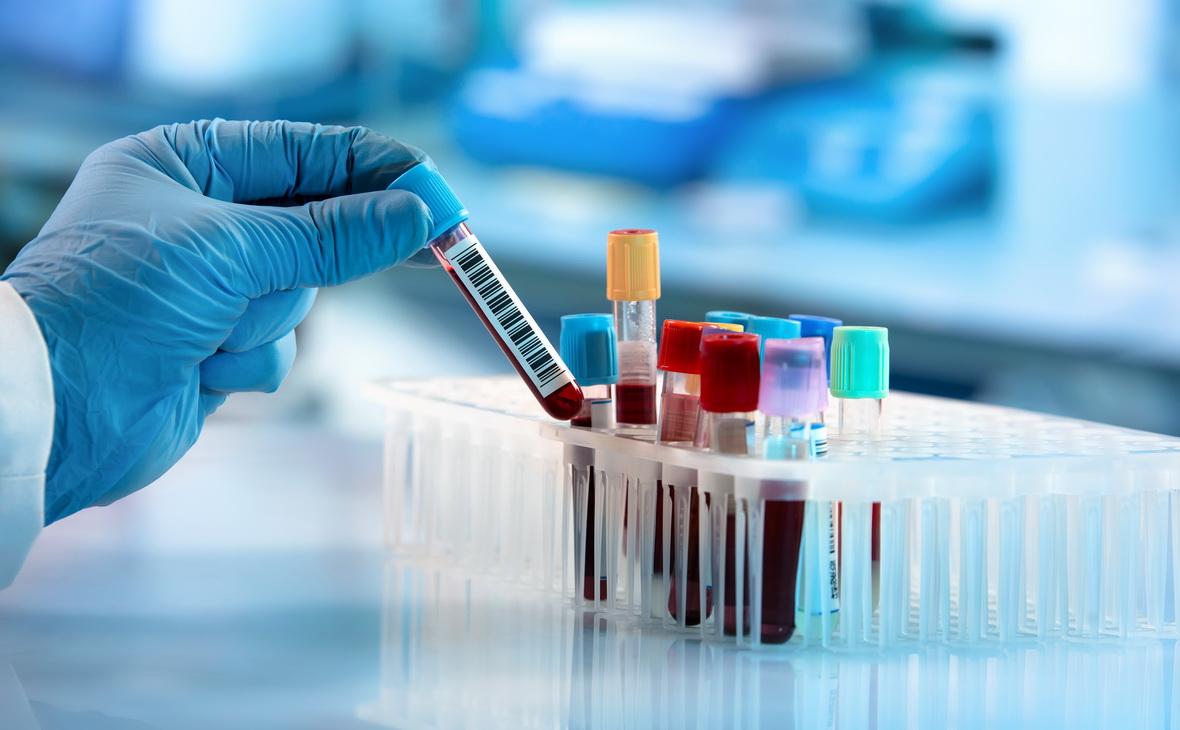
Preparing for an immigration medical examination can feel overwhelming, especially if it's your first time applying for a work visa, permanent residency, family sponsorship, or a long-term student visa. Among the various medical requirements, the Visa Blood Test Dubai often causes the most concern. Many applicants worry about the procedure, the results, and whether they are doing everything correctly before their appointment.
The good news is that a visa blood test is a routine medical screening carried out by trained healthcare professionals at authorized medical centers. It is designed to support immigration health requirements and protect public health—not to make the application process more difficult. With proper preparation and the right information, you can complete your appointment confidently and without unnecessary stress.
This guide explains how to prepare for a visa blood test, what to expect during the screening, and practical tips to make your immigration medical examination as smooth as possible.
Understanding Why the Visa Blood Test Is Required:
Before focusing on preparation, it helps to understand the purpose of the test.
The visa blood test is part of an immigration medical examination required by many countries for applicants seeking long-term entry. The laboratory screening helps physicians complete an accurate medical assessment while allowing immigration authorities to apply health regulations consistently.
Depending on the destination country and visa category, blood tests may be used to screen for specific communicable diseases or support additional medical evaluations when necessary.
Knowing that the procedure follows established medical guidelines can help reduce unnecessary anxiety before your appointment.
Start Preparing Several Days Before Your Appointment:
Many applicants wait until the last minute to organize their medical examination. Preparing a few days in advance makes the entire experience much easier.
Create a checklist that includes:
-
Passport
-
Visa application reference number
-
Medical examination request letter
-
Government-issued identification
-
Passport-sized photographs if required
-
Vaccination records
-
Previous medical reports
-
Prescription medication details
Keeping everything together prevents last-minute stress on the day of your appointment.
Confirm That Your Medical Center Is Approved:
One of the most important steps is choosing the correct healthcare provider.
Immigration medical examinations must usually be completed by designated panel physicians or authorized medical centers approved by the destination country's immigration authorities.
Using an unauthorized clinic may result in your medical report not being accepted, causing delays in your visa application.
Always verify the clinic's approval status before scheduling your appointment.
Learn Whether Fasting Is Required:
A common source of confusion involves fasting before the blood test.
In most cases, immigration blood tests do not require fasting. However, some medical centers may include additional laboratory investigations that require temporary dietary restrictions.
Instead of relying on advice from friends or online forums, carefully follow the instructions provided by your medical center.
If you are unsure, contact the clinic before your appointment.
Stay Hydrated Before the Blood Test:
Drinking enough water before your appointment is one of the easiest ways to improve your experience.
Proper hydration can:
-
Make veins easier to locate
-
Reduce discomfort during blood collection
-
Support smoother blood flow
-
Minimize the chance of feeling lightheaded afterward
Unless instructed otherwise, drink water throughout the morning before your appointment.
Get a Good Night's Sleep:
Lack of sleep often increases stress and anxiety.
A full night's rest helps you:
-
Feel more relaxed
-
Improve concentration
-
Maintain normal blood pressure
-
Reduce nervousness during the appointment
Try to avoid staying up late the night before your immigration medical examination.
Wear Comfortable Clothing:
Choosing the right clothing can make the appointment more convenient.
Wear a shirt with loose or short sleeves so healthcare professionals can easily access your arm for blood collection.
Comfortable clothing is also helpful because immigration medical examinations often include physical assessments such as blood pressure measurement and height and weight recording.
Arrive Early and Stay Relaxed:
Rushing to your appointment can increase anxiety before the examination even begins.
Plan to arrive at least 15 to 30 minutes early.
This gives you enough time to:
-
Complete registration
-
Review paperwork
-
Ask questions if needed
-
Relax before meeting the physician
Arriving early also reduces the risk of delays caused by unexpected traffic or transportation issues.
Be Honest During the Medical Interview:
Before collecting your blood sample, the physician usually reviews your medical history.
You may be asked about:
-
Previous illnesses
-
Surgeries
-
Allergies
-
Chronic medical conditions
-
Prescription medications
-
Vaccination history
-
Recent hospital admissions
Some applicants hesitate to discuss existing medical conditions because they worry about their visa application.
However, providing accurate information helps physicians interpret laboratory findings correctly and prepare a complete immigration medical report.
What Actually Happens During the Blood Test?
Fear often comes from not knowing what to expect.
Fortunately, the blood collection process is quick and straightforward.
A healthcare professional first cleans the skin using an antiseptic solution.
A tourniquet is placed around your upper arm to make the vein easier to identify.
A sterile needle is gently inserted into a vein, and a small blood sample is collected.
Once the sample is taken, the needle is removed, pressure is applied to the area, and a small bandage is placed over the puncture site.
The entire procedure usually takes less than five minutes.
Most applicants describe the sensation as a brief pinch rather than significant pain.
Practice Simple Stress-Management Techniques:
Feeling nervous before a medical procedure is completely normal.
Simple relaxation techniques can help you stay calm throughout the appointment.
Consider:
-
Taking slow, deep breaths
-
Focusing on positive thoughts
-
Listening carefully to the healthcare professional's instructions
-
Avoiding unnecessary online discussions immediately before the appointment
-
Remembering that thousands of applicants complete the same procedure every day
A calm mindset often makes the experience much easier.
Understand What the Blood Test May Screen For:
Although testing requirements vary by country, immigration blood tests commonly include screening for specific communicable diseases.
Depending on immigration regulations, laboratory investigations may involve:
-
Syphilis screening
-
HIV testing where required
-
Hepatitis screening for selected occupations
-
Additional blood tests when medically necessary
The laboratory only performs tests required by the destination country's immigration policies.
What Happens After Your Blood Sample Is Collected?
Many first-time applicants wonder what happens once they leave the clinic.
After collection, your blood sample is:
-
Carefully labeled
-
Sent to an accredited laboratory
-
Analyzed using standardized testing procedures
-
Reviewed by the examining physician
-
Included in your immigration medical report
Some countries use secure electronic systems that send medical reports directly to immigration authorities.
Others provide sealed reports according to official procedures.
If Additional Testing Is Requested, Stay Calm:
Receiving a request for further medical evaluation can be stressful.
However, additional testing is more common than many applicants realize.
It may be requested because:
-
Laboratory findings need confirmation
-
Previous medical records require clarification
-
Additional specialist opinions are recommended
-
Existing health conditions require updated documentation
Additional investigations do not automatically mean your visa application will be refused.
Responding promptly helps keep the immigration process moving forward.
Common Mistakes That Increase Stress:
Avoiding a few simple mistakes can make your experience much smoother.
Common errors include:
-
Waiting until the last minute to book the appointment
-
Forgetting important documents
-
Visiting an unauthorized medical center
-
Ignoring clinic preparation instructions
-
Arriving late
-
Not mentioning prescription medications
-
Searching unreliable online sources immediately before the appointment
Good preparation is one of the best ways to reduce anxiety.
Quick Preparation Checklist:
Before leaving for your appointment, make sure you have:
-
Valid passport
-
Medical request documents
-
Identification
-
Appointment confirmation
-
Prescription medication details
-
Vaccination records if requested
-
Comfortable clothing
-
Water bottle
-
Positive mindset
Completing this checklist helps you feel organized and confident.
Frequently Asked Questions:
Is the visa blood test painful?
Most applicants experience only mild discomfort lasting a few seconds during blood collection.
Should I eat before my appointment?
Most immigration blood tests do not require fasting unless your clinic specifically instructs otherwise.
How long does the appointment take?
Most immigration medical examinations are completed within 30 to 90 minutes, depending on the required tests.
Can medications affect laboratory results?
Yes. Always inform your physician about prescription medications, supplements, or ongoing treatments.
Will stress affect my blood test?
Feeling nervous is common and generally does not affect the specific laboratory screenings performed during an immigration blood test.
Final Thoughts:
Preparing for a visa blood Lab tests does not have to be stressful. Understanding the purpose of the screening, organizing your documents in advance, staying hydrated, following your clinic's instructions, and knowing what to expect during the appointment can make the entire experience much more comfortable. The procedure itself is quick, safe, and performed by qualified healthcare professionals who conduct immigration medical examinations every day. By approaching the process with accurate information instead of unnecessary worry, you can complete this important requirement confidently and keep your immigration application moving smoothly toward the next stage of your journey.

 English
 Arabic
 French
 Spanish
 Deutsch
 Turkish
 Dutch
Dutch
 Italiano
 Russian
 Romaian
 Portuguese (Brazil)
 Greek
Greek