


How Businesses Can Balance Travel Costs, Productivity and Comfort
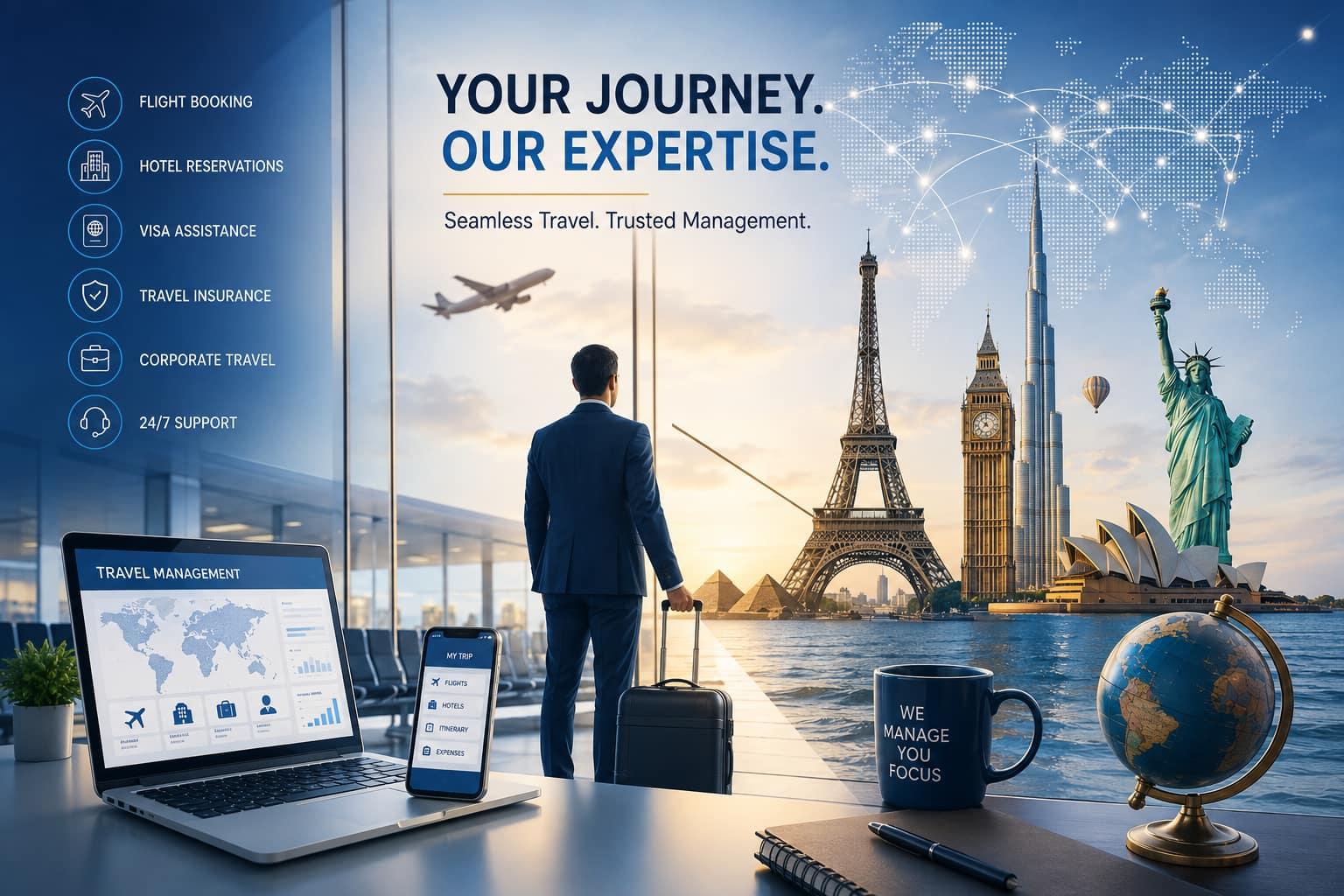
Business travel is an important part of modern organisations. From meeting clients and attending conferences to exploring new markets and managing international teams, employee travel can contribute directly to business growth. However, companies also need to manage travel budgets carefully while ensuring employees have a comfortable and productive experience.
The challenge is finding the right balance between travel costs, productivity and traveller comfort. Businesses that focus only on reducing expenses may create unnecessary inconvenience for employees, while companies that prioritise comfort without considering costs can see travel budgets increase rapidly.
A well-designed corporate travel strategy can help organisations achieve both objectives by combining smart policies, technology, negotiated rates and professional travel support.
Why Balancing Cost and Comfort Matters
Corporate travel is more than purchasing the cheapest available flight or hotel room. The true cost of a business trip can include airfare, accommodation, transportation, meals, lost working hours and the impact of travel fatigue on employee productivity.
For example, selecting a significantly cheaper flight with multiple long connections may reduce the ticket price but could result in lost working hours and reduced employee productivity.
Similarly, choosing premium accommodation for every trip may improve comfort but can put unnecessary pressure on the travel budget.
Businesses therefore need to evaluate the overall value of a trip, rather than looking at individual travel expenses in isolation.
Create a Clear Corporate Travel Policy
A clear travel policy is one of the most effective ways to manage corporate travel spending.
The policy should provide employees with practical guidelines covering areas such as:
-
Approved travel classes
-
Preferred airlines
-
Hotel categories
-
Booking procedures
-
Advance booking requirements
-
Ground transportation
-
Meal allowances
-
Approval processes
-
Cancellation and modification rules
-
International travel requirements
The policy should be flexible enough to accommodate different travel circumstances.
For example, a short domestic trip may have different requirements from a long-haul international journey. Senior executives, employees travelling for extended assignments and teams attending major events may also have different needs.
Use Technology to Control Travel Costs
Technology can make it easier for businesses to control spending without making the travel experience unnecessarily complicated.
A modern Corporate online booking tool for businesses allows employees to search and book travel options within defined company policies. Instead of relying entirely on manual booking processes, businesses can provide travellers with a centralised platform.
Such platforms can help companies:
-
Compare available travel options
-
Display policy-compliant choices
-
Manage approval workflows
-
Track bookings
-
Access traveller information
-
Monitor travel expenditure
-
Generate reports
-
Improve booking efficiency
For employees, this means less time spent arranging travel. For companies, it provides greater visibility and control.
Negotiate Better Corporate Travel Rates
Companies with frequent travel may be able to negotiate preferred rates with airlines, hotels and other travel suppliers.
Negotiated rates can be particularly valuable for organisations with regular travel to the same destinations.
Businesses should analyse their travel data to identify:
-
Frequently visited destinations
-
Most-used hotel locations
-
Common airline routes
-
High-volume travel periods
-
Major travel spending categories
This information can help travel managers identify opportunities for better commercial agreements.
Encourage Advance Booking
Last-minute travel can often be more expensive and provide fewer choices.
Encouraging employees to book business trips in advance can help organisations access better fares and availability.
However, travel policies should recognise that some business situations require short-notice travel. Sales opportunities, urgent client meetings, operational requirements and unexpected events may make advance booking impossible.
A good policy should therefore encourage advance booking while allowing reasonable exceptions.
Protect Employee Productivity
Cost reduction should not come at the expense of employee productivity.
When planning business travel, companies should consider factors such as:
-
Flight duration
-
Connection times
-
Arrival and departure schedules
-
Hotel location
-
Ground transportation
-
Meeting schedules
-
Rest requirements
For example, arriving late at night before an important client meeting may not be the most productive option, even if the flight is cheaper.
A slightly more convenient itinerary may allow an employee to arrive rested and prepared, potentially creating greater business value.
Choose Hotels Based on Location, Not Just Price
Hotel selection is another area where companies can balance cost and comfort.
The cheapest hotel is not necessarily the most economical option if it is located far away from the client's office, conference venue or business district.
Additional transportation costs and travel time can quickly offset the initial hotel savings.
Businesses should consider the complete cost of accommodation, including:
-
Room rate
-
Location
-
Transportation requirements
-
Internet availability
-
Business facilities
-
Breakfast and meal options
-
Cancellation flexibility
-
Safety and convenience
A centrally located hotel with a slightly higher room rate may sometimes provide better overall value.
Make Business Travel More Convenient
Employee experience has become an increasingly important part of corporate travel.
Frequent travellers may experience fatigue, delays and stress, particularly when travelling internationally.
Businesses can improve the travel experience by providing:
-
Simple booking procedures
-
Flexible travel options
-
Clear travel policies
-
Reliable accommodation
-
Ground transportation
-
Travel assistance
-
Emergency support
-
Digital access to itineraries
Working with providers offering Best corporate travel services can help organisations coordinate these elements while maintaining greater control over travel expenditure.
Support Meetings, Conferences and Corporate Events
Business travel often involves more than individual employee trips. Companies may need to arrange travel for large groups attending meetings, conferences, exhibitions and incentive programs.
These trips require additional coordination because multiple travellers may have different arrival dates, departure schedules and accommodation requirements.
Professional Best MICE travel services can help businesses coordinate group travel, accommodation, transfers and event-related logistics.
A dedicated MICE strategy can be particularly valuable when organisations are planning:
-
Corporate conferences
-
Product launches
-
Dealer meets
-
Incentive trips
-
Business meetings
-
Exhibitions
-
Team-building events
-
International corporate events
Centralising these arrangements can reduce administrative workload and create a more consistent experience for participants.
Consider Specialised Travel Requirements
Not all corporate travel follows the same model.
Industries such as shipping, energy, construction and offshore operations may require specialised travel arrangements. Crew members may need to travel between different countries according to operational schedules, sometimes with very short turnaround times.
In such cases, best Offshore Marine Services can help organisations coordinate crew movements, flights, accommodation, transfers and other travel requirements.
Specialised travel management can be particularly important when delays may affect business operations or crew rotations.
Use Travel Data to Make Better Decisions
Businesses cannot effectively manage travel costs without understanding where their money is going.
Travel reporting can help companies identify spending patterns and areas where improvements may be possible.
Useful indicators include:
-
Average airfare
-
Hotel spending
-
Number of business trips
-
Advance booking period
-
Policy compliance
-
Cancellation costs
-
Traveller preferences
-
Supplier usage
-
Destination-level spending
For example, if employees frequently book expensive last-minute flights, the company may need to improve its advance booking process.
If travellers regularly choose hotels outside preferred locations, the company may need to review whether its approved hotel options are practical.
Build a Traveller-Friendly Policy
A travel policy should guide employees rather than create unnecessary obstacles.
Companies should regularly review their policies based on employee feedback and travel data.
A practical policy should answer questions such as:
What can employees book?
Clearly define permitted flight classes, hotel categories and transportation options.
When is approval required?
Establish simple approval thresholds and processes.
What happens during emergencies?
Provide clear instructions for cancellations, delays and unexpected situations.
What are the exceptions?
Allow reasonable flexibility when business requirements justify alternative arrangements.
Partner with the Right Travel Management Provider
Managing corporate travel internally can become increasingly difficult as a company grows.
A professional travel partner can support businesses with booking technology, supplier management, travel policy implementation, reporting and traveller assistance.
When evaluating a Corporate travel management company, businesses should consider its technology capabilities, destination coverage, service support, reporting tools and experience with their industry.
The right partner should help the company achieve a balance between financial control and traveller satisfaction.
Conclusion
Managing corporate travel effectively requires more than finding the lowest available fare. Businesses need to consider the complete value of each journey, including cost, convenience, employee productivity and operational requirements.
Technology, clear policies, negotiated rates, data analysis and professional travel support can help organisations create a more efficient travel program.
The ultimate goal is to spend smarter without compromising the employee experience. When businesses achieve this balance, corporate travel can become a productive investment that supports relationships, opportunities and long-term growth.

 English
 Arabic
 French
 Spanish
 Portuguese
 Deutsch
 Turkish
 Dutch
Dutch
 Italiano
 Russian
 Romaian
 Greek
Greek