


Do Laminar Airflow System Setup Services include design and engineering support?
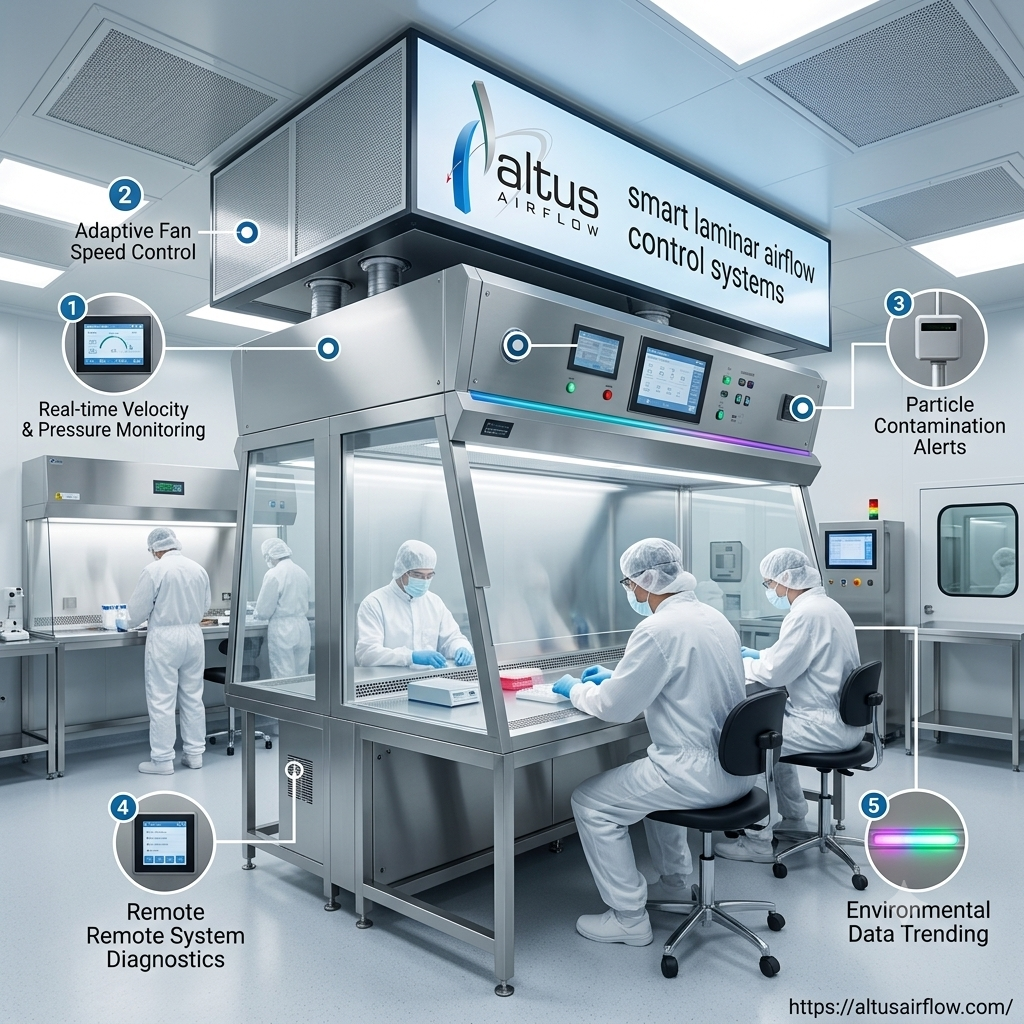
INTRODUCTION
Laminar Airflow System Setup Services can include comprehensive design and engineering support to help organizations plan, install, test, and maintain controlled airflow environments. Laminar airflow systems are used in a range of applications where controlled air movement and particulate management are important. Depending on the project, these applications may include healthcare facilities, operation theatres, laboratories, pharmaceutical environments, cleanrooms, biotechnology facilities, and other controlled workspaces.
A successful laminar airflow installation involves much more than supplying and mounting an airflow unit. The system must be engineered according to the room dimensions, intended application, equipment arrangement, occupancy, air-quality requirements, HVAC infrastructure, and operational workflow. Professional design and engineering support can help ensure that individual components work together as part of an integrated environmental-control strategy.
This blog explains the role of design and engineering in laminar airflow projects and the services that may be included from the initial assessment through final commissioning.
What Are Laminar Airflow System Setup Services?
Laminar airflow system setup refers to the planning, engineering, installation, and commissioning of systems designed to deliver controlled airflow in a specific area.
The scope of services may include:
- Initial consultation
- Site assessment
- Application analysis
- Airflow design
- System sizing
- HVAC coordination
- HEPA filtration planning
- Ceiling or workstation integration
- Ductwork design
- Electrical coordination
- Control-system integration
- Installation
- Airflow testing
- Balancing
- Commissioning
- Documentation
- Maintenance support
The exact scope depends on the application and the agreed project requirements.
Why Design Support Is Important
Every controlled environment has different requirements.
A healthcare operation theatre may require a different airflow arrangement from:
- A pharmaceutical cleanroom
- An IVF laboratory
- A microbiology laboratory
- A manufacturing cleanroom
- A research facility
Design support helps identify the specific environmental requirements before equipment is selected.
Important considerations may include:
- Room size
- Ceiling height
- Equipment location
- Number of occupants
- Existing HVAC systems
- Required airflow coverage
- Filtration requirements
- Maintenance access
Without proper planning, even high-quality equipment may not perform as intended within the overall room environment.
Initial Consultation and Requirement Analysis
The engineering process usually begins by understanding the intended use of the space.
The project team may discuss:
- Application type
- Required working area
- Room dimensions
- Existing infrastructure
- Equipment requirements
- Environmental objectives
- Operational workflow
- Future expansion plans
This information helps establish the basic project scope.
A detailed requirement analysis also helps prevent unnecessary changes during later project stages.
Site Assessment and Survey
A site survey provides the information needed for accurate engineering.
The assessment may include:
- Room measurements
- Ceiling height
- Structural conditions
- Existing HVAC capacity
- Duct routes
- Electrical availability
- Equipment positions
- Access limitations
The survey helps determine whether the proposed system can be integrated effectively into the available space.
Airflow Design and Engineering
Airflow design is one of the most important elements of a laminar airflow project.
The engineering team may determine:
- Airflow direction
- Supply-air arrangement
- Air velocity requirements
- Coverage area
- Return-air pathways
- Potential obstructions
- Equipment interaction
The airflow pattern should be designed according to the specific application and room configuration.
Horizontal and Vertical Airflow Planning
Different applications may require different airflow orientations.
Horizontal Laminar Airflow
In horizontal systems, filtered air moves in a horizontal direction across the working area.
This configuration may be suitable for selected laboratory and controlled-workspace applications.
Vertical Laminar Airflow
In vertical systems, filtered air moves downward from the ceiling or an upper supply section toward the working zone.
This arrangement may be used in certain healthcare and cleanroom environments.
The appropriate configuration depends on the application, equipment layout, and environmental requirements.
System Sizing and Coverage Calculation
Proper system sizing is essential for effective performance.
The engineering team may calculate or assess:
- Room dimensions
- Required coverage area
- Air volume
- Airflow velocity
- Equipment heat loads
- Occupancy
- Existing ventilation
A correctly sized system can support more consistent airflow across the intended working area.
Oversized or undersized systems may create operational or energy-efficiency challenges.
HEPA Filtration Engineering
HEPA filters may be incorporated into laminar airflow systems depending on the project requirements.
Engineering considerations can include:
- Filter efficiency requirements
- Filter size
- Filter quantity
- Housing configuration
- Sealing arrangements
- Pressure-drop considerations
- Maintenance access
The filter arrangement should be compatible with the air-handling system and the required airflow performance.
Multi-Stage Filtration Planning
In some projects, the system may use more than one stage of filtration.
Possible stages include:
- Pre-filters
- Fine filters
- HEPA filters
Pre-filtration can help protect downstream filters and may support more efficient system operation.
The final filtration arrangement should be selected according to the environmental requirements of the application.
HVAC System Integration
A laminar airflow system should not always be treated as an isolated installation.
Laminar Airflow System Setup Services can include coordination with the building's HVAC infrastructure.
This may involve:
- Air-handling units
- Ductwork
- Fresh-air systems
- Return-air pathways
- Cooling systems
- Humidity control
- Pressure management
Integrated planning helps ensure that the laminar airflow system works with the overall environmental-control strategy.
Ductwork Design
Ductwork carries conditioned and filtered air to the required locations.
Professional engineering may consider:
- Duct sizing
- Air velocity
- Pressure loss
- Routing
- Insulation
- Leakage control
- Access for maintenance
Proper duct design can support balanced airflow and reduce unnecessary energy losses.
Ceiling Integration and Structural Coordination
For ceiling-mounted systems, careful coordination is required.
The design process may consider:
- Filter-module locations
- Ceiling structure
- Lighting
- Electrical services
- Fire systems
- Access panels
- Other building services
Early coordination helps prevent installation conflicts.
Electrical Engineering Support
Laminar airflow systems require electrical infrastructure for components such as:
- Fans
- Control panels
- Monitoring systems
- Alarms
- Sensors
Engineering support may include:
- Power-load assessment
- Circuit planning
- Control-panel integration
- Emergency power coordination where required
- Earthing
Electrical systems should be coordinated with the equipment specifications.
Control and Automation Systems
Modern laminar airflow systems can include digital control technologies.
Possible features include:
- Variable-speed fan controls
- Digital displays
- Filter-status indicators
- Pressure monitoring
- Alarm systems
- Remote monitoring
- Building Management System integration
The level of automation should be selected according to the facility's operational requirements.
Temperature and Humidity Coordination
Laminar airflow controls air movement, but the overall room environment may also require temperature and humidity management.
The engineering design may coordinate the system with:
- Cooling infrastructure
- Heating systems where applicable
- Humidity-control equipment
- Environmental sensors
This integrated approach can help support more stable room conditions.
Pressure Differential Planning
Some controlled environments require planned pressure relationships between adjacent areas.
Engineering support may consider:
- Supply-air quantity
- Return-air quantity
- Exhaust systems
- Door operation
- Air leakage
- Pressure sensors
The pressure strategy should be based on the intended application and facility requirements.
Cleanroom Engineering Support
For cleanroom projects, laminar airflow may form one part of a larger environmental-control system.
The engineering scope may coordinate:
- Cleanroom zoning
- Air filtration
- Air distribution
- Pressure relationships
- Modular construction
- Hygienic finishes
- Monitoring systems
A complete engineering approach helps integrate the airflow system with the cleanroom environment.
Equipment Layout Coordination
The placement of equipment can influence airflow performance.
The design team may evaluate:
- Large equipment locations
- Workstations
- Storage units
- Mobile equipment
- Lighting
- Ceiling services
Potential obstructions should be considered before the airflow system is installed.
Installation Engineering and Execution Support
Engineering support continues during the installation stage.
The project team may coordinate:
- Material delivery
- Installation sequencing
- Duct installation
- Filter-module installation
- Electrical connections
- Control-system setup
- Equipment positioning
Project supervision can help ensure that the installation follows the approved engineering design.
Quality Control During Installation
Quality inspections can take place throughout the project.
Typical checks may include:
- Duct alignment
- Joint sealing
- Filter housing installation
- Electrical connections
- Control-panel operation
- Ceiling integration
- Equipment clearances
Early inspection can help identify issues before the commissioning stage.
Airflow Testing
Testing is an important part of completing a laminar airflow project.
Depending on the application, testing may include:
- Air velocity measurement
- Airflow volume measurement
- Airflow visualization
- Pressure checks
- Filter-condition assessment
The testing scope should be determined according to the project's specifications.
Air Balancing
Air balancing helps adjust the air quantities delivered to different parts of the system.
Proper balancing can support:
- More uniform airflow
- Better environmental consistency
- Planned pressure relationships
- Improved energy performance
Air balancing is generally performed as part of final system commissioning.
HEPA Filter Integrity Testing
Where required, installed HEPA filters may undergo integrity testing.
This can help evaluate:
- Filter installation
- Housing condition
- Gasket or seal performance
- Potential leakage
Testing should be carried out using appropriate procedures and qualified personnel.
System Commissioning
Commissioning confirms that the installed system operates according to the defined project requirements.
Commissioning activities may include:
- Equipment startup
- Airflow verification
- Control-system checks
- Sensor testing
- Alarm testing
- Pressure checks
- Functional verification
The final commissioning process should be documented.
Documentation and Engineering Drawings
Professional Laminar Airflow System Setup Services may include technical documentation.
Depending on the project, this may include:
- Layout drawings
- Airflow schematics
- Ductwork drawings
- Equipment schedules
- Electrical details
- Control-system information
- Test reports
- Commissioning records
- Maintenance guidelines
Proper documentation supports future maintenance and system modifications.
Maintenance Engineering Support
Long-term performance depends on regular maintenance.
Maintenance support may include:
- Filter inspection
- Filter replacement
- Fan inspection
- Airflow checks
- Sensor verification
- Control-system servicing
- Preventive maintenance
A planned maintenance strategy can help maintain reliable operation over time.
Custom Engineering for Different Applications
Different industries require different airflow solutions.
Healthcare Facilities
Healthcare projects may require coordination with:
- Operation theatre layouts
- HVAC systems
- Medical equipment
- Cleanroom requirements
Pharmaceutical Facilities
Projects may involve:
- Controlled manufacturing areas
- Cleanroom zoning
- Pressure management
- Filtration strategies
Laboratories
Laboratory applications may require:
- Workstation-specific airflow
- Equipment coordination
- Environmental monitoring
Biotechnology Facilities
Biotechnology projects may require customized environmental engineering based on laboratory processes and equipment.
The system should always be designed according to the intended application rather than using the same configuration for every project.
Benefits of Professional Design and Engineering Support
Professional engineering support offers several advantages.
Accurate System Selection
The system can be selected according to the actual application and space.
Better HVAC Coordination
Airflow systems can be integrated with the building's ventilation infrastructure.
Improved Installation Planning
Engineering drawings help guide installation activities.
Reduced Project Conflicts
Early coordination can identify clashes between different building services.
Easier Maintenance
Service access can be considered during the design stage.
Future Expansion
The system can be planned with possible future modifications in mind.
How to Choose a Service Provider
Organizations should evaluate providers based on:
- Experience with similar applications
- Engineering expertise
- HVAC knowledge
- Cleanroom experience where relevant
- Customization capability
- Testing and commissioning support
- Documentation practices
- Maintenance services
The project scope should clearly identify which design and engineering services are included.
Questions to Ask Before Starting the Project
Before selecting a provider, organizations may ask:
- Is a site survey included?
- Will the airflow system be customized?
- Is HVAC coordination part of the project?
- Are engineering drawings provided?
- What filtration system is proposed?
- Who performs installation?
- Is testing included?
- Will commissioning reports be provided?
- Is maintenance support available?
Clear answers can help define the project properly.
Common Mistakes to Avoid
Organizations should avoid:
- Selecting equipment before assessing the site
- Ignoring room layout
- Treating the airflow system as independent from HVAC
- Overlooking maintenance access
- Ignoring equipment obstructions
- Skipping air balancing
- Delaying testing until after handover
- Failing to document system details
Early engineering coordination can help prevent these problems.
Future Trends in Laminar Airflow Engineering
Modern projects increasingly incorporate:
- Smart airflow monitoring
- IoT-enabled sensors
- Digital control systems
- Predictive maintenance
- Energy-efficient EC fans
- Integrated building management
- Advanced filtration monitoring
These technologies can improve visibility and operational management when selected appropriately.
Conclusion
Laminar Airflow System Setup Services can include extensive design and engineering support, from initial consultation and site assessment to airflow planning, system sizing, HVAC integration, filtration engineering, ductwork design, electrical coordination, installation, testing, air balancing, commissioning, documentation, and maintenance planning. A properly engineered approach helps ensure that the airflow system is designed around the specific application rather than treated as a standalone piece of equipment. By coordinating airflow, filtration, HVAC infrastructure, controls, and room layout from the beginning, organizations can develop more efficient and reliable controlled environments. For professional laminar airflow design, engineering, installation, testing, and turnkey project support, Altus Airflow provides specialized solutions for a wide range of controlled-environment applications.
Frequently Asked Questions
1. Do Laminar Airflow System Setup Services include design support?
Yes. Laminar Airflow System Setup Services can include design support such as site assessment, airflow planning, system sizing, filtration selection, equipment layout coordination, and HVAC integration.
2. What engineering support is included in Laminar Airflow System Setup Services?
Laminar Airflow System Setup Services may include airflow engineering, ductwork design, HVAC coordination, electrical planning, control-system integration, pressure management, and cleanroom engineering support where required.
3. Do Laminar Airflow System Setup Services include site surveys?
Yes. Professional Laminar Airflow System Setup Services can include site surveys to assess room dimensions, ceiling space, existing HVAC infrastructure, electrical availability, equipment placement, and installation requirements.
4. Can Laminar Airflow System Setup Services customize airflow systems?
Yes. Laminar Airflow System Setup Services can customize airflow systems according to the application, coverage area, room dimensions, equipment arrangement, filtration requirements, and environmental objectives.
5. Do Laminar Airflow System Setup Services include HEPA filtration design?
Depending on the project requirements, Laminar Airflow System Setup Services can include HEPA filter selection, housing design, installation coordination, maintenance access, and appropriate testing.
Read Our Previous Blog------>What role do HVAC systems play in IVF Labs Design?

 English
 Arabic
 French
 Spanish
 Deutsch
 Turkish
 Dutch
Dutch
 Italiano
 Russian
 Romaian
 Portuguese (Brazil)
 Greek
Greek