


Signs Your Forklift Battery Needs to Be Replaced
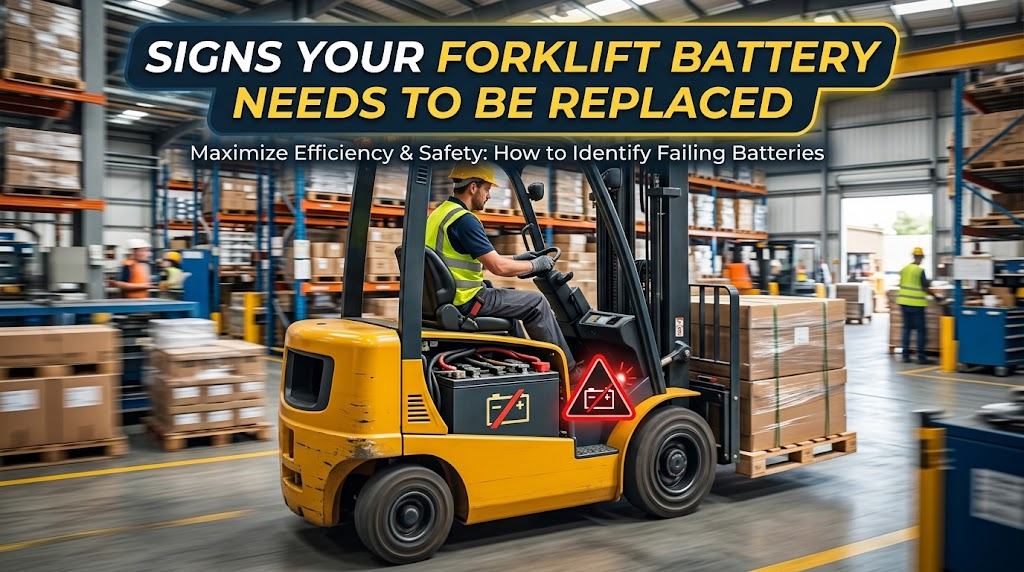
A forklift battery is one of the most important components of an electric forklift. It provides the power needed to lift, transport, and move materials efficiently throughout a warehouse or industrial facility. When the battery is healthy, the forklift should operate consistently throughout its expected work cycle. But as batteries age, their performance gradually declines. Knowing the warning signs early can help you avoid unexpected downtime, poor productivity, and potentially unsafe operating conditions.
If you regularly maintain equipment or are responsible for warehouse operations, understanding battery health is essential. Even businesses that rely on reliable suppliers such as Batteries plus rockwall texas can benefit from knowing when a forklift battery has reached the end of its useful life. A battery may sometimes appear to charge normally while still failing to deliver the power and runtime your forklift needs. Recognizing the difference between a simple maintenance issue and a battery that genuinely needs replacement can save time and money.
How Long Does a Forklift Battery Typically Last?
The lifespan of a forklift battery depends on several factors, including the battery type, operating conditions, charging habits, maintenance routine, and frequency of use. With proper care, a lead-acid forklift battery can often provide several years of service.
However, battery age alone does not always determine whether replacement is necessary. Two batteries of the same age can have very different performance levels. A heavily used battery that has experienced improper charging, excessive heat, or insufficient maintenance may deteriorate much faster than a battery that has been properly cared for.
Instead of replacing a battery simply because it is old, look for changes in performance and physical condition.
1. Shorter Operating Time
One of the clearest signs of a failing forklift battery is reduced runtime.
If your forklift once operated through an entire shift but now needs to be recharged much earlier, the battery may be losing its ability to hold a sufficient charge. As batteries age, their internal capacity decreases, meaning they can store less energy even when the charger indicates that the battery is fully charged.
A shorter operating cycle can create serious problems in busy facilities. Operators may need to stop work to recharge or swap batteries, resulting in lost productivity.
If reduced runtime continues despite proper charging and maintenance, battery replacement may be necessary.
2. The Battery Takes Longer to Charge
A forklift battery that consistently requires much more time to reach a full charge should be inspected.
Long charging times can occur for several reasons, including charger problems, incorrect charging procedures, poor connections, or battery deterioration. If the charger is functioning correctly and the battery still takes significantly longer than it used to, the battery may be approaching the end of its service life.
Keep records of normal charging times. Comparing current charging behavior with previous cycles can make gradual changes easier to identify.
3. The Forklift Loses Power During Operation
Does the forklift seem strong at the beginning of a shift but become noticeably weaker later?
This can be a sign that the battery is struggling to maintain adequate voltage under load. You may notice slower acceleration, reduced lifting performance, or difficulty maintaining normal operating speed.
A forklift battery does not only need to provide enough energy to start the equipment. It must consistently supply the power required while the forklift is moving and lifting loads. If performance drops significantly during normal operation, have the battery and electrical system inspected.
4. The Battery Frequently Requires Recharging
Frequent charging is another warning sign.
A healthy battery should provide an appropriate operating cycle based on its specifications and workload. If your team increasingly has to recharge the battery between normal work periods, its usable capacity may have declined.
Before replacing the battery, check whether the forklift is being used beyond its intended operating cycle. Excessive loads, unusually long shifts, or changes in operating conditions can also increase energy consumption.
If usage has remained consistent while battery runtime has steadily decreased, deterioration is a more likely explanation.
5. Visible Corrosion or Physical Damage
Physical condition can reveal a lot about battery health.
For lead-acid forklift batteries, inspect the battery regularly for corrosion around terminals, damaged cables, cracked components, leaking electrolyte, or other unusual conditions. Corrosion can interfere with electrical connections and may also indicate poor maintenance or exposure to harsh operating conditions.
Minor corrosion may sometimes be cleaned and corrected. However, serious physical damage, leakage, or structural problems should never be ignored.
If a battery is damaged, stop using it until a qualified technician determines whether it can safely be repaired or needs replacement.
6. Excessive Heat During Charging or Use
Some heat during charging can be normal, but excessive or unusual heat is a warning sign.
If a forklift battery becomes significantly hotter than usual during charging or operation, there may be an issue with the battery, charger, charging settings, or electrical system. Repeated overheating can accelerate battery degradation and shorten its lifespan.
Operators should never ignore a noticeable change in battery temperature. Allow the equipment to cool when appropriate and have the system inspected by a qualified professional.
7. The Battery Does Not Hold a Full Charge
A battery may appear to charge successfully but lose its charge unusually quickly afterward.
For example, the charger may indicate that charging is complete, yet the forklift's performance drops shortly after returning to service. This can indicate reduced battery capacity or damaged internal components.
This symptom is particularly important because it can be easy to mistake a battery problem for a forklift problem. Testing the battery and charging system can help identify the actual source.
8. Electrolyte Levels Keep Changing Abnormally
Traditional flooded lead-acid forklift batteries require regular electrolyte monitoring and watering according to the manufacturer's recommendations.
If electrolyte levels are consistently changing unusually or the battery requires more frequent attention than it previously did, investigate the cause. Overwatering, under-watering, excessive charging, and high operating temperatures can all affect battery condition.
Never add water based solely on guesswork. Follow the manufacturer's instructions and use the appropriate procedures for the specific battery.
9. The Battery Shows Signs of Swelling or Warping
A swollen, distorted, or visibly deformed battery is a serious warning sign.
Physical deformation can be associated with excessive heat, charging problems, internal damage, or other battery failures. A damaged battery should not simply be put back into service because it still appears to provide power.
If you notice swelling, warping, cracks, or other major physical changes, remove the battery from service and seek professional evaluation.
10. Maintenance Costs Are Increasing
Sometimes the biggest sign of an aging battery is not a single dramatic failure but a steady increase in maintenance requirements.
You may find yourself spending more time dealing with:
- Reduced operating time
- Charging problems
- Corrosion
- Performance issues
- Watering requirements
- Unexpected downtime
- Repeated inspections or repairs
When these problems become frequent, continuing to maintain an old battery may no longer be the most economical option.
How to Confirm That a Forklift Battery Needs Replacement
Not every battery problem means you need a new battery. Before making a replacement decision, consider having the complete system evaluated.
A professional inspection can include checking battery voltage, capacity, connections, electrolyte condition, physical damage, and charging performance. The forklift charger should also be inspected because a faulty charger can create symptoms that resemble battery failure.
Review the battery's maintenance history as well. If the battery has been properly maintained but continues to show multiple signs of deterioration, replacement is more likely to be the appropriate solution.
What Happens If You Keep Using a Failing Battery?
Continuing to operate with a severely deteriorated battery can affect more than productivity.
A weak battery can cause inconsistent forklift performance and unexpected interruptions during work. Frequent deep discharges and repeated charging may also place additional strain on equipment. More importantly, damaged batteries can create safety concerns, particularly when there are leaks, excessive heat, damaged cables, or other physical problems.
Replacing a battery before a complete failure can help businesses plan downtime rather than dealing with an unexpected interruption in the middle of a busy workday.
How to Extend the Life of a Forklift Battery
Replacement should not be the only focus. Proper care can help maximize the useful life of a forklift battery.
Follow the manufacturer's charging instructions and use the correct charger. Avoid unnecessary deep discharges when the battery system and manufacturer's guidance do not call for them. Keep battery connections clean and inspect cables and terminals regularly.
For flooded lead-acid batteries, maintain appropriate electrolyte levels using the manufacturer's recommended procedures. Keep the battery clean and address corrosion promptly.
Temperature also matters. Excessive heat can accelerate battery degradation, so proper ventilation and suitable charging conditions are important.
Finally, train forklift operators and maintenance personnel. Many battery problems can be prevented when employees understand correct charging, inspection, and handling procedures.
When Should You Replace a Forklift Battery?
There is no single rule that applies to every forklift battery. Replacement is generally worth considering when several warning signs appear together, especially reduced runtime, poor load performance, frequent charging, excessive heat, physical damage, or an inability to maintain a charge.
The decision should also consider the cost of continued maintenance compared with the cost of a replacement battery. If an aging battery is repeatedly disrupting operations, a new battery may provide better reliability and reduce unplanned downtime.
Conclusion
A forklift battery rarely fails without warning. Reduced runtime, longer charging periods, weaker performance, excessive heat, physical damage, and frequent maintenance problems can all indicate that the battery is approaching the end of its useful life. Paying attention to these signs allows businesses to address problems before they become major disruptions. Whether you are troubleshooting an existing battery or planning for a replacement, working with a knowledgeable battery provider such as Battery Rescue LLC can help you determine the right solution for your equipment and operating needs. Regular inspections and proper maintenance will also help you get the best possible performance from your forklift battery.

 English
 Arabic
 French
 Spanish
 Portuguese
 Deutsch
 Turkish
 Dutch
Dutch
 Italiano
 Russian
 Romaian
 Portuguese (Brazil)