


How to Style Cloth Place Mats for a Beautiful Everyday Table
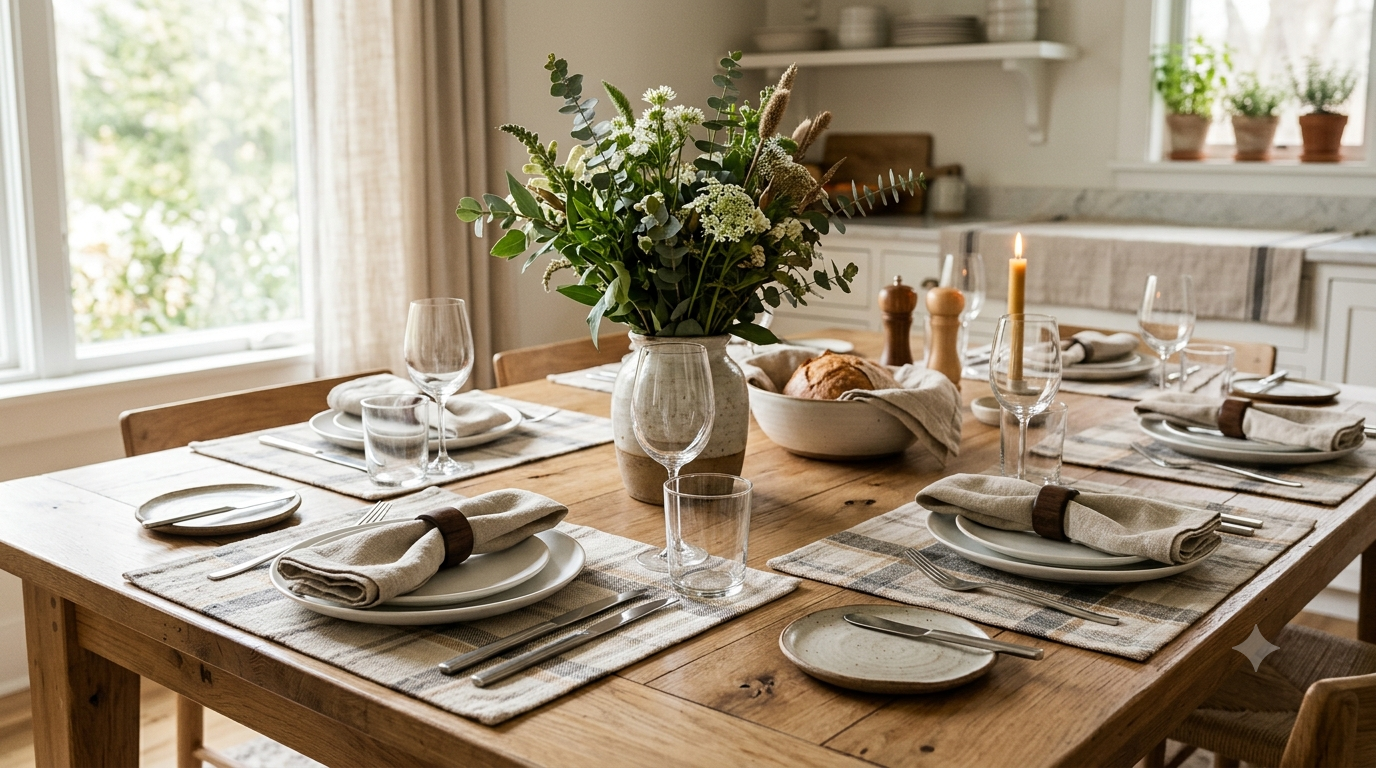
A thoughtfully set table does more than prepare a place for a meal. It creates a sense of occasion, brings color and texture into the room, and can make an ordinary breakfast or weeknight dinner feel a little more considered. Among the simplest ways to refresh a dining space are cloth place mats, which combine practical table protection with the visual appeal of well-chosen textiles.
Unlike disposable paper alternatives, fabric placemats can become part of a home's everyday décor. The right material, pattern, shape, and size can complement everything from a rustic farmhouse table to a streamlined contemporary dining room. Whether you're setting the table for family meals, hosting friends, or simply looking for an easy kitchen décor update, placemats offer plenty of possibilities.
Why Choose Cloth Place Mats for Everyday Dining?
Placemats have a straightforward job: they create a defined space for each diner while helping protect the tabletop from crumbs, minor spills, and the everyday movement of plates and utensils. Fabric versions add another dimension by introducing softness, pattern, and texture.
Reusable cloth place mats are especially versatile because they can be changed according to the season or occasion. Neutral shades can create a calm everyday setting, while checks, stripes, or richer colors can bring more personality to weekend meals and gatherings.
They also help visually organize the table. On a large dining table, individual mats create a natural rhythm from one place setting to the next. On a smaller table, they can establish a polished arrangement without requiring a full tablecloth.
The key is to choose placemats that work with your existing tableware rather than competing with it. If your plates have an elaborate pattern, a quieter textile may provide balance. If your dishes are simple and white, a textured or patterned mat can become a subtle focal point.
Choosing the Right Material
The fabric you choose affects the appearance, texture, and care requirements of your table setting. Cotton and linen are two especially useful materials for home textiles because they offer different visual qualities and can suit both casual and more refined arrangements.
Cotton for Everyday Versatility
Cotton is a familiar choice for table linens because it has a comfortable, approachable appearance and is available in a wide range of colors and patterns. Cotton linen placemats, which combine cotton and linen fibers, can offer a pleasing middle ground between the characteristics of the two textiles.
For a busy household, consider a material and construction that fit your cleaning routine. A placemat that looks beautiful but requires inconvenient care may spend more time stored away than on the table.
Linen for Natural Texture
Linen has a distinctive textile character, with a natural texture that works particularly well in relaxed, layered table settings. Linen textile placemats can lend an understated, sophisticated look to a dining table, particularly when paired with ceramic dinnerware, natural wood, glassware, or simple cotton napkins.
The slightly relaxed appearance of linen can also be part of its charm. Rather than aiming for an overly formal table, you can embrace a more effortless aesthetic by allowing natural textile texture to complement the rest of the setting.
When selecting any fabric placemat, check the manufacturer's care instructions before washing or ironing. Different constructions, finishes, and blends can have different requirements.
Patterns and Styles That Complement Your Table
Pattern is one of the easiest ways to change the personality of a table. Before choosing a design, consider the colors already present in the dining or kitchen area.
Plaid cloth placemats can work particularly well with traditional, farmhouse, cottage-inspired, and autumnal interiors. A subtle plaid in muted shades can provide visual interest without overwhelming the dinnerware.
Other useful pattern choices include:
- Stripes: A classic option that can make a table feel structured and tailored.
- Checks: A relaxed choice for casual breakfasts, lunches, and family dinners.
- Solid neutrals: Ideal when you want the dinnerware or centerpiece to take center stage.
- Textured solids: Add dimension while maintaining a restrained color palette.
- Seasonal patterns: Useful for holidays or occasional entertaining without requiring a complete table makeover.
A simple styling principle is to vary pattern intensity. If your placemats have a noticeable design, keep the napkins and dinnerware relatively simple. Conversely, understated placemats can provide a quiet foundation for patterned dishes or colorful glassware.
Choosing the Right Size for Your Table
Size matters more than it may initially appear. A placemat should provide enough room for the dinner plate, cutlery, and ideally some additional space without crowding neighboring place settings.
Before buying, measure your tabletop and consider how many people you normally seat. On a compact breakfast table, oversized mats may make the setting feel crowded. A small placemat can be a better fit when space is limited or when you're styling a narrow counter, bistro table, or breakfast nook.
For larger tables, proportion becomes equally important. A generously sized table can accommodate broader placemats, while a smaller surface often looks better with a more restrained design.
Don't forget the visual space between settings. Even when the mats technically fit, diners should have enough elbow room to eat comfortably.
Classic and Modern Table Styling Ideas
A classic table mat can serve as a dependable foundation for a timeless table setting. Pair a neutral textile with white or cream dinnerware, clear glassware, and simple metal cutlery for a look that works throughout the year.
For a more contemporary arrangement, try mixing textures instead of adding more decorative objects. A natural-fiber placemat, smooth ceramic plate, linen napkin, and glass tumbler can create contrast without making the table feel busy.
You can also use a simple three-layer approach:
- Start with the placemat to define each dining position.
- Add the dinnerware and position it centrally.
- Finish with a napkin and one or two carefully chosen accents, such as a small vase, candleholder, or seasonal centerpiece.
The goal isn't to fill every available space. Leaving some of the tabletop visible can make the arrangement feel more spacious and intentional.
Placemats for the Kitchen and Dining Area
Placemats aren't limited to formal dining rooms. Kitchen place mats can make breakfast counters, kitchen islands, breakfast nooks, and everyday kitchen tables feel more finished.
For example, a simple pair of placemats can define two breakfast spots on a kitchen island. At a family kitchen table, coordinating mats can create a consistent look without requiring a tablecloth for every meal.
If you're searching online, you may also encounter variations such as "placements mats" when looking for table-setting accessories. Regardless of terminology, the useful features to consider remain the same: fabric, dimensions, construction, appearance, and care requirements.
For readers exploring cotton and linen home textiles, All Cotton and Linen provides a useful place to browse table linens and related textile pieces while considering how individual products fit into an overall home décor scheme.
How to Choose Placemats for Your Home
Instead of choosing a placemat based only on appearance, consider how it will actually be used.
Material
Select cotton, linen, a cotton-linen blend, or another suitable textile according to the look and care routine you prefer.
Size
Measure your table and check the dimensions of the placemats before purchasing. Make sure there is sufficient room between neighboring settings.
Color
Look at your dining chairs, table finish, wall colors, and existing textiles. A complementary shade can make the room feel cohesive.
Pattern
Choose patterns according to the mood you want. Checks and stripes can feel casual, while understated solids can create a more refined backdrop.
Durability
Consider how frequently the placemats will be used and whether the fabric construction suits everyday dining.
Ease of Care
Read the manufacturer's washing and drying instructions. Practical care requirements should be part of the purchasing decision.
Table Style
Think about the furniture and dinnerware you already own. The best placemat doesn't necessarily stand out—it often makes everything around it look more harmonious.
Occasion
If you entertain frequently, consider having a few different styles: one for everyday meals and another for seasonal or special gatherings.
Styling Ideas for Different Occasions
Everyday family meals: Choose washable, easygoing fabrics in neutral or medium tones that work with your regular dinnerware.
Weekend brunch: Introduce lighter colors, stripes, or natural textures. Add fresh fruit, flowers, or simple glassware for an inviting atmosphere.
Dinner parties: Use more refined textiles and coordinate the placemats with napkins and the centerpiece. Keep decorative elements low enough that guests can comfortably see one another.
Holiday gatherings: Bring in seasonal color through textiles rather than replacing your entire tableware collection. A festive placemat can make a familiar setting feel special.
Outdoor dining: Look for practical textiles that suit the setting and can be cared for according to the manufacturer's instructions. Keep the centerpiece simple and secure in breezy conditions.
Caring for Fabric Placemats
Good care begins with following the instructions provided by the manufacturer. Washing temperatures, drying methods, ironing recommendations, and stain-treatment guidance can vary by fabric and construction.
For everyday use, it's helpful to address spills promptly rather than allowing them to sit. Shake off crumbs before washing, and avoid aggressive stain treatments unless the care instructions indicate that they are suitable.
If ironing is recommended, use the temperature appropriate for the fabric. Linen may have a naturally relaxed appearance, so perfection isn't always necessary; a lightly textured finish can contribute to an appealing casual table.
Store clean placemats flat or neatly rolled in a dry area. Keeping sets together can also make it easier to rotate different styles throughout the year.
Conclusion
The right cloth place mats can quietly transform a dining space. They protect and define the tabletop while adding the color, texture, and personality that make a setting feel complete. From versatile cotton blends and naturally textured linen textile placemats to patterned designs such as plaid cloth placemats, there is a style for almost every home.
The most successful choice is one that balances appearance with real-life practicality. Consider your table size, existing décor, preferred materials, cleaning routine, and the occasions for which you'll use the mats. A thoughtfully chosen set can work just as naturally for a quick weekday breakfast as it can for a carefully prepared dinner with guests.
For inspiration and quality-focused cotton and linen home textiles, All Cotton and Linen can be a helpful resource when building a cohesive collection of table linens for everyday dining and entertaining.

 Arabic
 French
 Spanish
 Portuguese
 Deutsch
 Turkish
 Dutch
Dutch
 Italiano
 Russian
 Romaian
 Portuguese (Brazil)
 Greek
Greek