Understanding Sleeve Gastrectomy Recovery
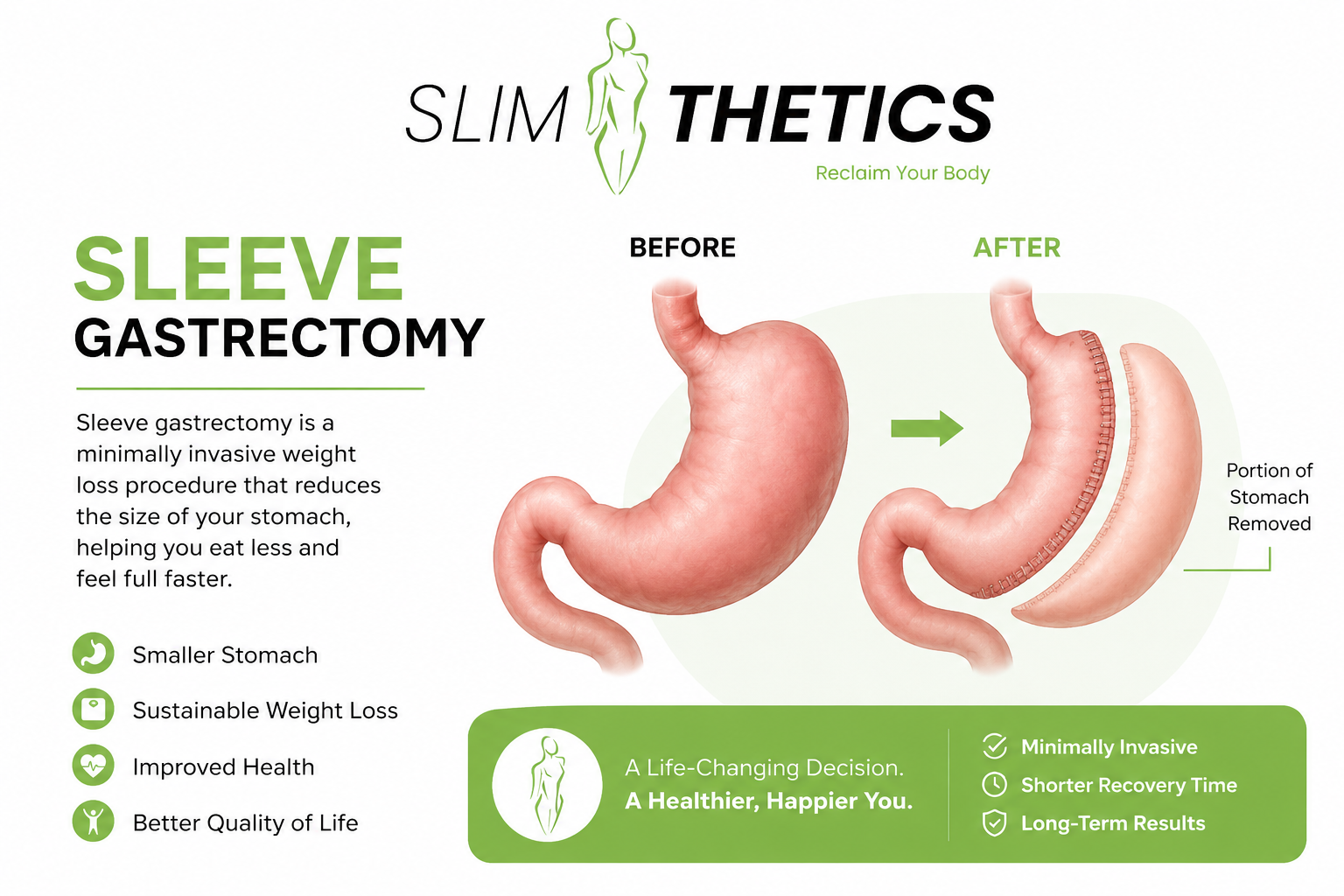
Sleeve gastrectomy is a commonly performed bariatric surgery designed to help people with obesity achieve significant and sustainable weight loss. During the procedure, a large portion of the stomach is removed, leaving a smaller stomach shaped like a sleeve. Because the stomach capacity is reduced, patients generally feel full after eating smaller portions, while changes in appetite related hormones may also support weight management.
For patients considering Sleeve gastrectomy in Islamabad, understanding the recovery process is just as important as learning about the surgery itself. Recovery is gradual and differs from person to person depending on overall health, surgical technique, adherence to dietary recommendations, and the presence of any medical conditions. Most patients can return to many normal activities within several weeks, although complete internal healing and adjustment to the new eating pattern can take longer.
What Determines Recovery Time
Several factors can influence how quickly a patient recovers after sleeve gastrectomy.
- Overall physical health before surgery
- Age and general fitness level
- Surgical technique used by the bariatric team
- Presence of diabetes or other medical conditions
- Ability to follow postoperative dietary instructions
- Activity level during recovery
- Adequate hydration and protein intake
- Whether any postoperative complications develop
How Long Does Sleeve Gastrectomy Recovery Take
Recovery usually occurs in stages rather than on a single fixed timeline. Patients often experience the most noticeable improvement during the first two weeks, while energy levels and eating habits continue to adjust over the following weeks.
First Few Days After Surgery
The first few days are focused on monitoring, pain control, hydration, movement, and identifying any early complications.
- Patients are usually encouraged to walk soon after surgery
- Small amounts of approved fluids may be introduced according to the surgical plan
- Mild abdominal discomfort and tiredness are common
- The medical team monitors hydration and other vital signs
- Patients receive instructions about medication, wound care, and diet
Many sleeve gastrectomy procedures are performed using minimally invasive laparoscopic techniques, which can support a shorter hospital stay and recovery compared with traditional open surgery.
First Week of Recovery
During the first week at home, patients generally need plenty of rest while gradually increasing light activity.
- Follow the prescribed liquid or postoperative diet
- Take small sips of approved fluids throughout the day
- Avoid lifting heavy objects
- Take short walks as recommended
- Keep surgical incisions clean and protected
- Take prescribed medications according to instructions
- Attend scheduled follow up appointments
Feeling tired during this stage is common because the body is recovering from surgery while adapting to a significantly reduced food intake.
Recovery During the Second Week
By the second week, many patients begin feeling more comfortable and can gradually increase everyday activities. However, recovery is still underway, so patients should avoid rushing back into strenuous exercise or demanding physical tasks.
What Patients May Notice
- Reduced abdominal discomfort
- Improved mobility
- Gradually increasing energy
- Continued adjustment to smaller meals
- Changes in bowel habits
- Early weight loss
- Greater confidence with the postoperative diet
Patients should continue following their bariatric team's instructions even if they begin to feel better. Feeling physically improved does not necessarily mean that internal healing is complete.
Recovery After Two to Four Weeks
The two to four week period is an important transition phase. Depending on their occupation and individual recovery, some patients may gradually return to work during this period.
Returning to Work
The appropriate time to return to work depends largely on the type of job.
- Office workers may return relatively sooner if they feel comfortable
- Jobs involving physical labor may require additional recovery time
- Long periods of sitting should be balanced with gentle movement
- Heavy lifting should be avoided until the surgeon provides clearance
- Patients should prioritize hydration and scheduled meals while working
A follow up appointment can help determine whether a patient is ready to increase normal activities.
Recovery After Four to Six Weeks
By approximately four to six weeks, many patients have progressed significantly in their recovery. Physical activity can usually be increased gradually when approved by the surgical team.
Exercise After Sleeve Gastrectomy
Exercise is an important part of long term weight management, but it should be introduced progressively.
- Begin with gentle walking
- Gradually increase walking duration
- Follow medical guidance before adding resistance training
- Avoid strenuous exercise too early
- Pay attention to unusual pain, dizziness, or excessive fatigue
The goal is to build a sustainable activity routine rather than attempting intense exercise immediately after surgery.
Understanding the Sleeve Gastrectomy Diet During Recovery
Diet progression is one of the most important aspects of recovery. Patients typically move through different dietary stages as their stomach heals.
Stage One: Clear and Approved Fluids
Immediately after surgery, patients may be placed on a carefully controlled fluid plan.
- Water
- Approved clear liquids
- Specific nutritional fluids recommended by the medical team
Patients should take small amounts frequently rather than drinking large quantities at once.
Stage Two: Full Liquids
Once the medical team determines that the patient is ready, the diet may progress to thicker liquids and nutritional beverages.
- Protein-rich liquids
- Low-sugar options
- Approved dairy or non-dairy nutritional drinks
- Other foods specifically recommended by the bariatric team
Stage Three: Soft Foods
Soft foods are gradually introduced as healing progresses.
- Soft eggs
- Yogurt
- Well-cooked vegetables
- Soft protein sources
- Other foods recommended according to individual tolerance
Stage Four: Regular Healthy Foods
Eventually, patients can begin eating a wider range of healthy foods. Portion sizes remain much smaller than before surgery.
- Prioritize protein
- Eat slowly
- Chew food thoroughly
- Avoid overeating
- Limit high-sugar foods
- Maintain adequate hydration
The exact timeline for dietary progression varies, so patients should follow their surgeon or dietitian rather than adopting a generic diet schedule from the internet.
What Does Normal Recovery Feel Like
Recovery can involve several temporary changes as the body adapts to surgery and reduced food intake.
Common Experiences
Some patients may experience:
- Fatigue
- Mild abdominal discomfort
- Changes in appetite
- Feeling full quickly
- Temporary digestive changes
- Changes in bowel movements
- Difficulty adjusting to smaller portions
These experiences can improve as recovery progresses. However, symptoms that are severe, worsening, or unexpected should be discussed with the medical team.
Warning Signs During Sleeve Gastrectomy Recovery
Although complications are not expected in most patients, it is important to recognize symptoms that require prompt medical assessment.
Contact Your Medical Team If You Experience
- Persistent or severe abdominal pain
- Repeated vomiting
- Difficulty keeping fluids down
- Signs of dehydration
- Fever
- Increasing redness or drainage around an incision
- Shortness of breath
- Chest pain
- Severe weakness or dizziness
- Any sudden or concerning change in your condition
Patients should receive individualized emergency instructions from their surgical team before leaving the hospital.
How to Support a Smooth Recovery
Recovery is not only about waiting for the body to heal. Daily habits can also support a safer and more comfortable transition.
Focus on Hydration
Adequate hydration is especially important after bariatric surgery.
- Sip fluids regularly throughout the day
- Avoid drinking too quickly
- Follow the recommended fluid intake from your healthcare team
- Separate fluids from meals according to your postoperative instructions
Prioritize Protein
Protein helps support tissue repair and maintaining lean muscle during weight loss.
- Follow your recommended protein target
- Use approved protein-rich foods or supplements when advised
- Include protein before lower-protein foods when your diet progresses
- Discuss difficulty meeting protein requirements with your dietitian
Stay Physically Active
Gentle movement can support recovery and reduce prolonged inactivity.
- Walk regularly
- Increase activity gradually
- Avoid heavy lifting until cleared
- Follow your surgeon's exercise recommendations
When Can You Resume Normal Activities
There is no single recovery schedule that applies to every patient. Many people can gradually resume routine daily activities within a few weeks, while physically demanding activities may require more time.
Activity Timeline Can Depend On
- Type of work
- Individual healing
- Surgical approach
- Existing health conditions
- Pain and energy levels
- Medical clearance
Rather than using a specific number of days as a target, patients should progress according to their surgeon's instructions.
Long Term Recovery After Sleeve Gastrectomy
Physical recovery from surgery is only one part of the overall journey. Patients also need time to adapt psychologically and behaviorally to their new eating patterns and lifestyle.
Long Term Lifestyle Changes
Successful weight management may involve:
- Healthy portion control
- Regular physical activity
- Adequate protein intake
- Appropriate vitamin and mineral supplementation
- Regular medical follow ups
- Healthy sleep habits
- Long term nutritional guidance
The purpose of sleeve gastrectomy is not simply to reduce stomach size. It is generally part of a broader weight management approach that combines surgery with sustainable lifestyle changes.
Sleeve Gastrectomy Recovery in Islamabad
Patients researching sleeve gastrectomy in Islamabad should consider the complete treatment journey rather than focusing only on the operation itself. A comprehensive bariatric program should include appropriate preoperative assessment, surgical care, dietary guidance, postoperative monitoring, and long term follow up.
Questions to Ask Before Surgery
Before choosing a bariatric program, patients can ask:
- What surgical technique will be used
- What should I expect during the first week
- When can I return to work
- What diet will I follow after surgery
- When can I exercise
- What follow up appointments are required
- Who will guide my nutrition after surgery
- What symptoms require urgent medical attention
Having clear answers before surgery can make the recovery process easier to understand and plan for.
Final Thoughts on Sleeve Gastrectomy Recovery
Recovery from sleeve gastrectomy is a gradual process. While many patients begin returning to everyday activities within a few weeks, the body continues adapting for longer. Following dietary instructions, maintaining hydration, gradually increasing activity, attending follow up appointments, and communicating any concerning symptoms with the medical team are important parts of recovery.
For individuals exploring sleeve gastrectomy in Islamabad, choosing an experienced bariatric team with structured postoperative support can help make the treatment journey more organized. At Slimthetics Clinic, patients can receive a personalized approach to bariatric care that focuses not only on the surgical procedure but also on preparation, recovery, nutrition, follow up, and long term weight management. A carefully planned recovery pathway can help patients understand what to expect at every stage of their weight loss journey.




 Arabic
 French
 Spanish
 Portuguese
 Deutsch
 Turkish
 Dutch
Dutch
 Italiano
 Russian
 Romaian
 Portuguese (Brazil)
 Greek
Greek