


How Can Teeth Scaling Support Better Oral Health?
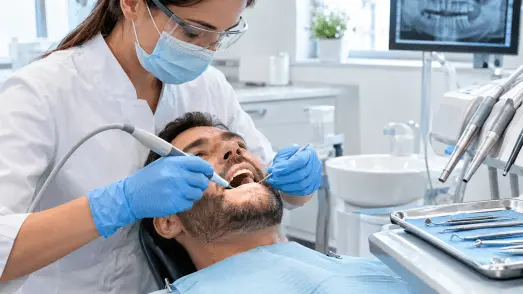
Good oral hygiene starts with daily brushing and cleaning between the teeth, but some deposits can still build up in areas that are difficult to reach. Plaque is a soft bacterial film that forms on teeth, and when it is not adequately removed, it can harden into tartar, also called dental calculus. Unlike plaque, hardened tartar generally cannot be removed effectively with a toothbrush at home. Teeth scaling is a professional dental procedure used to remove these deposits and support good oral hygiene.
What Is Teeth Scaling?
Teeth scaling is a professional cleaning procedure in which a dentist or dental hygienist removes plaque, tartar, and other deposits from tooth surfaces. Special hand instruments or powered ultrasonic instruments may be used depending on the amount and location of buildup.
Scaling commonly focuses on deposits around the gumline and other areas that are difficult to clean thoroughly with routine brushing and flossing. After the deposits are removed, the teeth may be polished to remove some surface stains and leave the tooth surfaces smoother.
Teeth scaling is different from teeth whitening. Scaling removes accumulated deposits, while whitening is specifically intended to lighten the colour of teeth.
Why Does Tartar Develop?
Plaque develops continuously as bacteria in the mouth interact with food debris and saliva. Brushing twice daily and cleaning between teeth can help control plaque.
If plaque remains on the teeth, minerals in saliva can cause it to harden into tartar. Tartar can develop along the gumline and between teeth, where it may be difficult to remove with ordinary home-care methods.
Several factors can affect how quickly plaque and tartar accumulate, including oral hygiene habits, tooth position, diet, saliva characteristics, and individual dental health.
Why Is Professional Scaling Important?
Once tartar has hardened, trying to scrape it off at home can damage the teeth or gums. Professional dental instruments are designed to remove deposits in a controlled manner.
Professional scaling can:
· Remove hardened tartar
· Remove plaque from difficult-to-clean areas
· Clean deposits around the gumline
· Support daily oral hygiene
· Help maintain healthier gums
· Reduce buildup that can contribute to unpleasant breath
· Allow dental professionals to examine the teeth and gums for other concerns
Scaling is an important component of preventive dental care, but it does not replace daily brushing, interdental cleaning, or regular dental examinations.
What Happens During a Teeth Scaling Appointment?
The procedure can vary according to the patient's oral condition, but a routine appointment commonly involves several steps.
1. Examination
The dental professional examines the teeth and gums and identifies areas with plaque, tartar, staining, or signs of gum inflammation.
2. Scaling
The professional uses appropriate instruments to remove hardened deposits from the teeth. Hand scalers may be used for specific areas, while ultrasonic instruments can use vibration and water to help remove deposits.
3. Cleaning Between Teeth
Depending on the appointment, the dental professional may clean between teeth and other areas where plaque tends to collect.
4. Polishing
Polishing may be performed after scaling. It can remove some superficial stains and smooth the tooth surfaces.
5. Oral Hygiene Advice
The dentist or hygienist may discuss brushing, flossing, interdental cleaning, and the appropriate timing of future professional cleanings.
Does Teeth Scaling Damage Teeth?
When performed appropriately by a trained dental professional, scaling is intended to remove deposits from the teeth while preserving the underlying tooth structure.
Patients sometimes notice that their teeth feel different after a large amount of tartar has been removed. Teeth can feel smoother, and spaces that were previously occupied by deposits may become noticeable.
It is important not to attempt professional-style scaling at home with sharp objects. Improper scraping can injure the gums or damage tooth surfaces.
Is Teeth Scaling Painful?
Routine scaling is generally well tolerated, although some patients may experience sensitivity or mild discomfort.
Sensitivity can be more noticeable when there is substantial tartar buildup, inflamed gums, exposed tooth roots, or existing dental sensitivity. If you are uncomfortable during treatment, inform your dental professional so the procedure can be adjusted where appropriate.
Some temporary sensitivity after cleaning can also occur. Your dentist can provide personalized advice if symptoms persist.
What Is the Difference Between Scaling and Deep Cleaning?
The terms "scaling" and "deep cleaning" are sometimes used interchangeably, but they do not always refer to the same treatment.
Routine professional cleaning may involve scaling deposits from visible tooth surfaces and around the gumline.
When gum disease has caused deeper periodontal pockets, bacteria and deposits can develop below the gumline. In such cases, a dentist may recommend scaling and root planing, commonly called deep cleaning. This treatment cleans below the gumline and smooths affected root surfaces.
The need for scaling and root planing should be determined through a professional periodontal examination rather than simply choosing a treatment based on symptoms.
What Are the Benefits of Teeth Scaling?
Removal of Tartar
The most direct benefit of scaling is the removal of hardened deposits that cannot normally be brushed away.
Cleaner Gumline
Removing deposits around the gumline can make it easier to maintain good oral hygiene in these areas.
Support for Gum Health
Plaque and tartar accumulation can be associated with gum inflammation. Professional removal of these deposits is one component of maintaining periodontal health.
Fresher Breath
Bacterial buildup can contribute to bad breath. Removing plaque and tartar may improve breath when oral buildup is a contributing factor, although persistent bad breath can have other causes.
Smoother Tooth Surfaces
After scaling and polishing, teeth often feel smoother because accumulated deposits have been removed.
Can Teeth Scaling Make Teeth Whiter?
Teeth scaling should not be considered a whitening procedure.
Scaling can remove tartar and certain external stains, which may make teeth appear cleaner. However, it does not normally change the natural colour of the tooth.
If a person wants to lighten the natural colour of their teeth, professional whitening may be a separate option. A dentist can determine whether whitening is appropriate.
What Should You Do After Teeth Scaling?
Most people can return to their normal routine after a routine scaling appointment. However, your dental professional may provide specific instructions depending on your oral condition.
Helpful general practices include:
· Continue brushing twice daily.
· Clean between your teeth every day.
· Use a soft-bristled toothbrush.
· Avoid aggressive brushing.
· Drink water regularly.
· Follow any specific instructions provided by your dentist.
· Attend recommended follow-up appointments.
If your teeth are temporarily sensitive, avoiding very hot or cold foods and drinks may make you more comfortable until the sensitivity settles.
How Often Should Teeth Scaling Be Done?
There is no single schedule that applies to everyone.
The appropriate frequency depends on factors such as tartar buildup, gum health, oral hygiene, dental history, and individual risk factors. Some patients may benefit from routine professional cleanings at regular intervals, while others may require more frequent periodontal care.
Rather than following a fixed schedule without an examination, ask your dentist how often professional cleaning is appropriate for your oral health.
How Much Does Teeth Scaling Cost?
Teeth scaling costs vary by dental practice and location. The price may depend on:
· Amount of tartar buildup
· Number of areas requiring treatment
· Type of cleaning required
· Dentist or hygienist fees
· Whether an examination or X-rays are needed
· Whether additional periodontal treatment is necessary
Routine scaling generally has a different cost from scaling and root planing. The most accurate way to determine the price is to ask a dental clinic after an examination.
Who May Need Professional Teeth Scaling?
Professional scaling may be recommended for people who have visible tartar, recurring plaque buildup, difficulty cleaning certain areas, or signs of gum inflammation.
It can also be part of routine preventive dental care. Even people who brush and floss regularly can develop tartar because certain areas of the mouth are difficult to clean completely.
A dental professional can determine whether scaling is necessary based on an examination rather than simply on the appearance of the teeth.
Can Children Have Teeth Scaling?
Children can also develop plaque and tartar, but dental cleaning should be based on their individual needs and dental development.
Parents should follow the recommendations of their child's dentist. Children should not attempt to remove tartar themselves with sharp instruments or household tools.
What Are Signs You May Need a Dental Examination?
Tartar is not always easy to identify at home. You should consider a dental examination if you notice:
· Bleeding gums during brushing or flossing
· Swollen or tender gums
· Persistent bad breath
· Visible hardened deposits on teeth
· Receding gums
· Tooth sensitivity
· Loose teeth
· Persistent dental pain
These symptoms can have different causes, so a professional examination is important for determining the appropriate treatment.
How Can You Prevent Excessive Tartar Buildup?
Professional scaling removes existing deposits, but daily oral care helps control new plaque formation.
Brush your teeth twice a day using fluoride toothpaste and clean between your teeth daily with floss or another suitable interdental cleaning method. Limit frequent sugary foods and drinks, avoid tobacco, and maintain regular dental examinations.
Good home care does not guarantee that tartar will never develop, but it can help reduce plaque accumulation and support overall oral health.
Final Thoughts
Teeth scaling is a professional dental cleaning procedure primarily used to remove plaque and hardened tartar from tooth surfaces and around the gumline. It can help maintain cleaner teeth and support gum health, but it should be viewed as part of a broader oral-care routine rather than a replacement for daily brushing and interdental cleaning.
If you have significant tartar, bleeding gums, persistent bad breath, pain, or other changes in your mouth, a qualified dental professional can examine the underlying cause and recommend the appropriate type of cleaning or treatment.

 English
 Arabic
 French
 Spanish
 Portuguese
 Turkish
 Dutch
Dutch
 Italiano
 Russian
 Romaian
 Portuguese (Brazil)
 Greek
Greek