


Is It Worth Reshafting a Driver? Cost, Benefits & When to Do It
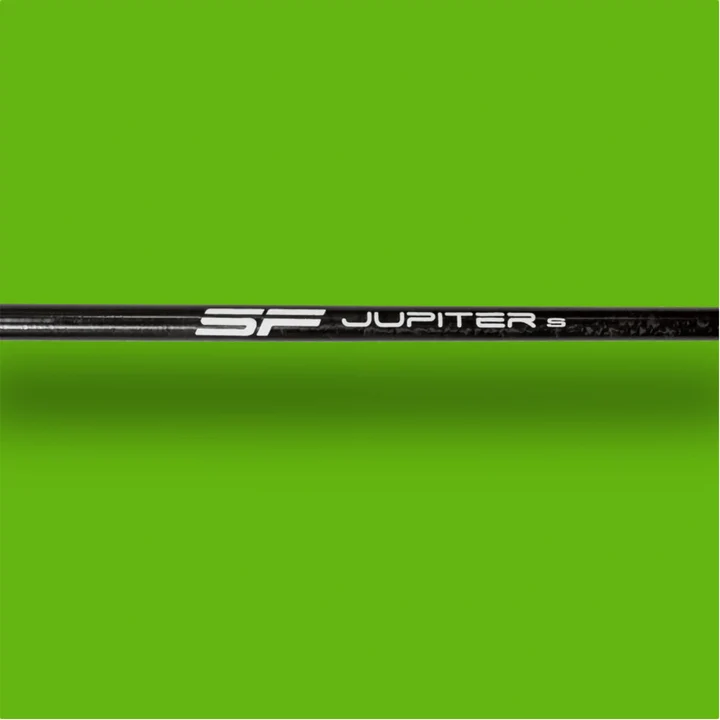
Is it worth reshafting a driver? Yes, but only when the new shaft solves a real problem.
Reshafting a driver can be worth it if your swing speed has changed, your current shaft is damaged, your ball flight is too high or inconsistent, or the shaft’s flex and weight no longer match your swing.
On the other hand, if your current driver shaft already fits you well, replacing it simply because a newer or more expensive shaft is available may produce only a small improvement.
Before spending money, it helps to understand what a new driver shaft can actually change, how much reshafting costs, and when your problem is more likely to come from your swing than your equipment.
Is It Worth Reshafting a Driver?
For many golfers, reshafting a driver is worth it when the existing shaft no longer matches their swing characteristics.
A driver shaft influences how the club feels and responds throughout the swing. Its flex, weight, torque, and bend profile can all affect how consistently a golfer delivers the clubhead.
You should consider reshafting your driver if:
-
Your swing speed has noticeably increased or decreased.
-
Your current shaft feels too stiff or too soft.
-
Your shots launch unusually high and appear to balloon.
-
Your dispersion has become inconsistent.
-
Your shaft is cracked, splintered, loose, or otherwise damaged.
-
You purchased a driver without checking whether the shaft specifications suited your swing.
-
Your current shaft feels difficult to load or control.
However, a new shaft should not be treated as an automatic solution for every driving problem. Grip, setup, swing path, strike location, attack angle, and driver loft can also have a major influence on your results.
How Much Should It Cost to Reshaft a Driver?
The cost to reshaft a driver depends heavily on the shaft you choose and whether professional installation is required.
A budget-to-midrange replacement can commonly put the total cost around $100 to $150 once you account for the shaft, installation, and a new grip.
Premium aftermarket and tour-level shafts can cost $300 or more, with some options reaching $500+ before additional installation expenses.
Your total cost may include:
-
Replacement driver shaft
-
Adapter or tip, if required
-
New grip
-
Installation labor
-
Shaft trimming or preparation
-
Swing-weight adjustments, when necessary
Before buying, compare the cost of reshafting with the price and condition of your current driver.
For a more detailed breakdown, read How Much Does a Golf Driver Shaft Cost in 2026?.
Do Driver Shafts Really Make a Difference?
Yes, driver shafts can make a difference, particularly when your existing shaft is poorly matched to your swing.
The important point is that a shaft does not create distance by itself. Instead, the right shaft can help you deliver the club more consistently.
A better shaft fit may help improve:
-
Clubface consistency at impact
-
Launch characteristics
-
Spin characteristics
-
Shot dispersion
-
Strike consistency
-
Feel and confidence
-
Your ability to control the driver at your normal swing speed
For example, a golfer using a shaft that is too stiff may struggle to load it comfortably. Another golfer using a shaft that feels too soft may have difficulty controlling the clubhead consistently.
Shaft weight matters too. A lighter shaft may help some golfers generate more clubhead speed, while other golfers perform better with additional weight because it gives them more control and awareness of the club throughout the swing.
That is why choosing a driver shaft should be based on your swing, rather than simply buying the stiffest, lightest, or most expensive option available.
Signs Your Driver Shaft May Need to Be Replaced
1. Your Swing Speed Has Changed
Swing speed does not necessarily stay the same throughout your golfing life.
Changes in fitness, age, technique, injury history, or swing mechanics can alter how quickly and aggressively you load the shaft.
If your swing speed has changed significantly but your shaft has stayed the same, it may be time to reassess your flex and weight.
2. Your Ball Flight Is Ballooning
A drive that launches and then climbs excessively can lose useful distance.
However, ballooning does not automatically mean the shaft is responsible. Excessive spin can also result from loft, strike location, attack angle, or other delivery conditions.
If ballooning has become a consistent pattern, checking your shaft as part of a broader fitting is worthwhile.
3. Your Dispersion Has Become Inconsistent
One of the biggest reasons to consider a new shaft isn't necessarily distance.
It's control.
If your driver feels different from swing to swing and your misses are becoming difficult to predict, your shaft specifications may no longer complement your delivery.
4. Your Current Shaft Is Damaged
A visibly damaged golf shaft should be inspected rather than ignored.
Look for:
-
Cracks
-
Splintering
-
Damage around the tip
-
Loose components
-
Problems with the adapter
-
Failed epoxy bonds
Physical damage is one of the clearest reasons to replace a driver shaft.
Can Reshafting a Driver Add Distance?
It can, but additional distance is not guaranteed.
If your existing shaft is significantly mismatched, changing the shaft could help you produce a more efficient combination of speed, launch, spin, and strike quality.
For some golfers, that may result in additional distance.
For others, the biggest improvement may be tighter dispersion or more consistent contact rather than dramatically longer drives.
The goal should therefore be to find a shaft that helps you produce repeatable performance, not simply chase the shaft claiming the most distance.
How Far Should a 40-Year-Old Hit a Driver?
There isn't one distance every 40-year-old golfer should hit a driver.
Age-based driving-distance averages can provide context, but they should not become personal performance targets. Driving distance varies substantially depending on swing speed, skill level, strike quality, physical condition, equipment, launch conditions, and playing environment.
If you're in your 40s and have noticed a meaningful loss of distance, don't automatically assume age is the reason.
Check factors such as:
-
Current swing speed
-
Strike location
-
Driver loft
-
Launch angle
-
Spin
-
Shaft flex
-
Shaft weight
-
Overall driver fit
If you have been playing the same equipment for years while your swing has changed, a fitting can help determine whether the shaft is still appropriate.
You can also read How Often Should You Actually Get Refit? for additional guidance on when changes in your swing justify checking your equipment again.
When Is Reshafting a Driver Not Worth It?
Reshafting is probably unnecessary when your existing shaft already gives you the launch, feel, consistency, and control you need.
You may want to hold off if:
-
Your current shaft has already been professionally fitted.
-
Your swing speed has remained relatively stable.
-
Your ball flight and dispersion are consistent.
-
Your main problem is clearly technique-related.
-
You're expecting a shaft alone to eliminate a slice or hook.
-
You're replacing the shaft solely because a newer model has been released.
A new shaft cannot automatically correct problems caused by grip, alignment, setup, swing path, or inconsistent contact.
In those situations, spending the money on a lesson or fitting may provide more useful information before changing equipment.
Is It Better to Reshaft a Driver or Buy a New Driver?
That depends on what is causing the problem.
If you like your current driver head and it still performs well, replacing only the shaft can be a practical way to change how the club fits your swing without replacing the entire driver.
Reshafting makes particular sense when:
-
The driver head is still in good condition.
-
You like the head's look and feel.
-
The shaft is the obvious mismatch.
-
You want to change flex or weight.
-
The shaft is damaged but the clubhead is fine.
A new driver may make more sense when the head itself no longer suits your needs or when the combined cost of upgrading an older club becomes difficult to justify.
Quick Driver Reshafting Checklist
Before buying a new shaft, ask yourself:
Has my swing speed changed?
If yes, your existing flex or shaft weight may deserve another look.
Has my typical ball flight changed?
Unexpected changes in launch, spin, or dispersion can justify checking your equipment.
Is my current shaft damaged?
Visible structural damage is a strong reason for replacement.
Does the shaft feel difficult to control?
A fitting can determine whether flex, weight, or another specification is contributing.
Am I trying to fix a swing problem with equipment?
If the underlying problem is technique, a new shaft may not solve it.
Am I replacing the shaft only because I want something newer?
That's perfectly reasonable as an equipment upgrade, but expectations should be realistic.
How to Choose the Right Replacement Driver Shaft
If you've decided reshafting makes sense, don't choose your next shaft based only on flex labels.
Consider the complete combination of:
-
Swing speed
-
Tempo
-
Transition
-
Shaft flex
-
Shaft weight
-
Bend profile
-
Desired launch
-
Desired spin
-
Typical miss
-
Feel preference
Two golfers with similar swing speeds can still perform better with different shafts because they load and deliver the club differently.
Not sure where to start? Take the Steadfast Golf Shaft Selector Quiz to explore which shaft characteristics may better match your swing.
Can You Reshaft a Driver Yourself?
Yes, experienced golfers and club builders can replace a driver shaft at home, but the process requires the correct tools and careful preparation.
Incorrect tip preparation, trimming, epoxy application, or adapter installation can damage components or result in an unreliable build.
If you're considering the DIY route, read How to Install a New Driver Shaft at Home before deciding whether to tackle the job yourself.
So, Is It Worth Reshafting Your Driver?
Reshafting a driver is worth it when your current shaft no longer fits your swing, has been damaged, or is contributing to inconsistent performance.
It can also be a cost-effective option when you still like your driver head but need a different shaft flex, weight, or performance profile.
But if your current shaft already fits well, don't expect a replacement shaft to transform your game simply because it is newer or more expensive.
Start by identifying the actual problem.
If your swing speed, ball flight, or equipment needs have changed, investigate a new shaft. If the problem is primarily technique, work on that first.
The right driver shaft isn't necessarily the most expensive one.
It's the one that helps your swing produce consistent results.

 English
 Arabic
 French
 Spanish
 Portuguese
 Deutsch
 Turkish
 Dutch
Dutch
 Italiano
 Russian
 Romaian
 Greek
Greek