


What Is a Camera Cable Connector and How Does It Support CCTV Systems?
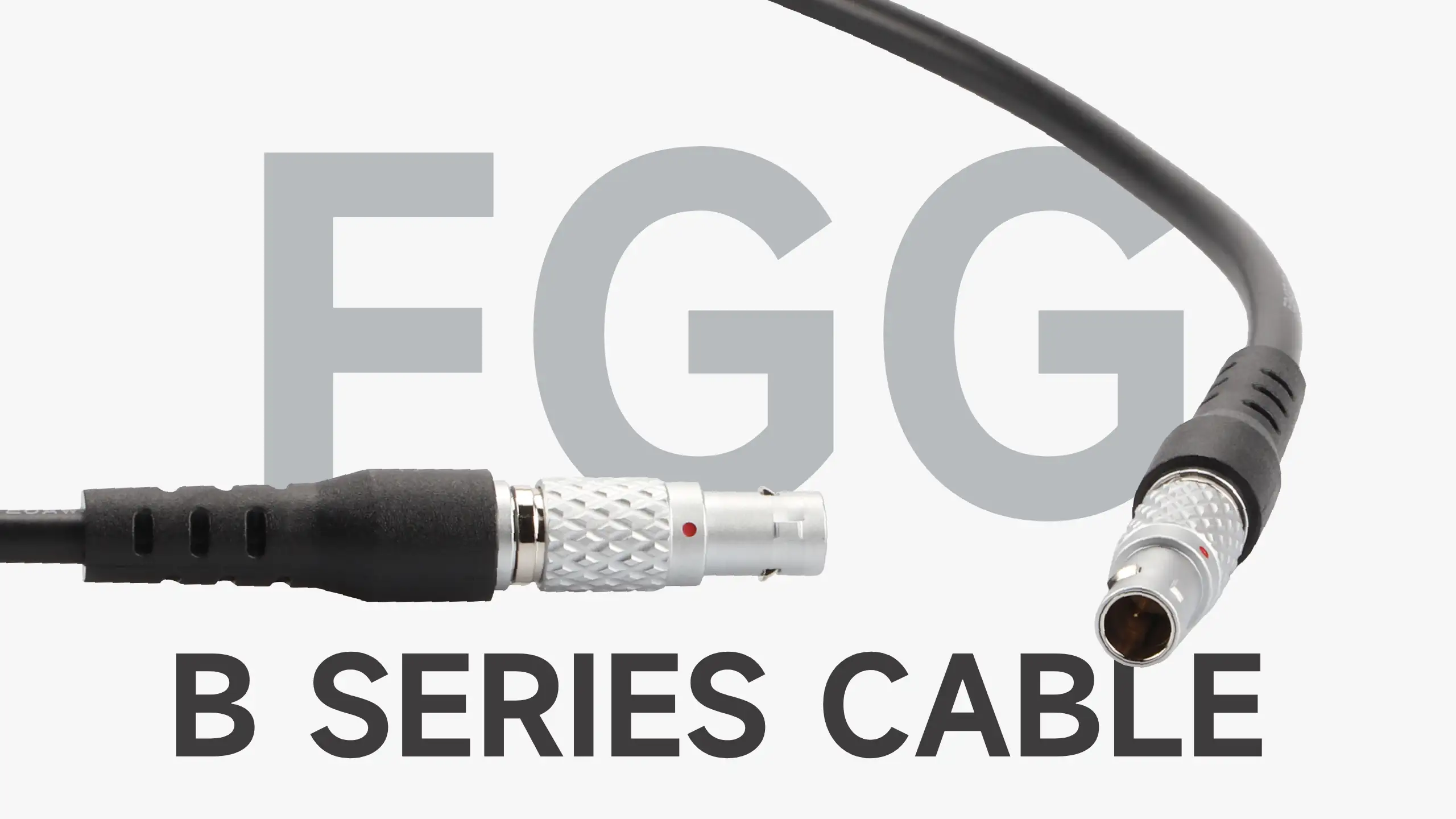
If you have ever looked behind a security recorder, you have probably seen a small forest of cables plugged into its back panel. Each of those cables ends in a connector, and each connector plays a quiet but critical role in keeping the system running. Without them, cameras would have no reliable way to send footage, receive power, or communicate with the rest of the network. Despite their importance, connectors are often treated as an afterthought during planning. Understanding what they are and how they work helps homeowners, business owners, and installers make better decisions. This article explains the purpose of camera cable connectors, the common types you will encounter, and why the right choice has a real effect on how well a security system performs over time.
The Basic Role of a Connector
A camera cable connector is the fitting attached to the end of a cable that allows it to join securely with a camera, recorder, monitor, or power source. Its job sounds simple, but it involves several responsibilities at once. It must make solid electrical contact so signal and power flow without interruption. It must hold the cable firmly so it does not slip out when someone bumps the equipment. For video signals, it must also preserve the electrical properties of the cable so the picture arrives clean and sharp. In short, the connector turns a length of wire into a usable link. When it is well made and properly installed, you never notice it. When it is poor or damaged, it quickly becomes the most noticeable weak point in the entire system.
Common Connector Types You Will See
Different jobs call for different connectors. For coaxial video cables, the BNC connector is the long-standing standard thanks to its secure bayonet lock and consistent 75 ohm performance. When choosing a camera cable connector for a modern surveillance setup, you may also come across RJ45 connectors for network cameras, RCA connectors on some monitors, HDMI for linking recorders to displays, and power connectors such as DC plugs or D-Tap fittings in camera rigs. Each type is designed around a specific kind of signal or power delivery. Mixing them up or relying on adapters for everything tends to introduce weak spots. Knowing which connector each device expects makes planning much easier and reduces the chance of unpleasant surprises when installation day arrives.
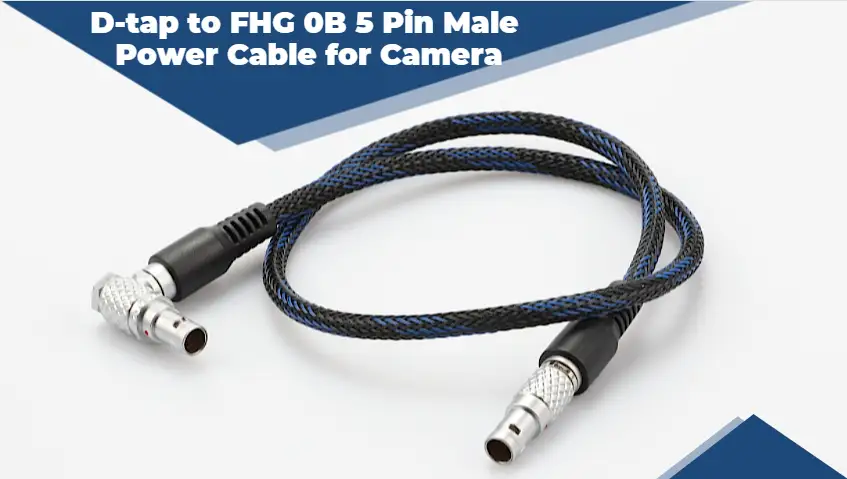
How Connectors Affect Video Quality
Video signals are sensitive, especially as camera resolutions increase. A connector that does not match the cable's impedance can cause reflections that show up as ghosting, soft images, or unstable color. A loose center pin can create intermittent dropouts that are frustrating to diagnose because the problem comes and goes. Poor shielding at the connector allows electrical noise from nearby power lines or equipment to leak into the signal, producing lines or flicker on the screen. Corroded contacts gradually increase resistance and weaken the image. These issues often get blamed on the camera or recorder when the real cause is sitting at the end of the cable. A properly matched, well-built connector keeps the signal path consistent from start to finish, preserving the clarity your cameras are capable of delivering.
Durability and Physical Protection
Connectors also face physical wear. Every time a cable is unplugged, twisted, or bumped, the connector absorbs that stress. In fixed installations, a quality connector may sit untouched for years, but it still needs to resist corrosion, temperature changes, and gradual loosening. In mobile or professional camera setups, connectors may be connected and disconnected many times a week, which demands strong mechanical design. Strain relief at the back of the connector helps protect the point where the cable enters, since this is where conductors most often break. Outdoor installations add rain, humidity, and dust to the list of challenges. Choosing connectors built with solid materials and good construction means fewer service calls, less downtime, and more confidence that your cameras will keep recording when it matters.
Finding Reliable Connector Solutions
Knowing what a connector does is one thing, but finding dependable ones is another. It helps to work with a supplier that focuses on connectors and understands camera applications. MOCO, based in Shenzhen, offers camera cables and connectors including BNC, RCA, RJ45, HDMI, and D-Tap types, along with cables such as RG59, RG179, RG316, and Cat5 or Cat6 Ethernet. The company also provides custom assemblies, which is helpful when a project needs specific lengths or unusual combinations. Whether you are wiring a few cameras at home or planning a large commercial system, the connector is a small component that deserves careful attention. Choose quality parts, match them properly to your cables, and your CCTV system will have the solid foundation it needs to perform reliably.

 English
 Arabic
 French
 Spanish
 Portuguese
 Deutsch
 Turkish
 Italiano
 Russian
 Romaian
 Portuguese (Brazil)
 Greek
Greek