


Right-Angle BNC Camera Cable Connectors: Uses, Advantages, and Installation Tips
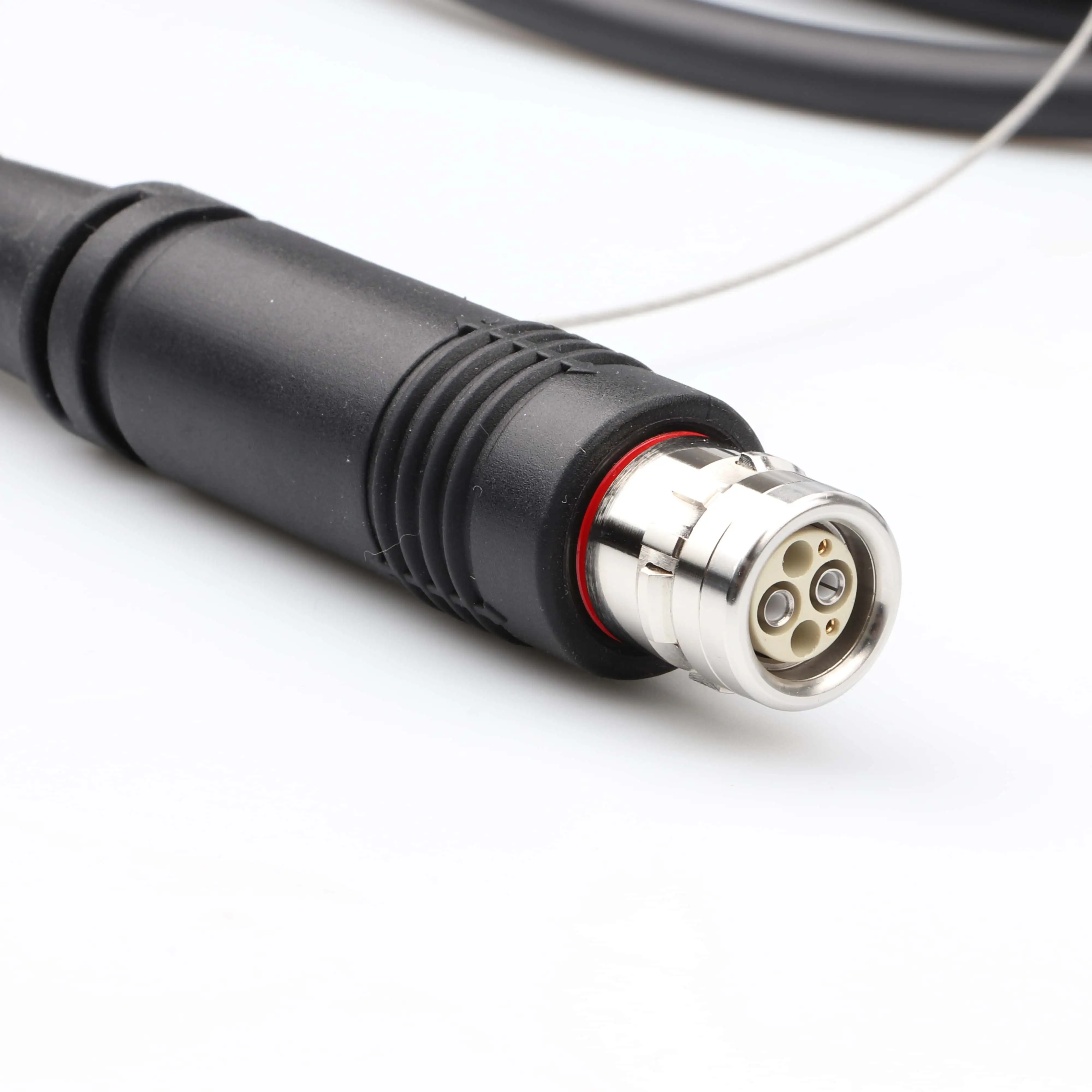
Sometimes the smallest design change solves the biggest headache. Anyone who has tried to connect a straight BNC cable behind a wall-mounted recorder or inside a compact camera rig knows the problem. The connector sticks out, the cable bends sharply, and the whole setup looks strained. Over time, that stress can loosen the connection or damage the cable. Right-angle BNC connectors address this by turning the cable ninety degrees right at the connection point. They are simple, but they make a real difference in many installations. This article explains where right-angle BNC connectors are useful, the advantages they offer, and practical tips for installing them correctly in surveillance and professional camera applications.
What Right-Angle BNC Connectors Are
A right-angle BNC connector works just like a standard BNC connector, using the same bayonet locking mechanism and electrical design, but its body is shaped so the cable exits at a ninety degree angle. This allows the cable to run parallel to the surface of the equipment instead of projecting straight out. Right-angle connectors are available as male cable ends, adapters, and complete assemblies. Some cables have right-angle connectors on both ends, while others combine one right-angle end with a straight end. For video applications, right-angle BNC connectors should still be 75 ohm parts matched to the cable, such as RG59 or RG179. They are designed to maintain electrical performance while solving physical space and routing challenges.
Where They Are Most Useful
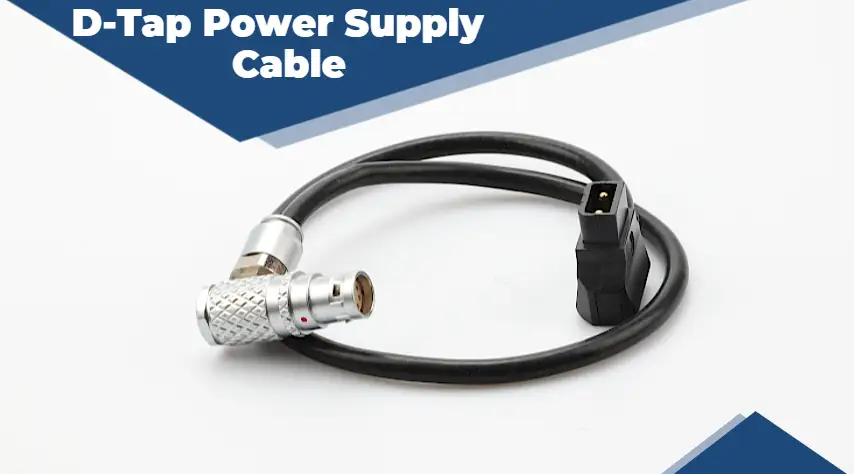
Right-angle connectors shine wherever space is limited. Behind recorders and switchers mounted against walls or in shallow cabinets, they allow cables to run flat and tidy. Inside camera housings, especially compact dome or box cameras, they help cables fit without being forced into tight bends. On professional camera rigs, where monitors, transmitters, and recorders are mounted closely together, right-angle BNC cables keep connections neat and reduce the chance of snagging. MOCO offers right-angle BNC to right-angle BNC RG179 cables intended for camera use, a common choice in production setups. Right-angle connectors are also useful in equipment racks, where they help direct cables toward cable management channels and keep front or rear panels clear.
Key Advantages Over Straight Connectors
The main advantage of right-angle connectors is reduced strain on the cable and connection. Sharp bends right behind a straight connector can damage the conductor, distort the cable's internal structure, and gradually loosen the connector. A right-angle design removes much of that stress. Right-angle connectors also save space, allowing equipment to sit closer to walls or other devices. They improve cable management, making installations look more professional and easier to maintain. In mobile applications, lower profile connections are less likely to catch on clothing, equipment, or cases. These benefits add up to a connection that is not only tidier but also more durable, which is exactly what installers want from every camera cable connector in a system.
Installation Tips for Best Results
Installing right-angle connectors follows many of the same principles as straight connectors, with a few extra considerations. First, plan the direction the cable should exit, since a right-angle connector fixes the cable's path once locked. Make sure the connector can rotate freely enough to lock the bayonet without the cable colliding with nearby equipment. Use connectors matched to your cable size and 75 ohm impedance, and follow proper stripping and termination steps if fitting them yourself. Many installers prefer factory-made right-angle assemblies, since terminating these connectors in the field can be more fiddly than straight ones. After installation, support the cable with ties or clips so its weight does not pull on the connector.
Choosing Quality Right-Angle Connectors
Not all right-angle connectors are equal. Because the internal signal path turns a corner, good design and manufacturing are important to maintain consistent impedance and shielding. Poorly made right-angle connectors can introduce more signal disruption than straight ones. Look for solid metal construction, good plating, and firm locking. Buying from a supplier focused on connectors and assemblies helps ensure consistent quality. MOCO provides right-angle BNC options within its camera cable range, along with custom assemblies built to specified lengths and connector combinations. Whether you are tidying up a security recorder installation or building a compact camera rig, right-angle BNC connectors are a smart, practical solution that protects cables and keeps connections reliable.

 English
 Arabic
 French
 Spanish
 Portuguese
 Deutsch
 Turkish
 Dutch
Dutch
 Italiano
 Russian
 Romaian
 Greek
Greek