


Which Materials Are Used in Hengqi Precision Mould Manufacturing Systems
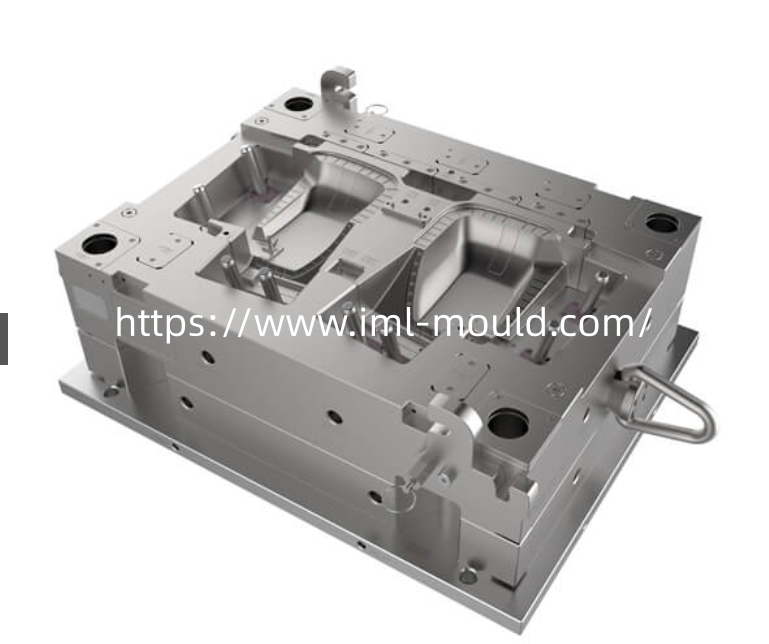
Precision Mould engineering relies heavily on material selection, as different applications require different levels of strength, wear resistance, and thermal stability. In modern manufacturing environments, choosing suitable materials helps support stable production performance and consistent product quality across long operating cycles. Industries such as packaging, automotive components, and consumer goods often depend on carefully selected tooling materials to maintain efficiency and dimensional accuracy.
Tool steel is one of the most commonly used material categories in mould manufacturing. It offers a balanced combination of hardness and machinability, making it suitable for components that require repeated use under high pressure. Depending on production needs, different grades of tool steel may be selected to match wear resistance requirements or surface finish expectations. Heat treatment processes are also applied to adjust mechanical properties and improve durability during long-term operation.
Stainless steel is another important material used in environments where corrosion resistance is necessary. In production settings involving moisture, chemical exposure, or frequent cleaning, stainless steel components can help maintain structural stability. Although it may require more machining effort compared to other materials, its performance in specific conditions makes it a practical choice for selected applications.
Aluminum alloys are often used for prototype tooling or lower volume production due to their lightweight nature and easier machining characteristics. These materials allow faster design validation and shorter development cycles, making them suitable for early-stage testing or limited production runs. However, they may not be ideal for long-term high pressure production environments compared to hardened steel options.
Copper-based alloys are sometimes applied in thermal management components within tooling systems. Their good thermal conductivity helps improve cooling efficiency during production cycles. This can contribute to more stable cycle times and better control over product shape consistency. In certain cases, these materials are integrated into cooling inserts or specific functional areas of the mold structure.
Surface treatment technologies also play an important role in enhancing material performance. Processes such as nitriding, coating, and polishing can improve wear resistance and reduce friction during production. These treatments help extend tool life and maintain consistent performance across extended manufacturing periods. Engineers often combine base material selection with surface enhancement strategies to achieve balanced performance results.
Hengqi focuses on tooling solutions designed for a wide range of industrial applications, supporting customers with material selection guidance and manufacturing support. The company considers factors such as production volume, product design complexity, and operational environment when developing mold systems. By combining engineering experience with practical manufacturing requirements, different solutions can be adapted to specific project needs.
Maintenance planning is also closely related to material performance. Proper selection of steel grades and surface treatments can reduce downtime and simplify repair procedures during long production cycles. Manufacturers often evaluate long-term cost efficiency rather than focusing only on initial tooling investment, especially in high frequency production environments.
As manufacturing requirements continue to evolve, material innovation remains an important development direction. New alloy combinations, improved heat treatment techniques, and advanced coating technologies are being introduced to support more stable production processes. These improvements help manufacturers adjust to changing product designs and increasing quality expectations.
For companies looking for tooling solutions and engineering support, Hengqi continues to provide manufacturing services across different industrial sectors. More technical details and product information can be found at https://www.iml-mould.com/

 English
 Arabic
 French
 Portuguese
 Deutsch
 Turkish
 Dutch
Dutch
 Italiano
 Russian
 Romaian
 Portuguese (Brazil)
 Greek
Greek