


Wet vs Dry Dressings: Which is Better for Healing?
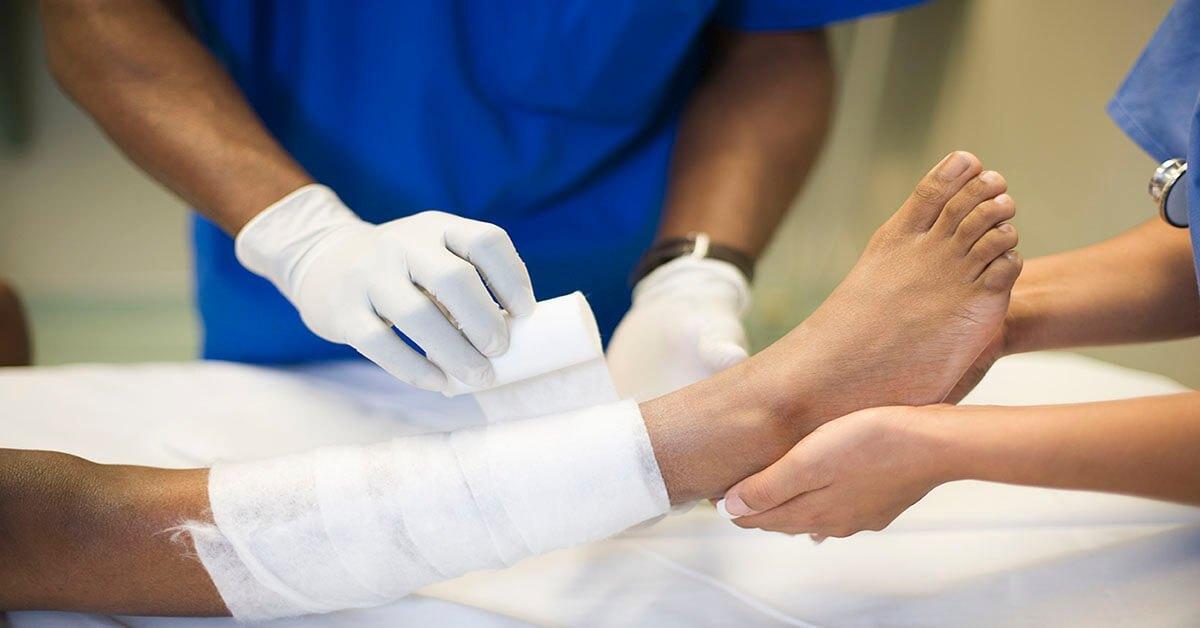
When caring for minor cuts, burns, or surgical wounds, knowing the difference between wet and dry dressings can make a significant difference in recovery. Proper wound dressing at home in Dubai ensures faster healing while preventing infection and complications. A doctor at home can guide you in selecting the right type of dressing based on wound severity, location, and healing stage, providing convenience and safety. Understanding the advantages and limitations of each dressing type helps in making informed decisions for effective wound care.
Understanding Wet Dressings:
Wet dressings involve the use of a moist layer, often soaked with saline, antiseptics, or medicated solutions, applied directly to the wound. These dressings create a damp environment that promotes cell growth and speeds tissue repair.
Benefits of wet dressings include:
- Maintains a moist environment to prevent scab formation
- Reduces pain by protecting exposed nerve endings
- Promotes faster epithelial cell migration
- Can be infused with antibacterial agents to prevent infection
Understanding Dry Dressings:
Dry dressings are typically gauze or sterile pads that cover the wound without additional moisture. They are used to absorb exudate and protect the wound from external contaminants.
Advantages of dry dressings include:
- Simple to apply and widely available
- Helps absorb excess fluids and reduce risk of maceration
- Provides a protective barrier against dirt and bacteria
- Often recommended for wounds with minimal exudate
When to Use Wet Dressings:
Wet dressings are generally preferred for wounds that are slow to heal, infected, or produce significant exudate. The moisture helps create an optimal environment for healing and reduces the likelihood of scarring.
Situations ideal for wet dressings include:
- Burns or partial-thickness wounds
- Chronic ulcers or diabetic wounds
- Wounds with thick, dry scabs that need softening
- Areas where pain reduction is important during dressing changes
When to Use Dry Dressings:
Dry dressings are better suited for wounds that are clean, have minimal exudate, or are in later stages of healing. They are useful for maintaining a sterile environment without adding moisture that could lead to maceration.
Situations ideal for dry dressings include:
- Post-surgical incisions with low drainage
- Minor cuts and abrasions with minimal bleeding
- Superficial scratches or shallow lacerations
- When moisture could cause irritation or infection
Pain Management During Dressing Changes:
Both wet and dry dressings can cause discomfort when removed, but proper techniques reduce pain. Understanding how to manage discomfort is essential, especially when performing wound dressing at home in Dubai.
Helpful strategies include:
- Using saline to loosen sticky dressings
- Applying topical analgesic gels when needed
- Removing dressings slowly and gently
- Ensuring proper hydration and nutrition to support healing
Infection Prevention:
Preventing infection is crucial regardless of dressing type. The right dressing choice combined with proper hygiene minimizes the risk of bacterial contamination.
Tips for infection prevention include:
- Washing hands thoroughly before handling the wound
- Using sterile gloves or tools for dressing changes
- Changing dressings regularly based on exudate levels
- Monitoring for redness, swelling, or unusual discharge
Moisture Control for Optimal Healing:
Moisture balance is a key factor in wound healing. Wet dressings provide moisture, while dry dressings help absorb excess fluid. Both approaches aim to maintain an ideal environment for tissue repair.
Best practices for moisture control include:
- Adjusting dressing type based on wound condition
- Using non-adherent dressings to prevent sticking
- Applying barrier creams around the wound if needed
- Avoiding overly wet conditions that promote bacterial growth
Role of Nutrition and Lifestyle:
Healing is not just about external care; nutrition and lifestyle play a significant role in recovery. Proper diet and activity levels enhance tissue regeneration and reduce complications.
Recommendations include:
- Eating protein-rich foods to support tissue repair
- Consuming vitamins and minerals like Vitamin C and zinc
- Staying hydrated to maintain skin elasticity
- Avoiding smoking and alcohol that impair healing
When to Consult a Doctor at Home:
Certain wounds require professional assessment to ensure proper healing. A doctor at home in Dubai can provide timely evaluation and intervention, especially if complications arise.
Situations to seek professional help include:
- Persistent redness, swelling, or pain
- Signs of infection such as pus or foul odor
- Wounds that are not healing despite proper care
- Deep or large wounds requiring specialized dressings
Choosing the Right Dressing Material:
Selecting the right dressing material is critical for healing efficiency and comfort. Both wet and dry dressings have different material requirements to optimize outcomes.
Recommended materials include:
- Non-adherent gauze for sensitive wounds
- Hydrocolloid or hydrogel dressings for moist healing
- Sterile adhesive pads for dry wounds with minimal exudate
- Silicone-based dressings for delicate or painful areas
Final Thoughts:
Deciding between wet and dry dressings depends on wound type, exudate levels, and healing stage. For effective wound dressing at home in Dubai, understanding the advantages of each approach ensures faster recovery and reduced risk of infection. Incorporating proper hygiene, moisture control, and pain management techniques makes dressing changes safer and more comfortable. Consulting a doctor at home is advisable when wounds are severe, slow to heal, or show signs of infection. By choosing the appropriate dressing and following recommended practices, you can support optimal healing and overall wound care success.

 English
 Arabic
 French
 Spanish
 Portuguese
 Turkish
 Dutch
Dutch
 Italiano
 Russian
 Romaian
 Portuguese (Brazil)
 Greek
Greek