


Is FUE the Future of Hair Restoration?
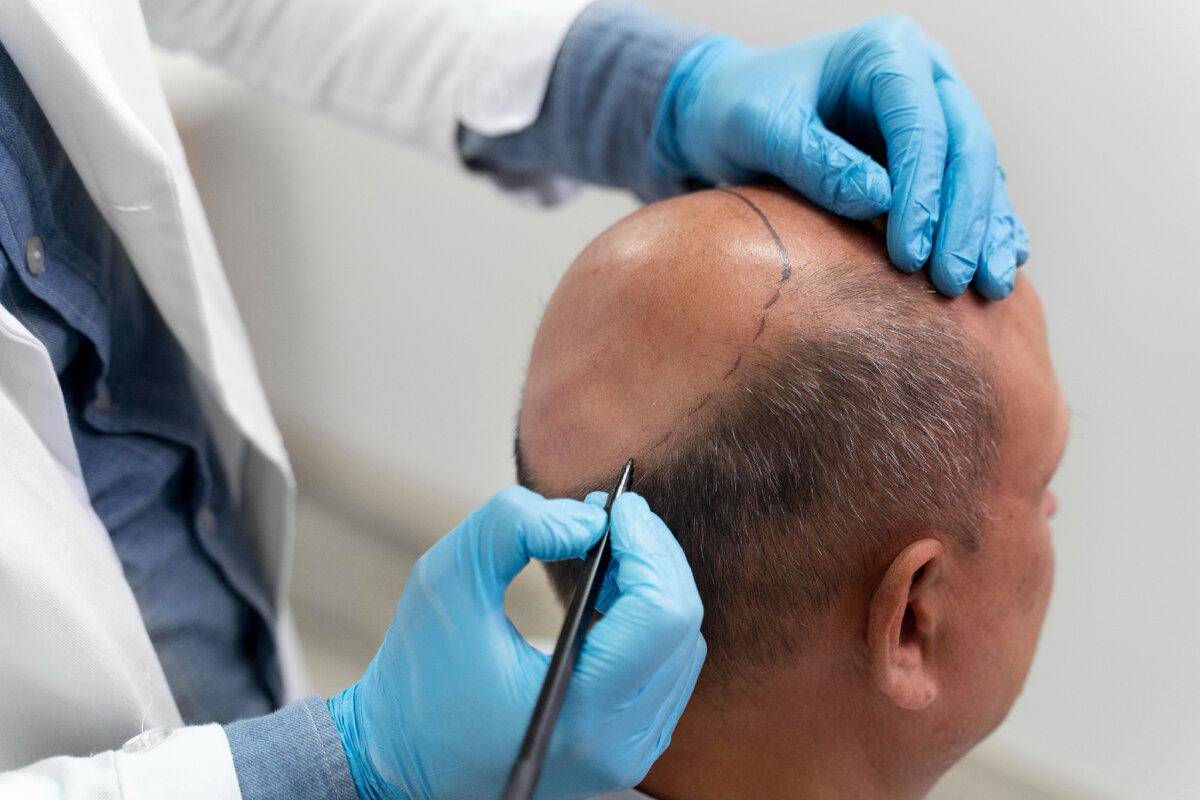
Hair loss can gradually become a noticeable part of a person's appearance. Whether it begins with a receding hairline, thinning at the crown, or reduced density across the scalp, continuing hair loss can affect confidence and styling choices. Modern restoration techniques provide several options for people who want to improve areas affected by hair loss. Among these options, FUE Hair Transplant has become a popular technique because it involves the extraction and placement of individual follicular units.
For people considering hair transplant in Islamabad, learning about the procedure, recovery, graft selection, and long-term planning can help them approach treatment with realistic expectations. Enfield Royal Clinic in Islamabad offers consultations for individuals interested in exploring modern hair restoration solutions.
Understanding the FUE Technique
FUE stands for Follicular Unit Extraction. During this technique, individual follicular units are carefully removed from a donor region and transferred to areas where hair density has decreased.
The donor area is commonly found toward the back and sides of the scalp. Hair follicles in these regions can have characteristics that make them useful for transplantation in people experiencing pattern hair loss.
Instead of removing a strip of scalp, FUE uses individual extraction. This means there is no traditional linear incision across the donor area. The extracted follicles are then prepared and implanted according to a carefully designed treatment plan.
Why Individual Follicles Matter
Hair naturally grows in follicular units containing different numbers of hairs. Understanding this structure is important when planning a transplant.
Finer, single-hair grafts can be used near the front of the hairline to create a softer transition. Grafts containing multiple hairs can contribute to density farther behind the frontal zone.
This strategic placement helps the transplanted hair follow the natural characteristics of the scalp instead of creating an overly uniform appearance.
Assessing the Extent of Hair Loss
Before treatment, the pattern and progression of hair loss should be evaluated. Not every patient loses hair in the same way, and the treatment area can vary considerably.
Some people primarily need frontal restoration, while others may have thinning around the crown or diffuse loss throughout the scalp.
The donor area must also be examined. The available density and quality of donor follicles influence how much restoration can realistically be achieved.
A detailed consultation helps establish a treatment strategy based on the patient's individual characteristics.
Designing a Balanced Hairline
A successful transplant is not simply about filling every empty area. The hairline needs to look appropriate for the patient's face and age.
Natural hairlines often have subtle irregularities and contain finer hairs toward the front. Behind this area, density gradually increases.
When planning hair transplant in Islamabad, a personalized hairline can help create a result that complements the patient's facial proportions while preserving donor follicles for potential future needs.
Preparing for the Procedure
Before FUE, patients generally undergo an assessment of their scalp and hair. Their medical history, hair-loss pattern, donor density, and expectations can be discussed.
The treatment area is then planned according to the number of grafts that may be required. Patients can also discuss questions regarding recovery and aftercare.
Good preparation is important because it establishes realistic expectations before the procedure begins.
The Extraction Stage
During the procedure, local anesthesia is generally applied to the treatment areas. Individual follicular units are then extracted from the donor region using specialized instruments.
Precision is important during extraction. The follicles need to be harvested carefully to preserve their structure and suitability for implantation.
After extraction, the grafts are kept in appropriate conditions while they are prepared for transplantation.
The Implantation Stage
The recipient area is prepared according to the planned hairline and density. Small sites are created where the follicles will be placed.
The grafts are then inserted individually, with attention given to their direction, angle, and distribution.
Proper placement is particularly important at the frontal hairline. The transplanted follicles should follow the natural direction of surrounding hair to produce a more integrated appearance.
Early Recovery After FUE
After treatment, patients may notice redness, mild swelling, sensitivity, or small crusts on the scalp. These temporary effects can occur during the early healing period.
Patients are normally provided with specific instructions for protecting the transplanted area. These instructions may include guidance on washing the scalp, physical activity, sleeping position, and avoiding unnecessary contact with the treated area.
Recovery experiences differ, so patients should follow the individualized advice provided by their medical team.
The Temporary Shedding Phase
One of the most misunderstood parts of hair transplantation is temporary shedding. Some transplanted hairs may fall out during the early stage after treatment.
This does not necessarily mean that the transplanted follicles have been lost. The follicle can remain beneath the skin while the visible hair shaft sheds as part of the normal growth cycle.
New hair growth occurs gradually, meaning patients should allow sufficient time before evaluating the overall outcome.
Factors That Influence Results
The outcome of an FUE procedure can depend on several factors. Donor hair quality, recipient-area condition, graft selection, hair characteristics, treatment planning, and individual healing can all influence the final appearance.
The experience and technique of the medical team also matter. Careful handling of grafts and precise implantation can help support their survival and natural integration.
Patients should therefore focus on the overall quality of treatment planning rather than simply the number of grafts discussed.
Protecting the Donor Area
The donor area should be managed carefully because it provides the follicles used for transplantation.
Excessive extraction can reduce density and affect the appearance of the donor region. It may also limit future restoration possibilities.
A thoughtful approach focuses on using donor follicles efficiently while maintaining a balanced appearance in both the donor and recipient areas.
Can FUE Be Used for Different Areas?
FUE can be used to address several forms of hair loss depending on the patient's suitability.
The frontal hairline is one of the most commonly treated areas. Some patients may also require additional density behind the hairline or around the crown.
In certain situations, targeted transplantation may be used to improve the appearance of specific areas rather than covering the entire scalp.
The appropriate strategy depends on the individual's donor availability and pattern of hair loss.
Discussing Your Options With Dr Adnan Bashir
Individuals researching Dr Adnan Bashir can discuss their hair restoration goals during a professional consultation.
An assessment can help determine whether FUE is suitable, which areas may benefit most from transplantation, and how available donor follicles could be distributed.
Personalized planning is important because no two patients have exactly the same hair characteristics or expectations.
Why Consider Enfield Royal Clinic in Islamabad?
Enfield Royal Clinic in Islamabad is an option for people exploring professional hair restoration services. Patients can discuss their concerns and learn about possible treatment approaches through consultation.
When choosing a clinic, it is useful to consider the complete patient journey, including assessment, treatment planning, graft handling, implantation, aftercare, and follow-up.
A well-planned procedure should prioritize natural-looking results and responsible donor management.
Long-Term Expectations
Hair restoration should be considered a long-term process. Transplanted follicles may provide lasting growth, but existing non-transplanted hair can continue to thin depending on the individual's underlying condition.
This makes future planning important. Preserving donor follicles and establishing a suitable hairline can help maintain a balanced appearance as hair changes over time.
Patients should also understand that results develop gradually. Patience and appropriate aftercare are important parts of the process.
Final Thoughts
FUE Hair Transplant is a modern hair restoration technique that transfers individual follicular units from a suitable donor area to regions affected by hair loss. Its detailed approach allows grafts to be strategically placed according to the patient's natural hair pattern.
For anyone considering hair transplant in Islamabad, a professional consultation can provide valuable information about donor availability, treatment suitability, hairline planning, and realistic expectations.

 Arabic
 French
 Spanish
 Portuguese
 Deutsch
 Turkish
 Dutch
Dutch
 Italiano
 Russian
 Romaian
 Portuguese (Brazil)
 Greek
Greek