


How to Monitor Catheter Health at Home
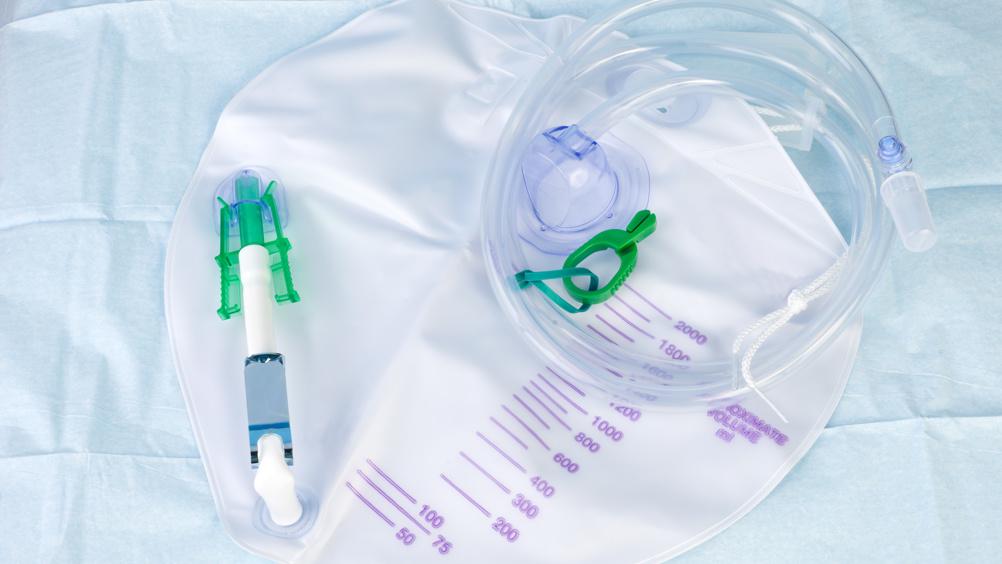
Monitoring catheter health is essential for anyone using a catheter outside of a hospital environment. In Catheter Care at Home Dubai, patients and caregivers must pay close attention to hygiene, proper use, and early warning signs of complications. With the guidance of a Doctor at Home, individuals can maintain catheter safety, prevent infections, and address problems promptly. Access to professional advice ensures that home catheter care remains effective and stress-free, without over-reliance on hospital visits.
Understanding Catheter Function:
A catheter is a flexible tube used to drain urine from the bladder. Monitoring its health starts with understanding how it works and its daily needs. Properly functioning catheters allow urine to flow freely while reducing the risk of infection, blockage, or discomfort. Recognizing normal catheter behavior and patterns in urine output is crucial for safe home care.
Key points include:
- Learn the type and size of the catheter in use
- Observe the frequency and volume of urine
- Check tubing and connectors for kinks or leaks
- Understand how to secure the catheter for mobility
- Note any changes in comfort or sensation
Daily Hygiene Checks:
Maintaining cleanliness is one of the most important aspects of catheter monitoring. Daily checks help prevent infections and ensure the catheter is functioning properly.
Effective hygiene practices include:
- Wash hands thoroughly before and after handling the catheter
- Clean the insertion site daily with mild soap and water
- Avoid touching the catheter unnecessarily
- Keep the drainage bag below bladder level to prevent backflow
- Change gloves and cleaning materials regularly if multiple caregivers are involved
Observing Urine Characteristics:
Regularly observing urine characteristics can reveal early signs of infection or blockage. Patients should monitor color, consistency, and odor.
Key monitoring guidelines include:
- Normal urine should be pale yellow and clear
- Cloudy, dark, or foul-smelling urine may indicate infection
- Blood in urine can signal irritation or trauma
- Record urine output to track changes or abnormalities
- Seek professional advice if unusual patterns persist
Checking Catheter Placement and Securement:
Proper placement and securement reduce the risk of injury or accidental removal. Monitoring the catheter's position is essential for comfort and function.
Important steps include:
- Ensure the catheter tubing is not twisted or kinked
- Secure the catheter with medical tape or straps as recommended
- Check that the drainage bag hangs below bladder level
- Inspect for signs of leakage around the insertion site
- Avoid tugging or sudden movements that may dislodge the catheter
Monitoring for Signs of Infection:
Early detection of infection can prevent serious complications. Being proactive is crucial when caring for a catheter at home.
Signs to watch for include:
- Fever or chills
- Redness, swelling, or discharge at the catheter site
- Burning or discomfort during urination
- Unusual urine color or strong odor
- Lower abdominal pain or pressure
Preventing Blockages:
Blockages can disrupt urine flow and increase the risk of infection or discomfort. Monitoring catheter health includes steps to minimize obstruction.
Prevention measures include:
- Ensure adequate hydration to flush the urinary system
- Avoid kinking or bending of the catheter tubing
- Empty drainage bags regularly before they become full
- Follow flushing or maintenance instructions provided by healthcare professionals
- Replace catheters on schedule as recommended by a Doctor at Home
Tracking Catheter-Related Discomfort:
Discomfort or irritation is not always normal and should be carefully monitored. Tracking symptoms helps caregivers address issues promptly.
Monitoring tips include:
- Note any burning, pressure, or pain around the catheter site
- Track timing and triggers of discomfort
- Adjust clothing or positioning to reduce friction
- Consult a Doctor at Home if persistent pain occurs
- Keep a log of symptoms for professional review
Recording Observations and Routine Checkups:
Maintaining a written record of observations ensures problems are detected early and professional care is informed.
Recommended practices include:
- Record daily urine output, color, and odor
- Note any pain, swelling, or leakage
- Track drainage bag changes and cleaning routines
- Schedule routine checkups with healthcare providers
- Share records with a Doctor at Home to optimize care
Emergency Indicators to Watch:
Certain symptoms require immediate attention to prevent serious complications. Knowing when to act is a critical part of home catheter monitoring.
Emergency signs include:
- Sudden inability to urinate
- Heavy bleeding from the catheter site
- Severe abdominal or bladder pain
- Persistent fever or chills
- Significant changes in urine color or consistency
Final Thoughts:
Monitoring catheter health at home is achievable with awareness, diligence, and professional support. By following routines for hygiene, placement, and urine observation, patients can prevent infections, blockages, and discomfort. Utilizing Catheter Care at Home Dubai services and access to a Doctor at Home ensures timely guidance, reduces hospital visits, and empowers caregivers with confidence. Maintaining detailed records and staying alert to warning signs creates a safe and effective environment for home catheter use, improving overall comfort and quality of life.

 English
 Arabic
 French
 Spanish
 Portuguese
 Turkish
 Dutch
Dutch
 Italiano
 Russian
 Romaian
 Portuguese (Brazil)
 Greek
Greek