


C-Reactive Protein Blood Test: Is It Painful and What Happens During Testing?
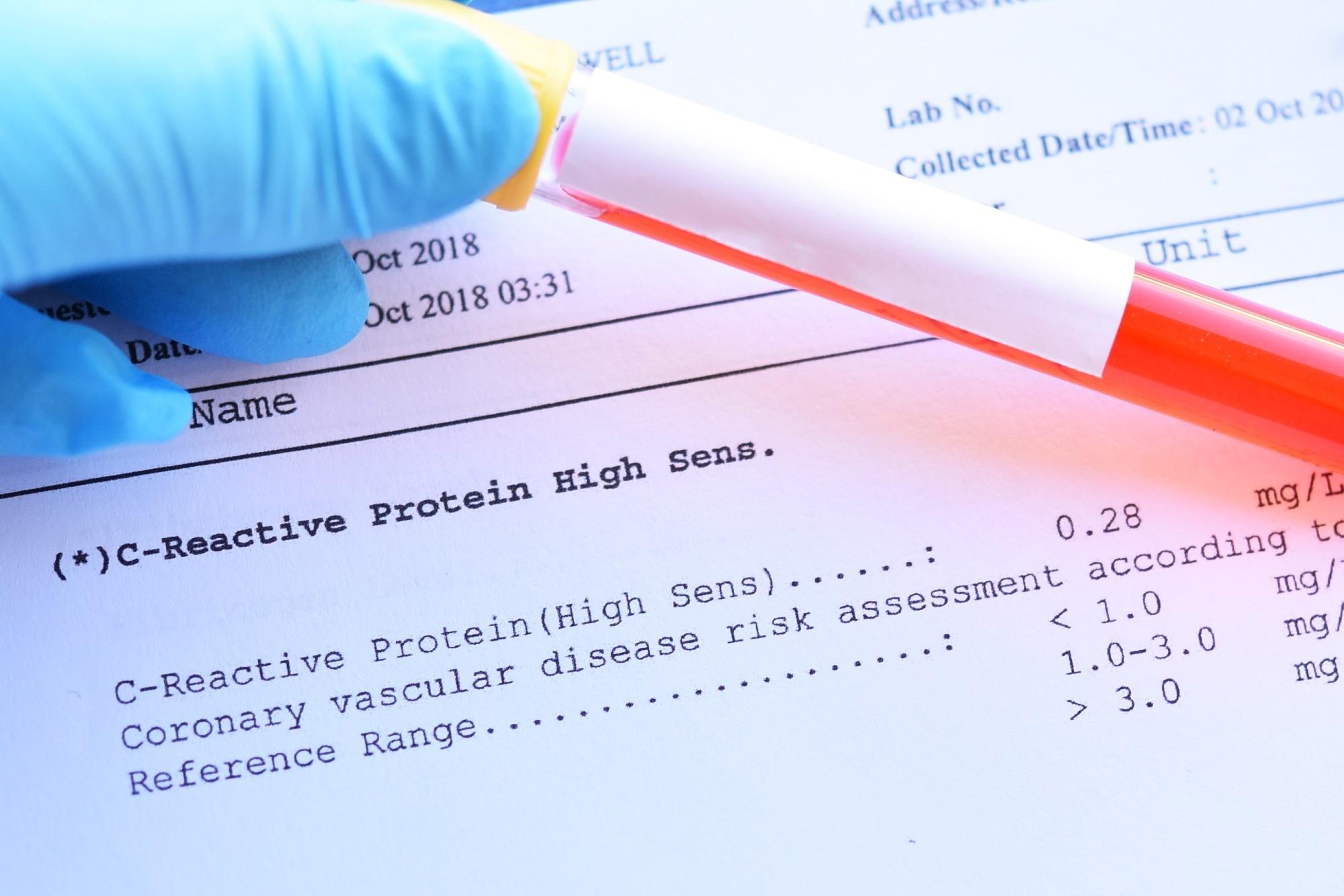
If your doctor has recommended a C-Reactive Protein Blood Test in Dubai, you may have questions about the procedure. Is the test painful? How is the blood sample collected? Will you feel discomfort afterward, and do you need to prepare before visiting the laboratory?
The reassuring news is that a C-reactive protein blood test is a routine blood test that usually causes only brief, mild discomfort. Most people tolerate it well, and the blood collection generally takes just a few minutes. The test measures the level of C-reactive protein in your blood, helping healthcare professionals assess inflammation and investigate possible infections or inflammatory conditions.
Although the procedure is simple, understanding each step can make your appointment less stressful. This guide explains what the CRP blood test feels like, what happens during testing, how to prepare, and how doctors use the results to support medical decisions.
Is a C-Reactive Protein Blood Test Painful?
For most people, a CRP blood test is not significantly painful. Because the test usually requires a small blood sample taken from a vein, you may feel a quick pinch or slight stinging sensation when the needle enters your skin.
The discomfort is typically brief and fades once the needle is removed. Some people barely notice the sensation, while others may feel more uncomfortable because of needle anxiety, sensitive skin, or difficulty finding a suitable vein.
You might experience:
-
A brief pinch when the needle enters your arm.
-
Mild pressure around the collection site.
-
Slight tenderness after the blood draw.
-
A small bruise that may appear later.
These effects are generally temporary. Serious complications from a routine blood draw are uncommon.
If you feel nervous about needles, tell the healthcare professional before the procedure begins. They can help you get comfortable, explain what they are doing, and allow you to rest if you feel lightheaded.
What Happens During a CRP Blood Test? A Step-by-Step Explanation?
A C-reactive protein test follows a standard blood collection process. You do not need to undergo surgery, receive an injection of medication, or stay in the hospital solely for the test.
Step 1: Checking Your Details
When you arrive at the laboratory or healthcare facility, staff will usually confirm your identity and review the doctor's test request. They may ask about other tests you are having and whether you received any preparation instructions.
For a standard CRP test alone, fasting is generally not required. However, if your doctor has ordered other blood tests, you may need to follow additional instructions.
Step 2: Getting Comfortable Before the Blood Draw
You will usually sit in a chair with your arm supported. A trained phlebotomist or other healthcare professional will select a suitable vein, commonly on the inside of your elbow or the back of your hand.
If you have a history of fainting during blood tests, mention it before collection. You may be able to have the sample taken while lying down.
Staying relaxed and keeping your arm still can make the process easier.
Step 3: Cleaning the Skin and Finding a Vein
The healthcare professional will clean the selected area with an antiseptic. They may place a tourniquet around your upper arm to make the veins easier to identify.
You may feel some tightness from the tourniquet, but it is temporary. Once the vein is ready, the professional will insert a small needle to collect the blood.
Step 4: Collecting the Blood Sample
Blood flows through the needle into a collection tube. The amount required is generally small, and collection often takes only a few minutes, although it can take longer if the vein is difficult to access.
You may feel a brief pinch when the needle enters your skin. Try to keep your arm relaxed and avoid sudden movements while the sample is being collected.
Step 5: Removing the Needle and Applying Pressure
After enough blood has been collected, the needle is removed. The healthcare professional will ask you to apply pressure to the puncture site with gauze or cotton.
A small adhesive dressing may then be placed over the area. Applying firm, steady pressure helps reduce bleeding and the chance of bruising.
Step 6: Sending the Sample for Analysis
The blood sample is labeled and sent to the laboratory for testing. Laboratory equipment measures the concentration of C-reactive protein, and the result is reported according to the facility's procedures.
The blood draw itself is brief, but receiving your report may take several hours, a day, or longer depending on the laboratory.
Why Does Your Doctor Recommend a CRP Blood Test?
C-reactive protein is a substance produced mainly by the liver. Its concentration in the bloodstream can increase when the body responds to inflammation.
The CRP blood test helps doctors investigate several medical concerns.
Possible infections: CRP may rise during bacterial or viral infections. Doctors interpret the result alongside symptoms such as fever, chills, fatigue, or localized pain.
Inflammatory and autoimmune conditions: Diseases such as rheumatoid arthritis and inflammatory bowel disease may cause elevated CRP levels. Testing can help assess inflammation and monitor changes over time.
Injury or recovery after surgery: Tissue damage can increase CRP. A healthcare professional may use the test alongside an examination to evaluate recovery or investigate possible complications.
Monitoring treatment: Repeated CRP measurements can help show whether inflammation is decreasing or continuing during treatment.
CRP is a nonspecific inflammation marker. This means it can indicate that inflammation may be present but cannot identify its exact cause on its own. A high result does not automatically confirm an infection, and a normal result does not rule out every inflammatory condition.
How Much Discomfort Should You Expect After the Test?
Most people return to their normal activities immediately after a routine CRP blood test. You may notice mild soreness or a small bruise where the needle entered your skin.
These effects usually improve naturally. To reduce discomfort after collection:
-
Keep pressure on the puncture site until bleeding stops.
-
Avoid rubbing or repeatedly touching the area.
-
Follow the healthcare professional's advice about lifting heavy objects if bruising or bleeding occurs.
-
Keep the dressing in place for as long as the laboratory recommends.
If you take blood-thinning medication or have a condition that makes bleeding more likely, inform the healthcare professional before the blood draw. Do not stop prescribed medication unless your clinician tells you to do so.
Contact a healthcare professional if bleeding does not stop with firm pressure, swelling increases significantly, or you develop worsening pain, redness, or other concerning symptoms.
How Can You Make a Blood Test More Comfortable?
Needle anxiety is common, even among adults who have had blood tests before. A few practical measures may help you feel more at ease.
Drink Water Unless You Have Been Told Otherwise
Being normally hydrated can make veins easier to access in some people. You can generally drink water before a standard CRP blood test, unless your healthcare professional has given you different instructions.
Look Away if Needles Make You Nervous
You do not need to watch the needle being inserted. Looking away and focusing on a fixed point, conversation, or slow breathing may help reduce anxiety.
Relax Your Arm and Breathe Normally
Tensing your muscles can make the experience more uncomfortable. Let your arm rest on the support and breathe slowly. Avoid holding your breath.
Tell the Phlebotomist About Previous Difficulties
If you have fainted during blood collection, have small or difficult-to-access veins, or previously experienced significant discomfort, let the staff know. They can consider suitable positioning and collection techniques.
If you feel dizzy, sweaty, nauseated, or faint during the procedure, tell the healthcare professional immediately.
Do You Need to Fast Before a CRP Blood Test?
In most cases, fasting is not necessary for a standard C-reactive protein blood test performed on its own. You can usually eat and drink normally before your appointment.
However, if your doctor has also ordered tests such as fasting blood glucose or certain lipid measurements, you may need to avoid food for a specified period.
Always follow the instructions provided by your doctor or laboratory rather than assuming that every blood test has the same requirements. Continue taking prescribed medications as directed unless you receive specific medical advice to change them.
When Will You Receive Your CRP Test Results?
The time needed to receive your CRP blood test results depends on the laboratory's testing schedule and reporting process. Some facilities offer same-day results, while others may take a day or longer.
Your report generally includes a CRP value, commonly measured in milligrams per liter (mg/L), and a laboratory reference range.
For a standard CRP test, a result below approximately 5 mg/L is often considered within the normal range, although reference limits vary between laboratories.
An elevated CRP level may occur with infection, autoimmune disease, injury, or other inflammatory conditions. Your doctor will consider the result alongside your symptoms, medical history, examination, and other tests before deciding what it means.
A normal CRP level does not completely exclude infection or inflammation. Likewise, an elevated level does not establish a specific diagnosis.
Standard CRP and High-Sensitivity CRP: Is the Procedure Different?
A standard CRP test and a high-sensitivity CRP test, also called hs-CRP, both measure C-reactive protein in the blood. The main difference is the range of concentrations they are designed to measure accurately and their common clinical uses.
A standard CRP test is often used to investigate active inflammation and help monitor inflammatory conditions. An hs-CRP test can measure lower levels of CRP and may be used in selected cardiovascular risk assessments.
Both tests generally use a routine blood sample collected from a vein. The collection procedure and expected discomfort are usually similar.
Your doctor can explain which test is appropriate for your situation and how the result should be interpreted.
Frequently Asked Questions:
How long does the CRP blood test take?
Blood collection usually takes around five minutes or less. Registration and waiting may make the full appointment longer, while laboratory analysis and reporting can take several hours or more.
Can I drive after a CRP blood test?
Most people can drive and return to normal activities after a routine blood draw. If you feel faint, dizzy, or unwell, wait until you have recovered and seek assistance if needed.
Does a CRP blood test require a large blood sample?
No. The test generally requires only a small amount of blood collected into a laboratory tube.
Can I take medication before the test?
Many people can continue their usual medication, but follow your healthcare professional's instructions. Tell your doctor about medicines and supplements because some may affect inflammation or the interpretation of your results.
Final Thoughts:
A C-reactive protein blood Lab tests is a quick, commonly performed procedure that usually causes only mild and temporary discomfort. The blood sample is generally collected from a vein in your arm, and the entire collection process often takes just a few minutes.
The test helps doctors assess inflammation, investigate possible infections, and monitor selected inflammatory conditions. However, CRP results must be interpreted alongside your symptoms, medical history, and other clinical findings.
If you are worried about needles or have had difficult blood draws in the past, let the healthcare professional know before your appointment. With simple preparation and clear communication, the experience is usually straightforward and manageable.

 English
 Arabic
 French
 Spanish
 Portuguese
 Deutsch
 Turkish
 Italiano
 Russian
 Romaian
 Portuguese (Brazil)
 Greek
Greek