


Surface Engineering and Design in Modern Guide Rollers
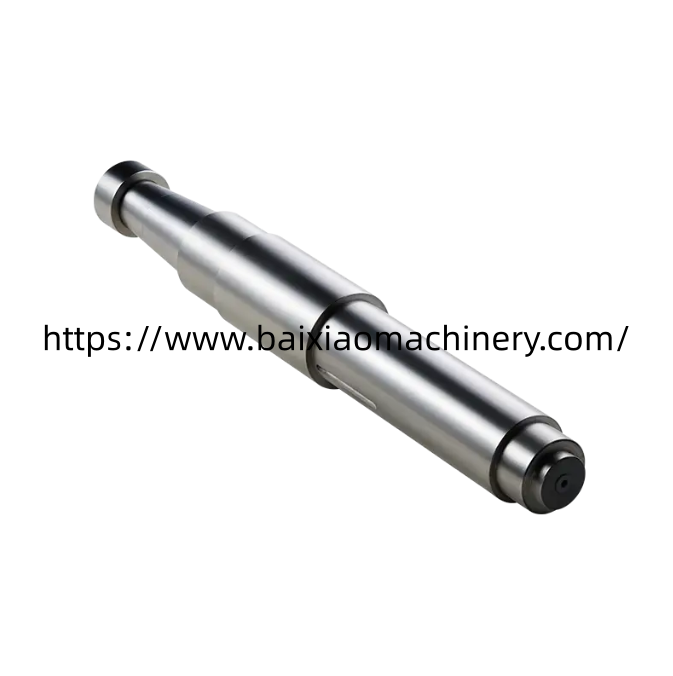
In production lines that handle paper, film, foil, and other flexible materials, maintaining a consistent travel path is essential for orderly processing. A Guide Roller helps direct material through machinery while supporting smooth contact and alignment between different production stages. Its effectiveness depends on the relationship between its base material, surface characteristics, mounting arrangement, and the behavior of the material moving across it.
Material selection should reflect both the production environment and the needs of the processed substrate. Aluminum is commonly used where a lightweight structure and resistance to rust are desirable. Steel may be appropriate when an application calls for a more rigid supporting structure, while stainless steel can be considered in environments where corrosion resistance is important. The choice should account for operating conditions, handling needs, and the demands placed on the complete assembly.
The surface finish deserves equal attention because the roller is in direct contact with the moving material. A smooth surface can help reduce unwanted marking on delicate films or finished paper. Textured or patterned surfaces may be useful when additional grip is needed to support stable material movement. The right finish depends on whether the application prioritizes gentle contact, traction, ease of cleaning, or resistance to surface wear.
When evaluating products, buyers should begin with the specific role the roller performs in the production line. A roller guiding thin film may have different requirements from one supporting paper during coating or directing packaging material around machine components. Purchasing teams should consider the substrate, its surface sensitivity, the direction of travel, the surrounding equipment, and the conditions under which the line operates. This practical assessment helps avoid choosing a component based only on its appearance.
Installation compatibility is another important consideration. The roller must connect correctly with the machine's supporting structure and fit the intended position within the material path. Buyers can provide drawings, samples, photographs, and information about existing mounting arrangements to help manufacturers understand the application. These details are particularly useful when replacing an older component or developing a roller for customized machinery.
Manufacturing methods influence the consistency of the finished product. Processes such as tube preparation, machining, turning, surface finishing, and assembly may be used according to the design. The roller's internal structure must provide suitable support, while the exterior surface needs to match the intended contact conditions. Careful coordination between these stages helps create a component that integrates with the equipment and supports predictable material movement.
Surface treatment can further adapt a roller to its working environment. Anodizing may be used on aluminum to improve surface hardness and resistance to wear and corrosion. Other options, including polishing, blasting, and texturing, can create different contact characteristics. These treatments should be selected according to the processed material and maintenance requirements, since a finish that improves grip in one application may not be suitable for a sensitive substrate.
The roller also contributes to the wider control of material movement. In printing and packaging lines, flexible webs often travel through multiple processing stations before being rewound or converted into finished products. Rollers positioned along this route can help guide the web and support consistent contact with adjacent equipment. If alignment or surface behavior is unsuitable, material may wander, wrinkle, or experience unwanted marks, making the roller's role important to the overall process.
User experience in industrial environments includes more than how a component performs during production. Maintenance teams need to inspect, clean, remove, and reinstall rollers as part of routine equipment care. A practical mounting design can make these tasks easier, while a surface that is accessible for cleaning can help reduce the accumulation of dust, ink, adhesive, or other residues. These considerations become especially relevant when production lines frequently change materials.
Operational checks can help identify developing issues. Uneven surface wear, contamination, unusual vibration, or changes in material tracking may indicate that the roller or its surrounding assembly needs inspection. Bearings, mounting points, and alignment should be considered alongside the roller surface, because problems may arise from the complete system rather than a single component. Following suitable maintenance procedures can help production teams address issues before they cause greater disruption.
Design and appearance are also relevant to industrial components. A clean, uniform finish can complement the overall construction of modern machinery, while a suitable surface pattern can provide a functional distinction between roller types. Structural features, end connections, and mounting interfaces should be designed with installation and servicing in mind. Good design brings together practical performance, manufacturability, and a consistent visual appearance.
Customization becomes useful when standard rollers do not fully match a production line. Different substrates, contact requirements, machine layouts, and cleaning conditions may call for specific materials or surface treatments. Zhejiang Province, Ruian Baixiao Machinery Co., Ltd. manufactures aluminum guide rollers and other supporting components for printing, packaging, paper, plastics, coating, and laminating equipment. The company also develops products according to customer drawings or samples, allowing the intended application to guide the product design process.
When discussing a new roller with a manufacturer, buyers can describe the material being handled, the purpose of the roller, the desired surface behavior, the installation arrangement, and any recurring production problems. This information helps guide decisions about material selection, finishing, construction, and maintenance access. Zhejiang Province, Ruian Baixiao Machinery Co., Ltd. provides further information about its roller products and manufacturing services at https://www.baixiaomachinery.com/.

 Arabic
 French
 Spanish
 Portuguese
 Deutsch
 Turkish
 Dutch
Dutch
 Italiano
 Russian
 Romaian
 Portuguese (Brazil)
 Greek
Greek