


Materials, Technology, and Design in Modern Welding Machines
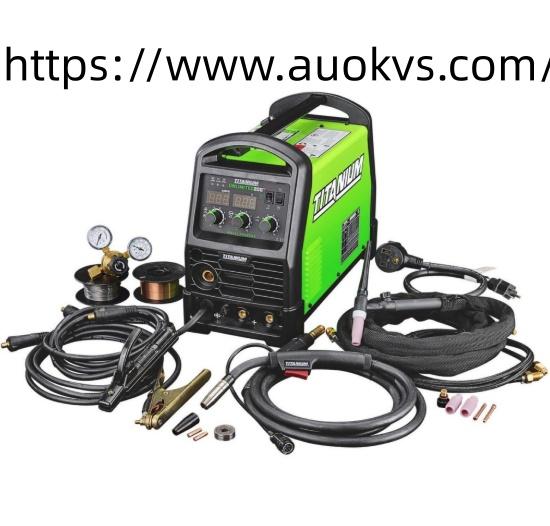
Metalworking tasks often involve more than joining two pieces of material. Preparing edges, removing damaged sections, shaping components, and completing repairs may require different processes throughout a single project. A Welder & Cutter brings welding and cutting functions together in an integrated system, helping users handle varied jobs without organizing every operation around separate machines. The suitability of this equipment depends on the materials being processed, the required working methods, the available workspace, and the operator's familiarity with each function.
Material compatibility should be considered before choosing a welding or cutting machine. Carbon steel is widely encountered in fabrication, repair, and structural work, while stainless steel and aluminum may require different process settings, preparation methods, or accessories. The machine itself also contains materials that affect durability and everyday handling. A metal housing can protect internal electrical components, while insulating materials help separate conductive parts and support electrical safety. Internal circuit boards, connectors, cooling components, and cable interfaces must be designed to withstand the conditions associated with regular operation. For equipment used in workshops or mobile repair environments, the housing and external connections should also suit the expected exposure to dust, handling, and movement.
Selecting appropriate equipment begins with identifying the work that needs to be completed. Buyers should consider whether their main activities involve welding, cutting, repair preparation, fabrication, or a combination of these tasks. The types of metal, joint designs, workpiece shapes, and working positions can influence which processes are appropriate. It is also useful to evaluate power availability, ventilation, portability, accessory compatibility, and the space required for safe operation. An integrated machine may help simplify equipment organization when several processes are needed, but buyers should verify which functions are included in the particular model. Reviewing the intended applications with a supplier can help establish whether the equipment matches the workshop's actual needs rather than relying on a general product description.
Functionality depends on how the machine manages electrical energy and delivers it to the selected process. Inverter-based designs use electronic power conversion to regulate output for welding operations. Depending on the machine configuration, available processes may include manual metal arc welding, gas-shielded welding, tungsten inert gas welding, or plasma cutting. Welding creates a joint by generating heat that melts the relevant metal surfaces, with the process determining how the arc is formed and how filler material is supplied. Plasma cutting uses a concentrated plasma stream to cut electrically conductive materials. When multiple functions share one machine, the operator must select the appropriate mode and connect the correct torch, cable, electrode holder, or other accessory according to the manufacturer's instructions. Control design and compatibility between internal systems are therefore important parts of the overall equipment evaluation.
User experience extends beyond how easily the machine starts. A clear control panel can help operators identify settings and select the intended process, while accessible connections make it easier to organize cables and accessories. Portability may matter for technicians who move between work areas, whereas workshop users may place greater emphasis on convenient storage, stable positioning, and access to supporting equipment. Cooling arrangements and ventilation also influence day-to-day operation because electronic equipment needs suitable airflow under working conditions. Operators should follow the manufacturer's guidance on inspection, cleaning, and service. Appropriate eye and face protection, gloves, suitable clothing, ventilation, and fire prevention measures are essential when carrying out welding or cutting work. Equipment should be used only by people with appropriate training and in accordance with applicable safety procedures.
Design and appearance affect how equipment fits into its working environment. A compact housing can make storage and transport more manageable, particularly for maintenance teams that need to carry equipment between locations. A well-organized front panel helps separate controls from working connections, while clearly identified ports can reduce confusion when changing between processes. Handle placement, housing shape, cable routing, and access to ventilation openings all influence practical handling. The external finish should be suitable for the conditions in which the machine will be used, but appearance alone cannot establish quality or suitability. Buyers should prioritize sound construction, understandable controls, accessible maintenance points, and compatibility with the intended work.
Taizhou ChuangLi Electronic Technology Co., Ltd. specializes in welding and cutting equipment, including manual arc welders, gas-shielded welding machines, TIG welding equipment, and integrated welding and cutting solutions. When evaluating equipment for a workshop, fabrication project, or maintenance operation, buyers can discuss material requirements, preferred processes, operating conditions, accessory needs, and portability expectations with the company. This helps clarify which product configuration is appropriate for the intended work and how it can fit into existing procedures. Further information about the company's welding and cutting products is available at https://www.auokvs.com/product/.

 Arabic
 French
 Spanish
 Portuguese
 Deutsch
 Turkish
 Dutch
Dutch
 Italiano
 Russian
 Romaian
 Portuguese (Brazil)
 Greek
Greek