


Water Heater Recycling: What Homeowners Should Know Before Disposal
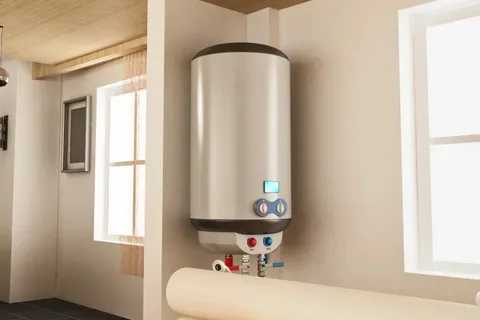
n old water heater can be difficult to move, unsafe to disconnect incorrectly, and wasteful to send directly to a landfill when recyclable materials can be recovered. J&S Hauling and Junk Removal helps homeowners understand that proper disposal starts with identifying the heater type, making the unit safe, and selecting an appropriate recycling or hauling option. Homeowners should also consider how much space the appliance occupies and whether they have the equipment to move it safely. water heater recycling can provide a more responsible alternative when the unit has reached the end of its useful life.
Key Takeaways
-
Water heaters contain recyclable metals that can be recovered after removal.
-
Gas and electric units require different preparation before transportation.
-
Heat-pump models may involve additional handling because they can contain refrigerant.
-
Professional hauling can simplify removal when the appliance is heavy, awkward, or difficult to access.
Why Old Water Heaters Are Often Recyclable
Traditional storage water heaters contain substantial amounts of metal. The main tank is generally made from steel, while other components can contain copper, brass, aluminum, and other materials.
This composition makes an old water heater different from ordinary household trash. Once the appliance has been safely disconnected and accepted by an appropriate recycling facility, its materials can enter separate recovery streams rather than being treated as general waste.
The timing of replacement also matters. Traditional tank-style water heaters commonly remain in service for roughly 10 to 15 years, although actual service life depends on water quality, maintenance, installation, corrosion, and equipment type. A heater that has reached the end of that period may be replaced because of leaks, poor performance, corrosion, or recurring repairs.
Homeowners should not assume that every old heater can simply be placed beside the curb. Local collection programs, scrap facilities, and private haulers may have different acceptance requirements. Calling ahead can prevent a rejected pickup or an unnecessary trip.
Preparing a Water Heater for Removal
The first priority is safety. A water heater should be disconnected from its energy source before anyone attempts to move it. Gas units require the gas supply to be shut off correctly, while electric models must have their power disconnected through the appropriate electrical system.
The water inside the tank also needs to be drained before transportation. A full tank can be extremely heavy, and residual water can make an already awkward appliance even harder to handle.
Homeowners should avoid attempting unfamiliar gas, electrical, or plumbing work simply to prepare an appliance for recycling. If the unit is still connected or there is uncertainty about the proper shutdown procedure, a qualified professional should handle the disconnection.
The same caution applies to movement. Water heaters are tall, bulky, and difficult to control on stairs or through narrow doorways. Using improper lifting techniques can result in property damage or personal injury.
Preparation Priorities
-
Confirm that the appropriate energy source has been safely disconnected.
-
Drain remaining water before attempting transportation.
-
Check access routes before moving the appliance.
-
Confirm acceptance requirements with the recycling or hauling destination.
What Materials Can Be Recovered?
Once an old heater reaches a recycling facility, different materials may be separated for processing. Steel typically makes up a major portion of a conventional storage tank, while copper and brass can appear in fittings, wiring, valves, and other components.
The value of these materials varies with market conditions and the condition of the metal. Scrap metal pricing changes over time, so homeowners should not assume that every water heater has the same recycling value.
Some units also contain insulation and non-metal components that must be handled separately. This is one reason homeowners should not assume that dismantling the appliance themselves will automatically produce a better result.
The practical objective is responsible material recovery rather than simply maximizing scrap value. A facility or hauling provider can determine the appropriate destination based on the condition and type of the appliance.
Section 3: Choosing a Local Recycling or Hauling Option
Homeowners have several possible disposal routes, depending on local requirements. Municipal bulky-item programs, scrap metal facilities, appliance recyclers, replacement contractors, and private hauling companies may all accept certain water heaters.
For homeowners looking for junk removal in Granite City, IL, the most convenient option may be arranging removal rather than attempting to transport the tank themselves. This can be particularly useful when the appliance is located in a basement, garage, utility room, or another difficult-access area.
Local acceptance policies should always be confirmed before scheduling transportation. Some facilities may require the unit to be drained, disconnected, or prepared in a specific manner.
Location also matters because transportation can become a significant part of the disposal process. A facility that accepts water heaters may not be the closest or most practical destination, particularly when the homeowner does not have a suitable vehicle.
Disposal Options to Consider
-
Municipal bulky-item collection may be available in some communities.
-
Scrap facilities may accept drained water heaters for metal recovery.
-
Appliance recyclers may have specific preparation requirements.
-
Private hauling can reduce the physical work involved in transportation.
Special Considerations for Gas and Electric Models
Gas and electric water heaters are not identical from a removal standpoint. Gas units have fuel connections and combustion components, while electric models contain wiring and electrical heating elements.
That distinction means homeowners should not treat every water heater as the same type of appliance. The energy source should be identified before removal, and connections should be handled appropriately.
Electric models can contain copper wiring and heating elements that may have recycling value. Gas units may contain additional metal components, but their fuel connection creates an important safety consideration during removal.
Tankless water heaters also require a different approach because they are smaller and constructed differently from traditional storage tanks. Heat-pump water heaters require additional attention because refrigerant may be involved.
Homeowners should never puncture, cut, crush, or dismantle a heat-pump system simply to make it easier to transport. Refrigerant-related components should be handled according to applicable requirements.
Why Professional Removal Can Make Sense
The biggest challenge is often not finding a place that accepts the appliance. It is getting the old heater out of the property safely.
A water heater may need to pass through narrow doorways, down stairs, across finished flooring, or around furniture. Even after draining, the unit can remain heavy and difficult to control.
Professional hauling reduces the need for homeowners to arrange a truck, recruit additional people, lift the appliance, and determine where it should go. It can also make sense when several bulky appliances are being removed at the same time.
For a larger cleanup, combining appliance removal with furniture, construction debris, or general household junk can reduce the number of separate disposal trips. The exact service scope should be confirmed before scheduling.
Section 4: Responsible Appliance Removal in the St. Louis Area
For homeowners arranging appliance removal in St. Louis, MO, responsible disposal involves more than simply getting the water heater out of the house. The removal provider should understand the type of appliance being handled and where the material can be taken after collection.
This becomes particularly important when homeowners are replacing several appliances during a renovation. Coordinating removal can keep old equipment from occupying garages, driveways, basements, or renovation areas while work continues.
Homeowners should also ask whether the provider separates recyclable materials when appropriate. A clear disposal process gives them greater confidence that recyclable metal will not automatically be treated as ordinary household waste.
The best option depends on the appliance, property access, local acceptance rules, and the homeowner's ability to handle transportation. A quick assessment before pickup can identify these factors and prevent unnecessary complications.
Questions to Ask Before Scheduling Removal
-
Does the provider accept the specific type of water heater?
-
Does the appliance need to be disconnected before arrival?
-
Will the provider handle removal from inside the property?
-
Where will the appliance be taken after collection?
-
Are recyclable materials separated when practical?
Avoid These Common Disposal Mistakes
One of the most common mistakes is leaving an appliance outside without confirming that the local collection service accepts it. Some programs have restrictions on size, preparation, collection days, or appliance categories.
Another mistake is attempting to dismantle the heater without understanding its components. Removing insulation, cutting metal, disconnecting wiring, or interfering with fuel connections can create unnecessary hazards.
Homeowners should also avoid assuming that a water heater belongs in a standard recycling bin. Its size, construction, and mixed materials make it unsuitable for ordinary curbside recycling systems in many communities.
A final mistake is waiting until the last moment during a renovation. Old appliances can occupy valuable workspace and become obstacles for contractors. Scheduling removal as part of the renovation timeline keeps the property more organized.
What Happens After the Water Heater Is Collected?
After removal, the water heater can be directed toward an appropriate disposal or recycling channel based on its construction and condition. Recyclable metal may be separated from insulation and other non-metal materials.
The exact processing method varies by facility. Some recyclers accept complete units, while others may have preparation requirements. That is why homeowners should confirm the destination's policies rather than assuming every facility follows the same procedure.
Material recovery also provides an environmental benefit by keeping useful metals within the recycling stream. Steel, copper, and other recoverable materials can potentially be processed for future manufacturing instead of being discarded unnecessarily.
For homeowners, the process can be simple when removal, transportation, and disposal are coordinated properly.
Common Questions About Water Heater Recycling
Can an old water heater be recycled?
Yes, many conventional water heaters contain recyclable steel and other metals. Acceptance depends on the local facility and the condition and type of the appliance, so homeowners should confirm requirements before transportation.
Should homeowners drain a water heater before disposal?
The tank should generally be drained before it is moved because residual water adds weight and creates a greater risk of spills. Energy and utility connections should also be safely addressed before transportation.
Can homeowners take a water heater to a scrap yard themselves?
They may be able to if the facility accepts that type of appliance and the homeowner has a suitable vehicle and safe loading method. However, the size and weight of the unit can make professional hauling a more practical choice.
Are heat-pump water heaters handled differently?
They can be. Heat-pump models may contain refrigerant and additional mechanical components, so homeowners should not dismantle or interfere with those systems without appropriate knowledge and equipment.
Does water heater recycling have scrap value?
The appliance may contain valuable recyclable metals, but the actual value varies according to material type, weight, market pricing, and the facility's purchasing policies. Recycling should be viewed primarily as responsible material recovery rather than guaranteed financial return.
Making the Disposal Decision
The best disposal method depends on the water heater's type, condition, location, and accessibility. Homeowners who can safely prepare the appliance and have access to an appropriate recycling facility may choose to arrange transportation themselves.
For heavier units or difficult removal situations, professional hauling can reduce physical risk and simplify the process. This is particularly useful when the water heater is part of a larger property cleanout or renovation.
The important point is to plan disposal before the old appliance becomes an obstacle. Confirming the recycling route, preparing the unit safely, and arranging transportation in advance can make the entire process more straightforward.
Schedule Water Heater Removal
Homeowners who need help removing an old appliance can contact J&S Hauling and Junk Removal to discuss the water heater, property access, and removal requirements. The team can help coordinate the physical hauling process so homeowners do not have to manage a heavy appliance on their own. Whether the unit is part of a replacement project, garage cleanup, renovation, or larger property cleanout, scheduling removal in advance can keep the work area clear and make responsible disposal easier from start to finish.

 English
 Arabic
 French
 Spanish
 Portuguese
 Deutsch
 Turkish
 Italiano
 Russian
 Romaian
 Portuguese (Brazil)
 Greek
Greek