


How Thread Placement Influences Thread Lift Treatment Results
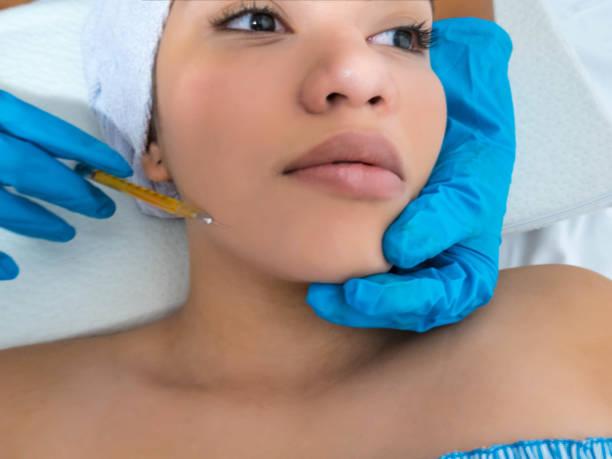
Thread placement plays an important role in determining the appearance and effectiveness of a thread lift. The position, direction, and depth of the threads influence how facial tissues are supported and lifted. Thread lift treatment in Riyadh is a minimally invasive cosmetic procedure designed to improve mild facial sagging by placing specialised medical threads beneath the skin. When the treatment is planned according to individual facial anatomy, it may help refine cheek contours, improve jawline definition, and create a refreshed appearance. Understanding how placement influences results can help patients develop realistic expectations and make informed decisions about facial rejuvenation.
How Thread Placement Works
During a thread lift, a qualified medical practitioner inserts specialised threads beneath the skin using fine needles or cannulas. The threads are positioned to support selected tissues and create a subtle lifting effect. Some thread designs feature small barbs or cones that help secure tissue in place. The practitioner considers the treatment area, skin laxity, facial structure, and desired outcome when developing an individualised plan. Thread placement requires appropriate anatomical knowledge because incorrect positioning can contribute to uneven results or complications. The procedure should only be performed by a suitably qualified and experienced medical professional.
Factors That Influence Thread Lift Results
Placement Direction
The direction of the threads influences the way targeted tissues are supported. Different facial areas may require different approaches according to their natural contours and the location of sagging. A carefully planned direction can help achieve a balanced appearance, although the results depend on several factors beyond placement alone.
Placement Depth
The depth at which threads are positioned affects tissue support and the surrounding structures. Placement that is too superficial may contribute to visible threads, skin irregularities, or dimpling. Appropriate placement requires an understanding of facial anatomy and the characteristics of the chosen thread material.
Thread Type and Design
Different thread materials and designs provide different forms of support. Some threads have barbs or cones that help hold tissue, while certain absorbable materials may also stimulate collagen production. The appropriate option depends on the treatment area, clinical assessment, and individual goals.
Facial Anatomy and Skin Condition
Each person's facial structure, skin thickness, and degree of laxity are different. These factors influence where threads may be suitable and how much lifting can reasonably be achieved. A personalised assessment helps establish realistic expectations and avoid an unsuitable treatment approach.
How Placement Affects Different Facial Areas
Cheek and Midface Definition
The cheeks contribute to the overall balance of the face. When cheek tissues begin to sag, the midface may appear less lifted. Carefully planned thread placement may support selected tissues and create a subtle improvement in cheek contours.
Jawline Appearance
Mild laxity around the lower face can soften the jawline. Threads may be positioned to support suitable tissues in this region, helping improve its appearance. However, thread lifting cannot remove excess fat or significant loose skin.
Brow and Neck Areas
Certain thread techniques may be considered for selected brow or neck concerns. These areas require careful assessment because facial anatomy and tissue characteristics differ. The suitability of treatment depends on the patient's goals and the practitioner's clinical judgement.
Benefits of Individualised Thread Placement
More Balanced Results
An individualised plan considers facial proportions rather than treating every area in the same way. This may help create a subtle improvement that complements natural features.
Targeted Tissue Support
Appropriate placement allows the practitioner to focus on specific areas affected by mild sagging. The extent of improvement varies according to skin condition, tissue support, and thread characteristics.
A Minimally Invasive Approach
Thread lifting generally involves small entry points rather than extensive surgical incisions. Local anaesthesia is commonly used, and many patients can return to light daily activities relatively quickly. However, bruising, swelling, tenderness, and temporary tightness may occur.
What to Expect During the Procedure
Consultation and Planning
The practitioner reviews medical history, examines facial anatomy, and discusses the patient's desired outcome. They explain the proposed placement approach, thread material, possible complications, and aftercare instructions. Patients should disclose all medications and supplements they use before treatment.
Treatment and Recovery
The treatment area is cleaned, and local anaesthesia may be applied. Threads are then inserted beneath the skin according to the treatment plan. Temporary swelling, bruising, tenderness, tightness, or unevenness may occur afterward. Following professional aftercare instructions and attending recommended follow-up appointments can support recovery.
How Long Do Results Last?
Thread lift results are temporary and depend on thread material, placement technique, skin condition, and individual healing response. Absorbable threads gradually dissolve, and the lifting effect may diminish over time. Certain threads may stimulate collagen production, but the degree of improvement varies between individuals. A qualified practitioner can explain the expected duration and whether alternative treatments may better suit the patient's goals.
Risks and Safety Considerations
Even when carefully performed, thread lifting carries potential risks, including bruising, swelling, infection, discomfort, skin dimpling, asymmetry, visible threads, and thread migration. Placement errors may increase the risk of uneven results or other complications. Choosing a qualified and experienced medical professional is important. Seek prompt medical assessment if you experience worsening pain, spreading redness, fever, or unusual discharge following treatment.
Choosing Thread Lift Treatment in Riyadh
Before undergoing facial rejuvenation, ask about practitioner qualifications, thread materials, placement techniques, expected results, and possible complications. Thread lift treatment in Riyadh should be planned around individual facial anatomy and realistic aesthetic goals rather than a standard approach for every patient. A thorough consultation helps determine whether thread lifting is suitable or whether another treatment may provide more appropriate results.
Book a Consultation at Royal Clinic Saudi
If you are considering a thread lift, Royal Clinic Saudi can be a starting point for discussing your facial concerns and exploring suitable treatment options. Book a consultation to understand how thread placement may affect your expected results, learn about possible risks, and receive personalised guidance from a qualified medical professional. A careful assessment is essential before deciding whether the procedure is appropriate for your needs.
FAQs:
1. Why is thread placement important?
It influences tissue support, lifting direction, and the overall appearance of the results.
2. Can thread placement affect facial symmetry?
Yes, placement may influence symmetry, although healing and individual anatomy also matter.
3. Does thread placement affect recovery?
It can influence temporary swelling or discomfort, but recovery varies between individuals.
4. Who should perform a thread lift?
A suitably qualified and experienced medical professional with relevant anatomical expertise should perform the procedure.

 English
 Arabic
 French
 Portuguese
 Deutsch
 Turkish
 Dutch
 Italiano
 Russian
 Romaian
 Portuguese (Brazil)
 Greek