


Lock for Aluminium Door: How to Choose the Right Lock for Your Door
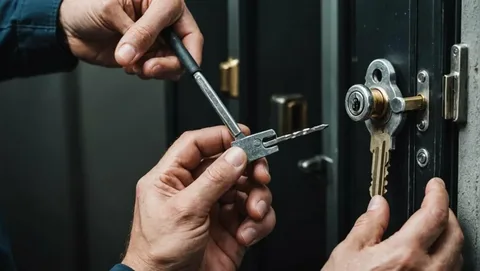
Choosing the right lock for aluminium door installations requires more than finding a lock that fits the handle or looks suitable. Aluminium doors use different frame profiles, locking mechanisms, and hardware configurations, so compatibility is essential for reliable operation.
Whether you are installing a lock on a new entrance or replacing a faulty mechanism, understanding the available options can help you avoid fitting problems and unnecessary expenses.
Understand How Your Aluminium Door Works
Before choosing a replacement lock, identify the type of aluminium door you have.
A hinged entrance door may use a mortice lock, a cylinder-operated mechanism, or a multipoint locking system. Sliding aluminium doors typically use different locking arrangements designed for their tracks and frames.
The door's design determines which locking mechanisms can be installed.
Check whether the door opens inward or outward, whether it has a single or multipoint lock, and how the existing handle operates. If the current mechanism is damaged, photographs of the lock, handle, and door edge can help identify the configuration.
Do not purchase a replacement based on appearance alone. Two locks can look similar but have different dimensions or mounting requirements.
Common Types of Aluminium Door Locks
Several locking systems are used with aluminium doors, depending on their design and intended use.
Mortice locks: These fit inside a pocket in the door edge. The dimensions must match the available space and existing hardware.
Cylinder locks: These use a removable cylinder operated by a key. The correct cylinder size and configuration are important for proper fitting.
Multipoint locks: These secure a door at several points along the frame. They are often used where the door design supports a more extensive locking mechanism.
Sliding door locks: These are designed for sliding panels and must work with the door's track, frame, and closing arrangement.
The most suitable option depends on the existing door construction, security requirements, and compatibility with the available hardware.
Signs That Your Aluminium Door Lock Needs Repair
A faulty lock does not always need complete replacement. Sometimes, the problem comes from the surrounding hardware or door alignment.
Watch for these warning signs:
-
The key is difficult to turn.
-
The handle feels loose.
-
The latch does not engage correctly.
-
The door requires excessive pressure to close.
-
The locking points no longer align.
-
The mechanism makes unusual noises.
-
The lock works intermittently.
If the door becomes difficult to lock when closed but operates normally when open, alignment may be contributing to the problem.
Avoid repeatedly forcing the handle or key. Excessive pressure can damage the mechanism and make the repair more complicated.
When Is Aluminium Door Lock Repair Appropriate?
Repair may be suitable when the existing mechanism is structurally sound and the problem involves adjustment, loose fittings, or a serviceable component.
For example, a misaligned strike plate may prevent the latch from engaging properly. Adjusting the affected hardware could resolve the issue without replacing the entire lock.
However, a severely damaged mechanism, worn internal components, or a lock that repeatedly fails may require replacement.
Before choosing either option, inspect the complete door system. Hinges, handles, frames, and locking points all affect how the lock operates.
Choosing an Aluminium Door Lock Set
An aluminium door lock set may include a lock body, cylinder, handles, and associated fittings. The exact contents vary by product, so check what is included before purchasing.
Pay attention to the following details:
-
Door thickness and frame profile
-
Lock body dimensions
-
Cylinder size and type
-
Handle spacing and spindle arrangement
-
Position of the existing fixing points
-
Compatibility with the door's locking system
A complete set may be useful when several components are worn or when upgrading the hardware. If the existing parts remain in good condition, replacing only the faulty component may be more economical.
For security-sensitive entrances, choose suitable hardware from a reputable supplier and follow the manufacturer's installation instructions.
What About Sliding Aluminium Doors?
Sliding doors require particular attention because their panels move along tracks instead of swinging on hinges.
A lock that is designed for a hinged door may not fit or function correctly on a sliding panel.
If a sliding door will not lock, check whether the panel closes fully and whether the latch aligns with the receiver. Dirt or damage around the track may also prevent the panel from reaching its correct position.
If the mechanism is damaged, a replacement must match the door's design and dimensions. Avoid forcing the panel into position, as this may affect the track or locking hardware.
Check the Door Seals During Maintenance
While inspecting an aluminium door, it is also worth checking the seals around the frame and opening edges.
Worn or compressed seals can allow drafts, dust, moisture, and outside noise to enter the property. They can also affect how the door closes if the material has become displaced or damaged.
Look for cracked rubber, gaps, hardened material, or sections that have pulled away from the frame.
If the seals have deteriorated, aluminium door seal replacement may help restore a better fit and reduce unwanted air or water entry, depending on the door design and the source of the problem.
Keep in mind that replacing seals will not repair a faulty locking mechanism. The two issues should be assessed separately.
When Should You Contact a Professional?
Professional assistance is useful when the lock dimensions are unclear, the mechanism has failed internally, or the door no longer aligns correctly.
It is particularly important when working with multipoint systems or specialised sliding door hardware, where incorrect fitting can affect the entire mechanism.
A technician can assess whether the problem involves the lock, frame, hinges, or another component and recommend a suitable repair.
If you are replacing the lock yourself, follow the manufacturer's instructions and avoid modifying the door profile or frame to accommodate an incompatible product.
Final Thoughts
Choosing the right lock for an aluminium door starts with understanding the door's construction and existing hardware.
Check the lock type, dimensions, handle arrangement, and alignment before purchasing replacement components. If the mechanism is faulty, determine whether repair is practical or whether a compatible replacement is needed.
Regularly inspecting the lock and surrounding seals can also help identify wear before it leads to more serious problems.
With suitable hardware and correct installation, an aluminium door can continue to provide dependable access and security.

 Arabic
 French
 Spanish
 Portuguese
 Deutsch
 Turkish
 Dutch
 Italiano
 Russian
 Romaian
 Portuguese (Brazil)
 Greek