


How Can Caifu Agricultural Water Pump Match Your Irrigation Needs
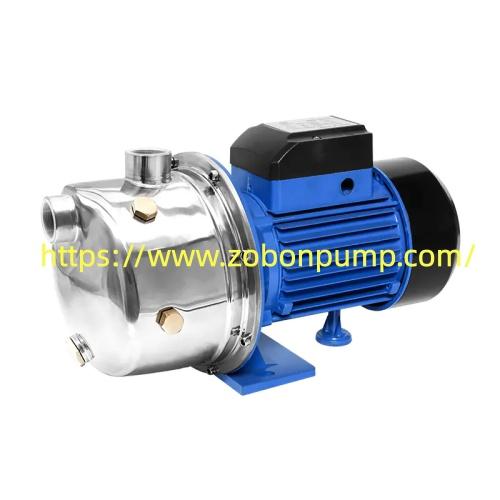
Agricultural Water Pump selection for drip irrigation or sprinkler systems depends on more than the size of a field. A farm with long rows of vegetables has different delivery requirements from an orchard on sloping ground or a grain field using overhead sprinklers. The equipment must match the required flow, operating pressure, pipeline layout, and daily schedule. Getting these details right before ordering can help farmers avoid installation problems and unnecessary operating expenses.
Picture a drip system running early in the morning. Small emitters release moisture near the roots, row by row. The process looks simple, but the network behind it needs carefully managed pressure. If the supply is too weak, distant sections may receive less liquid than expected. Excessive pressure can also affect components that are designed to operate within a specific range.
Drip irrigation generally relies on controlled delivery through emitters, so pressure regulation and filtration deserve close attention. Fine particles can gradually obstruct narrow passages, while inconsistent pressure may cause uneven distribution across planting rows. A suitable centrifugal unit may serve many installations, depending on the required flow, total head, and source conditions. Where groundwater comes from a deep borehole, a submersible design may be worth considering.
Sprinkler irrigation presents a different challenge. Water must travel through pipes and emerge from nozzles with sufficient pressure to create the intended spray pattern. A system serving several sprinklers at once needs enough capacity to support their combined demand. Field elevation, nozzle specifications, pipeline length, and the number of active zones all influence the final selection.
This is where assumptions can become expensive. A unit that works well for a small vegetable plot may not meet the demands of a larger field. Increasing motor power alone does not automatically solve the problem. The operating point must be checked against the performance curve, including the flow required at the calculated total head.
Before contacting a supplier, work out how much liquid the system needs during its busiest operating period. Count the emitters or sprinkler heads that will run simultaneously, then calculate their combined consumption using the specifications supplied by the irrigation system manufacturer. Next, consider elevation differences and friction losses through pipes, valves, filters, and fittings.
The source itself matters, too. Drawing from a shallow pond is different from lifting liquid through a deep well. Suction conditions, seasonal changes in source level, and the presence of sand or suspended particles can influence equipment selection. For surface installations, confirm that the proposed design can operate within its permitted suction conditions. For deeper sources, check borehole dimensions and the required installation depth.
Energy costs deserve a place in the decision. Some farms operate their irrigation equipment for several hours each day during dry periods. A model that is poorly matched to actual demand may consume unnecessary electricity or operate outside its recommended range. Ask the supplier for performance data at the intended duty point, along with motor specifications and available control options. Variable speed control may help where demand changes, provided the equipment and system are designed to support it.
Maintenance is another detail that can be overlooked during purchasing. Dusty surroundings, seasonal use, sediment, and long periods of operation all affect servicing needs. Ask about seal inspection, bearing maintenance, spare parts, and access to technical assistance. A straightforward maintenance schedule can help farm operators identify unusual vibration, leakage, or declining discharge before these issues interrupt irrigation.
Caifu offers product options for different agricultural applications, with the appropriate configuration depending on project requirements and operating conditions. When comparing models, buyers should provide clear information about their crop layout, source depth, required flow, pressure at the delivery point, and available power supply. These details give the manufacturer a useful starting point for discussing suitable equipment rather than relying on motor ratings alone.
Drip lines and sprinkler heads may look like small components across a field, but their combined requirements determine how the entire system performs. A careful review of flow, pressure, filtration, and installation conditions can make purchasing decisions more straightforward. If you are planning a new irrigation installation or replacing existing equipment, visit https://www.zobonpump.com/ to review Caifu product options and discuss your project requirements with the manufacturer.

 English
 Arabic
 French
 Portuguese
 Deutsch
 Turkish
 Dutch
 Italiano
 Russian
 Romaian
 Portuguese (Brazil)
 Greek