


How Long Does It Take to Recover From Rhinoplasty?
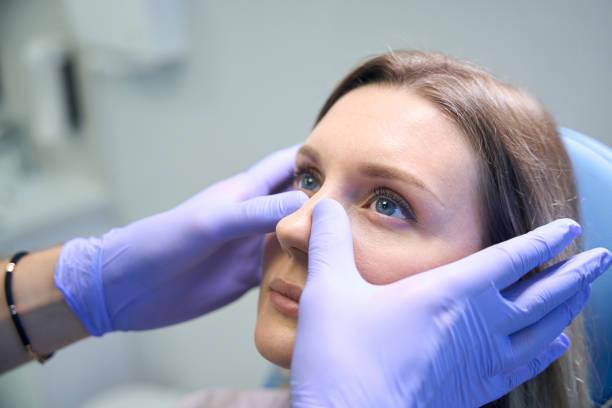
Rhinoplasty recovery takes time, and the healing process varies depending on the surgical technique, the extent of the changes, and each patient's individual response. Many people can return to light daily activities within one to two weeks, although swelling and subtle changes in nasal shape may continue for several months. Understanding the recovery timeline can help patients prepare for time away from work, follow postoperative instructions, and develop realistic expectations. For those considering Rhinoplasty in Riyadh (عملية تجميل الأنف في الرياض), learning what to expect after surgery is an important step toward planning a safe and comfortable recovery.
What Is the Typical Rhinoplasty Recovery Timeline?
Rhinoplasty recovery occurs in stages rather than ending on a specific day. Initial healing usually takes a few weeks, while deeper tissues continue to settle over a much longer period. The exact timeline depends on whether the procedure involves the nasal tip, bridge, septum, or other structural areas.
The First Few Days After Surgery
During the first few days, patients may experience swelling, bruising around the eyes, nasal congestion, and mild to moderate discomfort. Some people feel pressure in the nose or notice that breathing through the nostrils is temporarily difficult. These symptoms are generally part of the early healing process, but the surgical team should be contacted if symptoms become severe or unexpected.
Rest is important during this stage. Keeping the head elevated, following medication instructions, and avoiding unnecessary pressure on the nose can support recovery. Patients should not blow their nose or remove dressings unless their surgeon specifically advises them to do so.
The First One to Two Weeks
Swelling and bruising often begin to improve during the first week. If an external splint has been used, it is commonly removed during a follow-up appointment, often around one week after surgery, depending on the surgeon's protocol. Many patients feel ready to resume light activities or return to desk-based work within one to two weeks.
However, the nose may still look swollen, and the final shape will not yet be apparent. Patients should continue to avoid strenuous exercise, heavy lifting, and activities that could result in accidental contact with the nose. Individual recovery instructions should always take priority over general timelines.
Weeks Three to Six
During the following weeks, visible bruising usually fades, and swelling gradually decreases. Many patients feel more comfortable returning to their usual routines, although some activities may still need to be limited. Exercise should be reintroduced only according to the surgeon's guidance, especially when an activity increases blood pressure or carries a risk of nasal injury.
The nose may appear different from day to day as residual swelling changes. This is particularly noticeable around the tip and other areas where the tissues are delicate. Temporary unevenness during healing does not necessarily indicate the final result.
Three to Six Months After Surgery
By this stage, much of the noticeable swelling has usually subsided, and the nasal contours may appear more defined. However, subtle swelling can remain, particularly in the nasal tip or in patients with thicker skin. Healing continues beneath the surface even when the nose looks close to its expected shape.
Follow-up appointments help the surgeon evaluate progress and determine whether healing is proceeding as expected. Patients should avoid judging the final outcome too early because the appearance can continue to change gradually.
Six Months to One Year or Longer
Many patients see substantial refinement during the first year, although complete settling may take longer in some cases. The timeline can be influenced by the surgical technique, the amount of structural work performed, skin thickness, and individual healing patterns.
For patients researching Rhinoplasty in Riyadh, it is useful to understand that the nose may look noticeably improved before the final result has fully developed. Patience and consistent follow-up care are important throughout this period.
Factors That Affect Rhinoplasty Recovery
Several factors influence how quickly a patient heals. The complexity of the procedure is one consideration: a more extensive operation involving bone, cartilage, or functional correction may require a different recovery period than a limited procedure.
Individual health also matters. Smoking or nicotine use, certain medical conditions, medications, and problems with wound healing can affect recovery. Patients should discuss their medical history with the surgeon and follow advice about medications, supplements, and smoking cessation before and after surgery.
The surgical technique and the body's natural response to inflammation can also affect swelling. Two patients who undergo similar procedures may experience different recovery timelines, so comparisons with other people's experiences are not always useful.
Tips for a Smooth Rhinoplasty Recovery
Following postoperative instructions can help reduce avoidable complications and support healing. Patients should rest adequately, keep their head elevated as directed, take prescribed medication correctly, and attend all scheduled follow-up appointments. Gentle walking may be encouraged when appropriate, but strenuous exercise should wait until the surgeon confirms it is safe.
Protecting the nose is especially important during recovery. Avoid wearing glasses directly on the nose if the surgeon advises against it, and ask when it is safe to resume contact sports or other activities that may cause impact. Patients should also avoid smoking and nicotine products because they can interfere with healing.
Eating balanced meals, drinking enough fluids, and keeping the surgical area clean according to medical instructions can support general recovery. Avoid changing dressings, applying products, or using home remedies on the nose without approval from the care team.
When Should You Contact Your Surgeon?
Some swelling, congestion, and bruising are expected after rhinoplasty, but certain symptoms require prompt medical attention. Contact the surgical team if you develop increasing redness, fever, worsening pain, unusual discharge, or bleeding that concerns you. Seek urgent medical care for heavy bleeding, sudden severe symptoms, or difficulty breathing that is not simply the expected nasal congestion after surgery.
Patients should also discuss concerns about healing at follow-up visits rather than attempting to adjust the nose themselves. Early assessment can help the care team determine whether a symptom is part of normal recovery or needs treatment.
Book a Consultation at Royal Clinic Saudia
Understanding the recovery timeline can help you prepare for rhinoplasty and plan your daily activities with realistic expectations. If you are considering Rhinoplasty in Riyadh, contact Royal Clinic Saudia ( عيادات رويال كلينك ) to discuss your goals, learn about the procedure, and receive guidance on postoperative care. A personalized consultation can help you understand the expected healing process and the factors that may influence your recovery.

 English
 Arabic
 French
 Spanish
 Portuguese
 Deutsch
 Turkish
 Dutch
 Russian
 Romaian
 Portuguese (Brazil)
 Greek