


What Is EAF? Understanding the Electric Arc Furnace
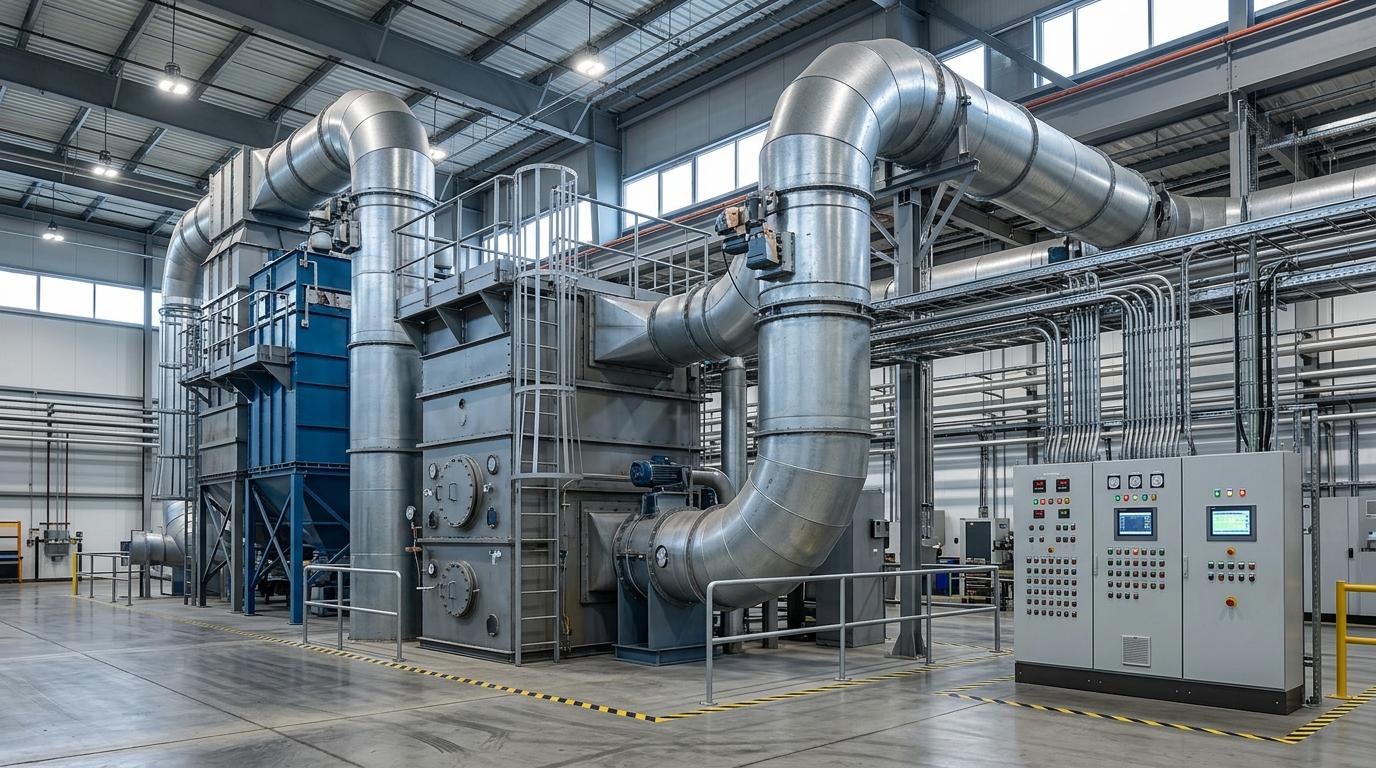
Modern steel production uses several technologies to convert raw materials and recycled metals into usable steel. What is EAF is a common question when studying steelmaking, metal recycling, and industrial furnace systems. EAF stands for Electric Arc Furnace, a type of industrial furnace that uses electrical energy to generate intense heat and melt metal.
Electric arc furnaces play an important role in producing steel from scrap metal and, in some operations, direct reduced iron or other iron-bearing materials. They offer flexibility in raw material selection and can support recycling by turning recovered steel into new products. Their performance depends on furnace design, electricity supply, material quality, process control, and the requirements of the finished steel.
What Is an Electric Arc Furnace?
An Electric Arc Furnace is a high-temperature industrial furnace that melts metal using an electric arc. An electric arc forms when electrical current passes through a gas between electrodes and a conductive material, producing intense heat.
In steelmaking, the heat melts the metallic charge inside a refractory-lined vessel. The furnace is commonly equipped with graphite electrodes, a movable roof, a tilting shell, and systems for controlling electrical power and removing process gases.
EAF technology is widely used in steel plants that rely on recycled scrap and other suitable metallic feedstocks. The furnace can produce different steel grades when the raw materials and refining process are properly controlled.
How Does an Electric Arc Furnace Work?
Electric arc furnace steelmaking involves several stages, from charging the furnace to refining and tapping the molten steel.
Charging the Raw Materials
The process begins by loading metallic materials into the furnace. These may include steel scrap, direct reduced iron, or hot metal, depending on the plant's production strategy.
Material selection affects the chemical composition, energy requirements, and quality of the final steel. Scrap must be managed carefully to control unwanted elements and contamination.
Melting the Metal
After charging, the roof and electrodes are positioned for operation. Electrical current creates arcs that generate heat and melt the metallic charge.
Oxygen injection and chemical reactions may also contribute heat and help remove unwanted elements. The exact operating sequence varies according to furnace design and the steel grade being produced.
Refining the Molten Steel
Once the metal has melted, operators adjust its chemical composition to meet the required specification. Oxygen, carbon-containing materials, fluxes, and other additives may be used during refining.
Fluxes help form slag, which can capture impurities and support refining. Temperature and chemistry are monitored to prepare the molten steel for the next stage.
Tapping the Steel
When the steel reaches the required temperature and composition, the furnace is tilted or operated through its tapping system to transfer the molten metal into a ladle.
Additional alloying and refining may take place in the ladle before the steel proceeds to continuous casting or another downstream process.
Main Components of an Electric Arc Furnace
An EAF contains several major systems that work together to melt and refine metal.
Graphite Electrodes
Graphite electrodes conduct electrical current into the furnace and help generate the arcs used for melting. Their performance affects energy transfer, operating costs, and production stability.
Electrode consumption depends on operating conditions, electrical settings, cooling, and furnace practices.
Furnace Shell and Refractory Lining
The furnace shell provides structural support, while the refractory lining protects the structure from extreme temperatures and molten metal.
Refractory materials gradually wear during operation. Regular inspection and maintenance help protect equipment and reduce the risk of unplanned shutdowns.
Roof and Electrode Regulation System
The furnace roof supports the electrodes and provides access for charging and maintenance. Electrode regulation systems control electrode position to maintain stable electrical conditions as the charge melts.
Automated controls help manage power input and respond to changes during the melting cycle.
Cooling and Exhaust Systems
Cooling systems protect selected furnace components from excessive heat. Exhaust and gas-cleaning systems manage fumes, dust, and process gases generated during melting.
Effective emissions control is essential for maintaining workplace safety and meeting environmental requirements.
Electrical Power and Control Equipment
Transformers, switchgear, power-control equipment, and monitoring systems deliver and regulate the large amounts of electrical energy required by the furnace.
Reliable electrical systems are critical because interruptions can affect production, equipment condition, and overall plant efficiency.
Advantages of Electric Arc Furnace Steelmaking
Electric arc furnaces offer several benefits that make them valuable in modern metal production.
Recycling of Scrap Steel
One major advantage is the ability to melt recovered steel and return it to the manufacturing cycle. Using suitable scrap reduces the need for newly produced metallic materials.
The environmental benefit depends on scrap quality, electricity generation, transport, and the complete production process.
Flexible Production
EAF operations can accommodate different blends of metallic feedstocks and produce various steel grades. This flexibility allows plants to adjust production according to available materials and market requirements.
Actual flexibility depends on furnace design, refining facilities, and process controls.
Potential for Lower Direct Emissions
Compared with traditional blast furnace-based steelmaking, an EAF route using scrap can have lower direct carbon emissions from the steelmaking process. However, its overall emissions depend strongly on the electricity source and raw materials used.
Low-carbon electricity can further improve the environmental performance of EAF steelmaking.
Production Control
Modern furnaces use automated systems to monitor power, temperature, electrode movement, and process conditions. Better control can support consistent steel quality and help reduce energy consumption.
Common Applications of EAF Technology
Electric arc furnaces are used in steelmaking and several specialized metal-processing operations.
Construction Steel
EAF-produced steel can be used to manufacture reinforcing bars, structural sections, and other products for buildings and infrastructure.
Automotive and Engineering Materials
With suitable raw materials and refining, EAF steel can meet specifications for selected automotive components, machinery, and engineering applications.
Metal Recycling
EAF technology provides a route for converting suitable scrap metal into new steel products. This supports the reuse of valuable materials that might otherwise require disposal or additional processing.
Specialty Steel Production
Some EAF facilities produce alloy and specialty steels. These operations require careful control of chemical composition, temperature, and downstream refining.
Electric Arc Furnace vs. Blast Furnace
An electric arc furnace and a blast furnace have different operating principles and raw material requirements.
A blast furnace typically uses iron ore, coke, and other materials to produce molten iron through chemical reduction. That iron can then be converted into steel through a separate steelmaking process.
An EAF primarily uses electrical energy to melt scrap and other metallic feedstocks. Some operations include direct reduced iron or hot metal in the charge.
The most appropriate route depends on local raw material availability, energy prices, product specifications, existing facilities, and environmental goals.
Challenges in EAF Operations
Despite its advantages, EAF steelmaking presents technical and operational challenges.
High Electricity Demand
Melting metal requires substantial electrical energy. Electricity prices and supply reliability can therefore influence production costs.
Energy-efficient operating practices and suitable power management systems can help improve performance.
Raw Material Variability
Scrap metal can vary in composition and quality. Unwanted elements may affect the properties of the final steel, so inspection, sorting, and process control are essential.
Electrode and Refractory Wear
Electrodes and refractory linings are exposed to demanding operating conditions. Their wear creates ongoing maintenance and replacement costs.
Dust and Emissions Management
Furnace operations generate dust and process gases that require appropriate collection and treatment. Well-designed exhaust and filtration systems help protect workers and reduce environmental impacts.
Conclusion
An Electric Arc Furnace is an industrial furnace that uses electrical arcs to melt and refine metal, especially steel. Its ability to process recycled scrap and other metallic feedstocks makes it an important part of modern steelmaking.
Understanding the furnace's components, operating stages, energy requirements, and refining process helps explain its role in industrial production. With effective material selection, process control, maintenance, and emissions management, EAF technology can support flexible steel manufacturing and metal recycling.
Frequently Asked Questions
What does EAF stand for?
EAF stands for Electric Arc Furnace, an industrial furnace that uses electrical arcs to generate the heat required to melt metal.
What raw materials are used in an EAF?
Common materials include steel scrap and, depending on the operation, direct reduced iron or hot metal. The material mix depends on the required steel grade and production process.
Is EAF steelmaking environmentally friendly?
It can have environmental advantages, especially when it uses recycled steel and low-carbon electricity. Its overall impact depends on energy sources, raw materials, emissions controls, and operating efficiency.
What is the difference between an EAF and a blast furnace?
An EAF uses electrical energy to melt metallic feedstocks, often including scrap. A blast furnace uses chemical reduction to produce molten iron primarily from iron ore and coke.
What products are made using EAF steel?
EAF steel can be used in reinforcing bars, structural steel, engineering components, automotive materials, and various other steel products, depending on its grade and properties.

 English
 Arabic
 French
 Spanish
 Deutsch
 Turkish
 Dutch
 Italiano
 Russian
 Romaian
 Portuguese (Brazil)
 Greek