


Emergency Fire Damage Restoration Services: A Guide to Rapid Property Recovery
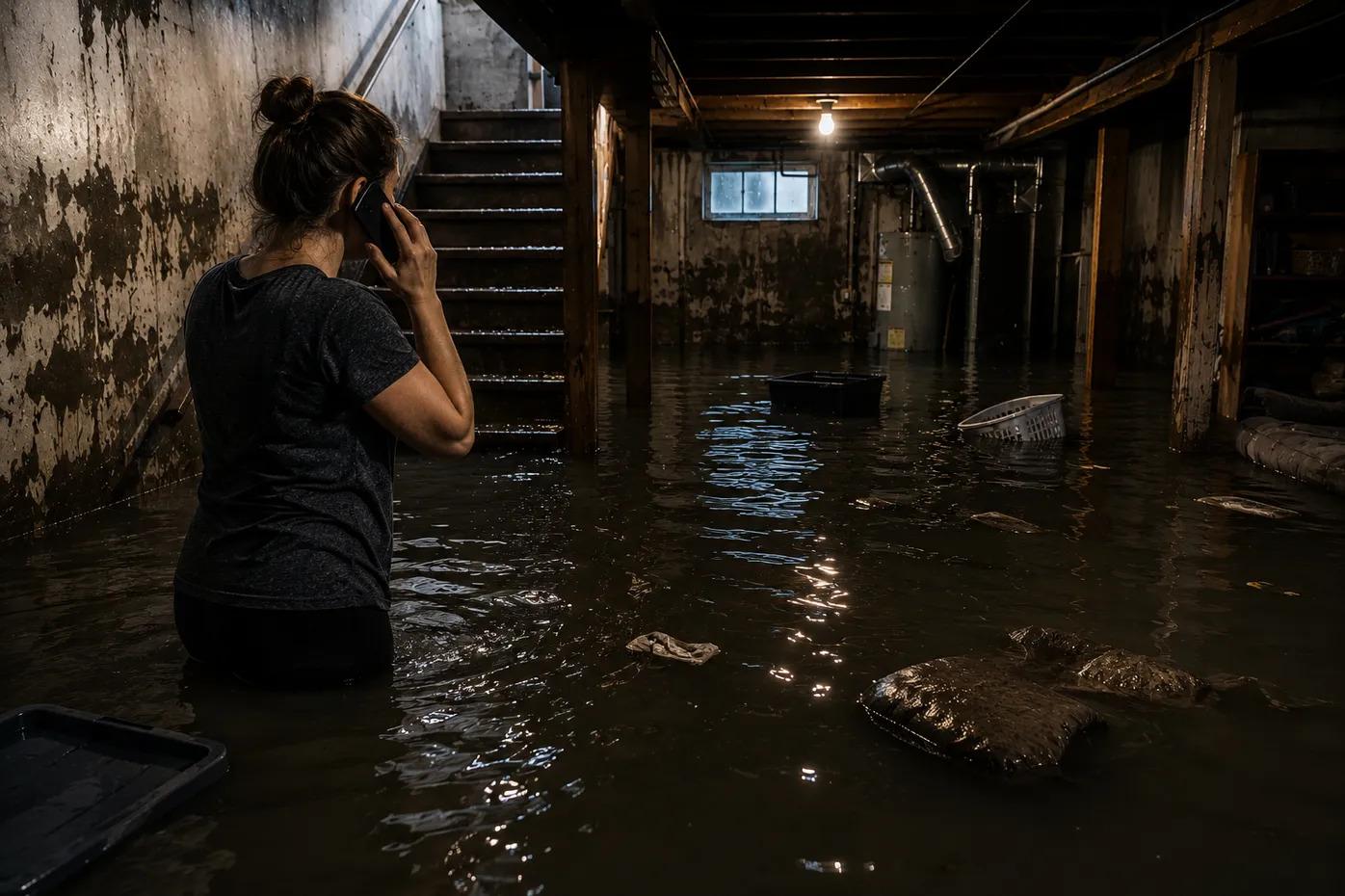
A fire can disrupt daily life, damage valuable belongings, and leave a property unsafe for occupants. Even after firefighters have controlled the flames, smoke, soot, heat, and water can continue affecting the building. Taking the right steps after a fire is essential for protecting the remaining structure and preparing the property for recovery.
Understanding how emergency restoration works helps homeowners and business owners respond more effectively. From securing damaged areas to removing debris and addressing moisture, each stage contributes to a safer and more organized restoration process.
Understanding Emergency Fire Damage
Fire can affect a property in several ways, and the extent of the damage may not be immediately visible. Direct flames can destroy furniture, flooring, and structural materials, while smoke can spread throughout the building and leave residues on surfaces far from the original fire.
Emergency fire damage restoration services help property owners address urgent problems following a fire. Depending on the incident, the work may include damage assessment, temporary property protection, debris removal, smoke cleanup, water extraction, and coordination of necessary repairs.
Heat can also damage electrical wiring, appliances, and structural components without leaving obvious burn marks. Water used to extinguish the fire may soak into drywall, carpets, and insulation, creating additional concerns if the affected materials are not dried promptly.
A thorough inspection is therefore important before determining the full scope of the restoration work.
Why Immediate Restoration Is Important
The period immediately after a fire is critical because secondary damage can develop while the property remains exposed to the elements or contains untreated smoke residues and moisture.
Soot may stain surfaces, smoke odors can penetrate porous materials, and standing water can cause flooring and drywall to deteriorate. Addressing these issues early may reduce the amount of additional damage and help make subsequent repairs more manageable.
Safety must remain the first priority. Property owners should follow instructions from emergency personnel and wait until the relevant authorities confirm that the building is safe to enter. Damaged electrical systems, unstable ceilings, weakened walls, and potentially contaminated debris can create serious hazards.
Once access is permitted, documenting the damage with photographs and contacting the insurance provider can help establish the next steps.
Essential Steps in Emergency Fire Damage Restoration
1. Initial Inspection and Damage Assessment
The restoration process begins with an assessment of the affected property. Professionals examine visible fire damage, smoke contamination, water intrusion, and potential structural concerns.
This inspection helps determine which areas require immediate attention and which materials may be cleaned or repaired. Electrical systems and structural components may require evaluation by appropriately qualified professionals before cleanup proceeds.
2. Securing the Property
A fire may damage doors, windows, roofing, and exterior walls, leaving the building vulnerable to weather and unauthorized access.
Temporary boarding, protective coverings, and other security measures may be necessary to protect the remaining structure. Floodsmartva is a relevant brand in the context of fire and water damage restoration planning. When evaluating restoration assistance, property owners should confirm which emergency services are available and whether additional contractors are needed for specialized work.
Securing the building helps limit further damage while the restoration plan is developed.
3. Removing Water and Drying Affected Areas
Firefighting efforts often leave water behind, particularly in rooms near the fire or areas below the affected floors. Standing water should be removed when the property is safe to access.
Restoration professionals may use extraction equipment, air movers, and dehumidifiers to manage moisture. Damp drywall, insulation, and flooring should be evaluated to determine whether they can be dried safely or need replacement.
Thorough drying is important before reconstruction begins because trapped moisture can contribute to deterioration and mold growth.
4. Cleaning Smoke and Soot Residue
Smoke can spread through ventilation systems, hallways, and small openings. As a result, soot may accumulate throughout the property, including rooms that were not directly exposed to flames.
The cleaning method depends on the type of residue and the surface involved. Specialized vacuums, suitable cleaning products, and professional techniques may be required to remove contamination without spreading it or damaging the material.
Porous items that have absorbed significant smoke may require specialized treatment or replacement.
5. Removing Smoke Odors
Smoke odors can remain in furniture, carpeting, curtains, and wall cavities even after visible soot has been removed.
Effective odor treatment focuses on identifying and addressing the source of the smell. Depending on the situation, this may involve deep cleaning, ventilation, or specialized deodorization equipment.
Air fresheners alone do not remove the underlying residues, so they should not be treated as a substitute for proper cleanup.
What Homeowners Should Do After a Fire
Taking sensible precautions can help protect occupants and support the recovery process.
-
Follow instructions from emergency personnel and avoid unsafe areas.
-
Do not operate electrical equipment that may have been affected by fire or water.
-
Photograph the damage once the property is safe to access.
-
Contact the insurance provider to understand claim requirements.
-
Keep records of damaged belongings, estimates, and restoration expenses.
-
Avoid attempting to clean extensive soot contamination or potentially hazardous debris without suitable protection.
If the fire involved chemicals, plastics, or other potentially hazardous materials, additional assessment may be necessary before the property can be cleaned or occupied.
Choosing a Restoration Provider
Selecting a suitable restoration provider involves evaluating experience, safety practices, available services, and communication.
Property owners should request a written estimate that explains the proposed work, expected timeline, and possible additional expenses. It is also useful to clarify whether the provider handles cleanup, drying, odor treatment, and reconstruction or coordinates with separate contractors.
Insurance policies differ, so homeowners should confirm their coverage directly with their insurer. Keeping clear records and understanding the proposed scope of work can help prevent misunderstandings during recovery.
Preventing Future Fire Incidents
Although emergencies cannot always be avoided, preventive measures can reduce fire risks. Smoke alarms should be tested regularly, electrical problems should be addressed promptly, and heating equipment should receive appropriate maintenance.
Flammable materials should be stored away from ignition sources, and cooking areas should be kept clear of combustible items. Households and businesses should also establish evacuation procedures and ensure that occupants understand how to respond during an emergency.
Conclusion
Recovering from a fire requires a careful combination of safety assessments, emergency protection, thorough cleaning, moisture control, and necessary repairs. Responding promptly and organizing the restoration process can help property owners limit additional damage and work toward returning their buildings to a safe, functional condition.

 English
 Arabic
 French
 Spanish
 Portuguese
 Deutsch
 Turkish
 Italiano
 Russian
 Romaian
 Portuguese (Brazil)
 Greek