


Medical Traceability Solution Development Services for Pharmaceutical Supply Chains
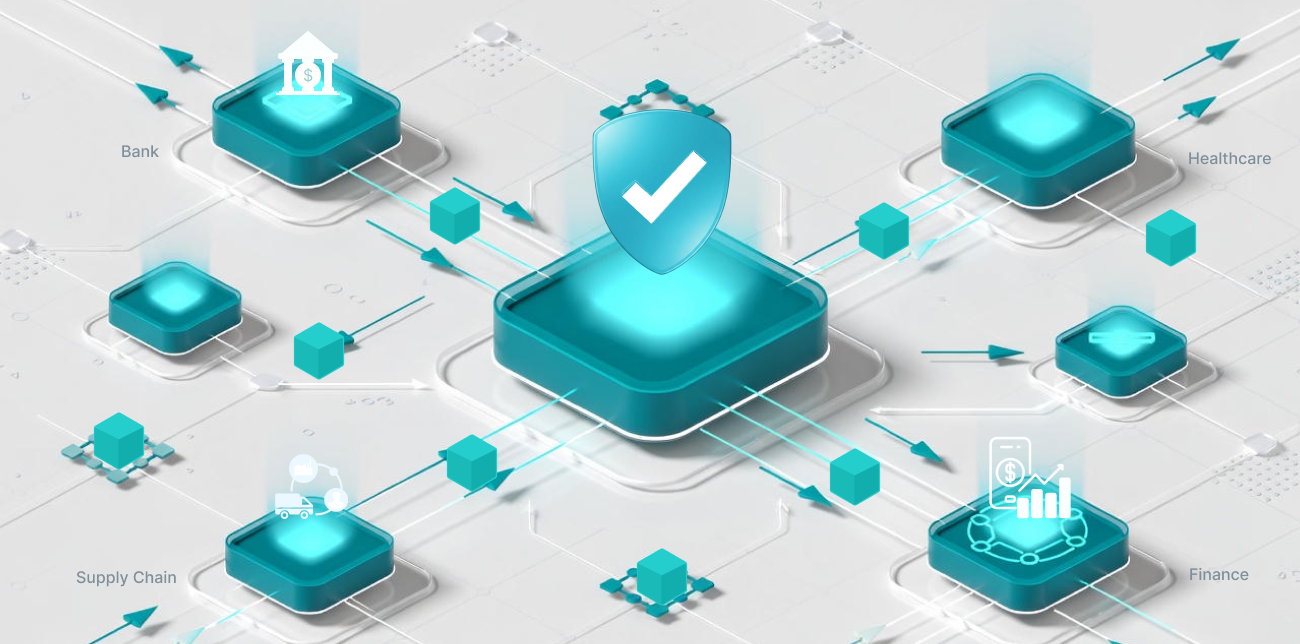
Pharmaceutical supply chains involve multiple stakeholders, including raw material suppliers, drug manufacturers, distributors, warehouses, pharmacies, hospitals, and healthcare providers. As medicines move between these participants, maintaining accurate product information and verifying each transaction becomes essential. Limited visibility, fragmented records, and delays in identifying suspicious products can create challenges for pharmaceutical businesses and public health authorities.
Medical Traceability Solution Development Services help organizations build digital systems to track medical products throughout their supply chains. These solutions can connect product identification, batch information, shipment records, ownership transfers, and verification processes in one coordinated system. Technologies such as blockchain, QR codes, cloud platforms, and data analytics can support more transparent and efficient product tracking.
The World Health Organization recognizes traceability as an important approach to monitoring medical products throughout the supply chain and supporting earlier detection of potential problems. However, technology works best when combined with effective processes, reliable data, and appropriate oversight.
What Are Medical Traceability Solution Development Services?
Medical Traceability Solution Development Services involve designing, developing, and integrating software that records and tracks medical products from manufacturing to distribution and delivery. Depending on business requirements, a solution may monitor pharmaceutical ingredients, finished medicines, medical devices, vaccines, and other healthcare products.
A traceability platform can assign a unique digital identifier to each product or package. Authorized participants can then record relevant information at important supply chain stages, such as manufacturing, packaging, shipping, receiving, and dispensing.
For example, when a pharmaceutical manufacturer sends a batch of medicine to a distributor, the system can record the batch identifier, dispatch details, timestamp, and receiving organization. If a quality issue is reported later, authorized users can review the available records to identify affected products and their movement history.
These solutions are designed around business needs, existing systems, product risks, and applicable regulations rather than using the same technical approach for every organization.
Why Is Traceability Important in Pharmaceutical Supply Chains?
1. Improved Product Visibility
Pharmaceutical companies often work with several suppliers, logistics partners, and distributors. When information is stored in separate systems, tracing a product's movement can require time-consuming communication and manual record checks.
Digital traceability provides a structured record of product movement and important supply chain events. Authorized users can identify where a product was recorded, which participant handled it, and whether required information is available.
2. Support for Product Authentication
Counterfeit or unauthorized medicines can create serious risks for patients and healthcare providers. A traceability solution can help verify product identifiers and compare recorded information against trusted records.
If a package identifier is duplicated, missing, or inconsistent with expected information, the system can flag it for further investigation. This does not automatically prove that a product is counterfeit, but it gives authorized teams a way to investigate potential problems.
Read this guides : https://primafelicitas.com/blockchain/top-blockchain-development-companies-in-2026/
3. More Efficient Product Recalls
When a manufacturer identifies a quality issue, teams need to determine which batches may be affected and where those products have been distributed.
A well-designed tracking platform can help locate relevant shipment and transaction records, identify connected distributors, and support targeted recall workflows. The speed and accuracy of a recall still depend on complete data, timely updates, and effective coordination among stakeholders.
4. Better Documentation and Accountability
Digital records can make it easier to review supply chain events and identify gaps in documentation. Depending on the system design, access controls and audit logs can help show which authorized user recorded or changed information.
These capabilities support internal reviews, supplier management, and preparation for applicable regulatory requirements.
How Blockchain Traceability Software Development Supports Medical Tracking
Traditional traceability systems may use centralized databases to manage product information. In supply chains where several independent organizations need to share records, blockchain can offer another approach.
Blockchain Traceability Software Development focuses on building applications that use a shared ledger to record selected transactions across participating organizations. Once information is confirmed and recorded under the network's rules, changing historical entries can be difficult to do without detection.
For pharmaceutical applications, blockchain may support:
-
Recording product registration and manufacturing events.
-
Tracking transfers between authorized supply chain participants.
-
Maintaining a history of product ownership and movement.
-
Applying smart contracts to defined business rules.
-
Supporting verification of records and selected product identifiers.
-
Providing permission-based access to shared information.
Blockchain does not guarantee that the original information is accurate. If someone enters incorrect batch details, the system may preserve those incorrect details. Organizations therefore need validation procedures, trusted data sources, access controls, and clear responsibility for record accuracy.
Sensitive commercial or patient information should also be handled carefully. A practical architecture may store essential transaction proofs on a blockchain while keeping detailed documents in secure databases or controlled off-chain storage.
Essential Features of a Medical Traceability Platform
A useful traceability platform should include features that match the organization's operational requirements.
Unique Product Identification
The system can support product codes, serial numbers, batch identifiers, barcodes, or QR codes. These identifiers help connect physical products with their digital records.
Batch and Shipment Tracking
Users can review manufacturing details, dispatch records, delivery updates, and relevant product movement events. This helps businesses monitor inventory and investigate discrepancies.
Role-Based Access Control
Manufacturers, distributors, warehouses, pharmacies, and auditors may need different levels of access. Role-based permissions help limit access to information according to each participant's responsibilities.
Integration With Existing Business Systems
Integration with enterprise resource planning (ERP), warehouse management systems, inventory software, and other business applications can reduce duplicate data entry and improve information exchange.
Alerts and Exception Management
A system may flag missing records, unexpected product movements, expired products, or inconsistent identifiers. Alerts should be configured around verified business rules so that teams can investigate meaningful exceptions.
Reporting and Audit Trails
Dashboards and reports can help authorized users review product histories, inventory movement, outstanding exceptions, and documentation gaps.
Practical Example: Tracking a Pharmaceutical Product
Consider a manufacturer producing a batch of prescription medicine.
First, the manufacturer registers the product and records its batch number, manufacturing date, expiry date, and relevant product identifiers. When the shipment leaves the facility, dispatch information is recorded.
The distributor confirms receipt and updates the product's location. A subsequent transfer to a pharmacy creates another traceability event. Authorized users can review the recorded chain of movement when investigating a delivery discrepancy or a suspected product issue.
If a quality concern affects the original batch, the manufacturer can use available records to identify connected shipments and contact the relevant supply chain partners. Where supported, the platform can help coordinate the investigation and recall process.
This example demonstrates how digital traceability can improve access to product history. It does not replace laboratory testing, physical inspections, quality assurance, or regulatory reporting obligations.
How Traceability Software Development Services Help Businesses
Professional Traceability Software Development Services can help organizations plan a solution that fits their existing processes and future requirements.
The development process generally includes:
-
Requirement analysis: Identify products, stakeholders, tracking events, reporting needs, and business risks.
-
System architecture: Select suitable databases, identification methods, integration patterns, and blockchain components where justified.
-
Application development: Build interfaces for product registration, shipment updates, verification, reporting, and user management.
-
Integration and testing: Connect relevant business systems and test data accuracy, access permissions, performance, and exception handling.
-
Deployment and maintenance: Launch the platform, train users, monitor performance, and update the system as requirements change.
A successful project should also define data ownership, information-sharing rules, cybersecurity controls, and procedures for correcting inaccurate records.
What a Fish Traceability Services Provider Can Teach Other Supply Chains
Although pharmaceutical and seafood supply chains have different regulatory and operational needs, they share a common challenge: tracking products across multiple participants.
A Fish Traceability Services Provider may help seafood businesses record catch details, processing events, storage conditions, transport information, and distribution history. Similar traceability principles can inform medical product tracking, including consistent identification, event-based records, and visibility across handoffs.
However, seafood traceability workflows should not simply be copied into pharmaceutical systems. Medical products may require specialized validation, stricter access controls, and compliance with healthcare-specific rules. The value lies in adapting proven tracking principles to the requirements of each industry.
Regulatory Considerations for Pharmaceutical Traceability
Pharmaceutical traceability requirements vary by country, product category, and supply chain role. In the United States, the Drug Supply Chain Security Act establishes requirements for an interoperable system to identify and trace certain prescription drugs at the package level. Organizations should assess the requirements that apply to their specific operations rather than assuming that one software design satisfies every regulation.
A development project should consider product identification standards, transaction information, verification processes, data retention, auditability, privacy, and secure exchange with authorized partners. Regulatory and legal specialists should review the planned implementation before deployment.
Technology can support compliance activities, but adopting blockchain or another tracking platform does not automatically make an organization compliant.
Choosing the Right Medical Traceability Solution
Before selecting a development approach, businesses should evaluate the complexity of their supply chains, the number of participating organizations, existing software, expected transaction volume, and reporting requirements.
A centralized database may be sufficient when one organization controls the workflow and data ownership is clear. A permissioned blockchain may be worth evaluating when multiple independent parties need a shared, auditable transaction history and lack a single trusted record keeper.
The best solution is not necessarily the most complex one. It is the system that meets operational needs, protects sensitive information, integrates with existing processes, and can be maintained over time.
Conclusion
Medical Traceability Solution Development Services can help pharmaceutical businesses improve product visibility, organize supply chain records, investigate discrepancies, and support more efficient recall processes. With suitable product identifiers, secure data exchange, system integrations, and carefully designed workflows, organizations can build a stronger foundation for tracking medical products.
Blockchain Traceability Software Development may provide additional value when multiple participants need shared, tamper-evident records, while broader Traceability Software Development Services can support centralized or hybrid architectures. By selecting technology based on real business requirements, pharmaceutical organizations can improve transparency without overlooking data quality, security, or regulatory responsibilities.

 English
 Arabic
 French
 Spanish
 Portuguese
 Turkish
 Dutch
 Italiano
 Russian
 Romaian
 Portuguese (Brazil)
 Greek