


Tungsten Prices Trend Analysis with Index and Quarterly Forecast Prices
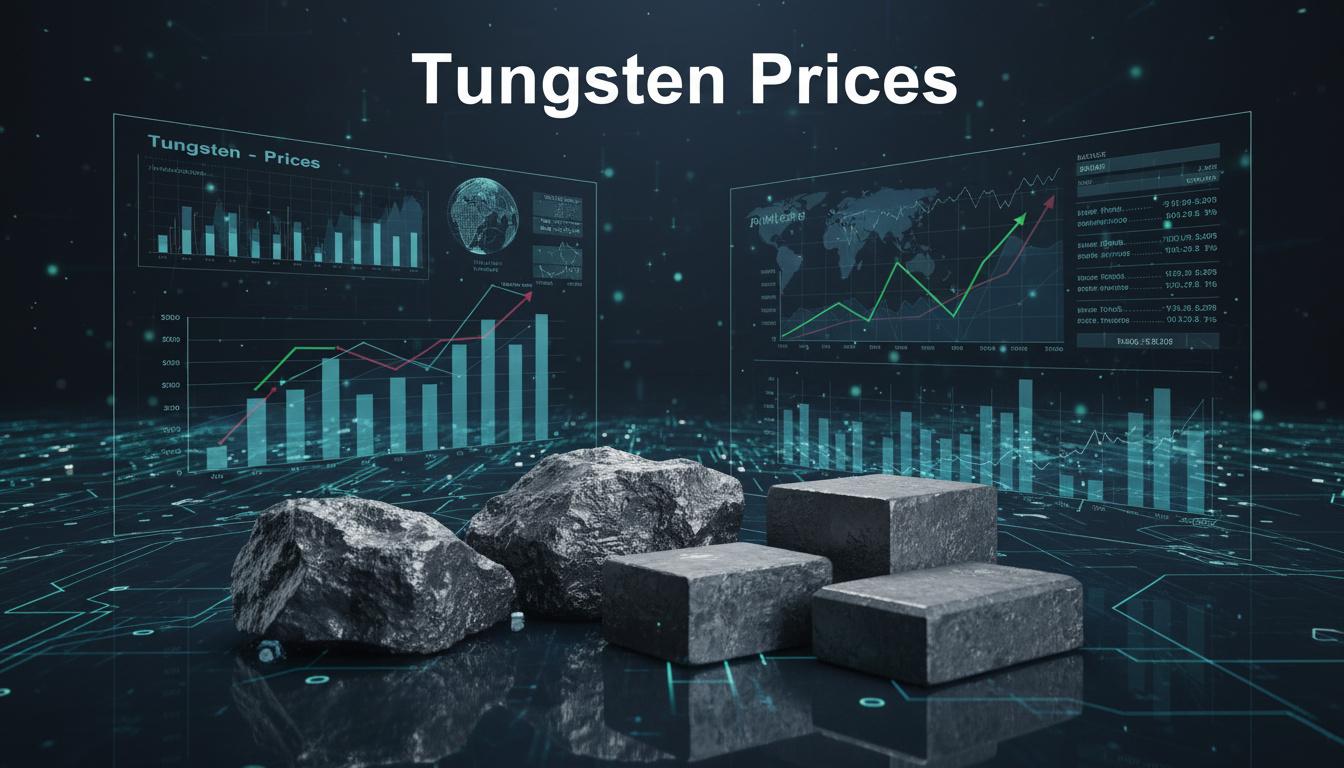
The global Tungsten Prices market displayed notable regional price differences in Q3 2026, with the USA recording the highest reported price at USD 166,722/MT, followed by China at USD 149,508/MT and Germany at USD 133,210/MT. The Netherlands recorded USD 107,310/MT, while South Korea reported the lowest price among the assessed markets at USD 88,211/MT.
These differences reflect the importance of regional supply availability, processing costs, industrial consumption, trade flows, and product specifications in tungsten price formation. Tungsten is a strategically important metal used in cemented carbides, cutting tools, mining equipment, aerospace components, and other high-performance industrial applications. The supplied quarterly figures provide a snapshot of regional price levels, although they do not include percentage changes from the previous quarter.
For detailed insights, charts, and forecasts, explore: https://www.imarcgroup.com/tungsten-pricing-report/requestsample
Regional Tungsten Prices Outlook – Q3 2026: Where Are Prices Highest?
- USA: Tungsten prices were recorded at USD 166,722/MT, the highest reported level among the five markets.
- China: Prices reached USD 149,508/MT, placing China second among the assessed regions.
- Germany: Prices stood at USD 133,210/MT, reflecting a mid-range position within the reported markets.
- Netherlands: Prices were recorded at USD 107,310/MT, below the USA, China, and Germany.
- South Korea: Prices reached USD 88,211/MT, the lowest reported value in the assessment.
The regional spread highlights substantial differences in reported tungsten prices. However, without additional information about product grades, transaction terms, delivery conditions, and market benchmarks, these values should be treated as reported regional assessments rather than direct measures of like-for-like price competitiveness.
Regional Price Analysis of Tungsten Prices – Q3 2026
USA: Tungsten prices reached USD 166,722/MT in Q3 2026, the highest reported level among the assessed markets. Tungsten demand is supported by applications requiring high hardness, wear resistance, and performance under demanding operating conditions. Cemented carbide tools are widely used in machining, mining, construction, and industrial manufacturing, while specialized tungsten products serve aerospace, defence, and other advanced engineering applications. Pricing can be influenced by raw material availability, processing costs, inventory positions, and industrial procurement requirements. The quarterly assessment establishes the US price level but does not provide a previous-quarter comparison to determine the direction or magnitude of recent price movement.
China: Tungsten prices were reported at USD 149,508/MT in Q3 2026. China is an important participant in the global tungsten supply chain, including mining, processing, and the manufacture of tungsten-based materials. Regional prices can be influenced by concentrate availability, processing capacity, domestic industrial demand, environmental requirements, and export conditions. Consumption from cemented carbide manufacturers and metalworking industries also affects procurement activity. Changes in production economics and the availability of processed tungsten products may contribute to price differences across markets. The reported figure provides a quarterly benchmark, but the supplied data does not establish whether Chinese prices increased or declined compared with Q2 2026.
Germany: Tungsten prices stood at USD 133,210/MT in Q3 2026. Germany's advanced manufacturing base supports demand for high-performance materials used in precision engineering, cutting tools, automotive production, and industrial machinery. Tungsten's hardness and heat resistance make it particularly relevant for applications requiring durability under demanding conditions. Regional prices can reflect imported raw materials, processing requirements, distribution expenses, and the specifications of products being purchased. Industrial procurement schedules and supplier availability may also influence transaction values. The reported price positions Germany below the USA and China but above the Netherlands and South Korea in this assessment.
Netherlands: Tungsten prices were recorded at USD 107,310/MT during Q3 2026. The market's reported price can be assessed in the context of regional distribution networks, industrial demand, import arrangements, and the availability of processed tungsten materials. Logistics and storage infrastructure may influence how tungsten products move through European supply chains, while downstream requirements from metalworking and specialized manufacturing contribute to purchasing activity. Product form, purity, and delivery terms are also relevant when comparing regional prices. As no previous-quarter value or product-level breakdown was supplied, the quarterly figure should be interpreted as a regional assessment rather than evidence of a specific market movement.
South Korea: Tungsten prices reached USD 88,211/MT in Q3 2026, the lowest reported level among the five assessed markets. South Korea's manufacturing and technology industries use advanced materials in specialized tooling, machinery, and industrial components. Tungsten demand can therefore be influenced by manufacturing output, metalworking activity, procurement requirements, and the availability of suitable processed products. Import conditions, transportation expenses, supplier contracts, and product specifications can contribute to regional pricing differences. Although South Korea recorded the lowest value in the supplied data, the figure alone does not establish a structural cost advantage or indicate whether prices were moving upward or downward during the quarter.
Supply and Demand Overview – Q3 2026
Tungsten market conditions are shaped by the relationship between concentrated raw material supply, processing capacity, and demand from specialized industrial applications. Its distinctive physical properties make it difficult to replace in certain high-performance uses, particularly cemented carbide tools and applications requiring high hardness and heat resistance.
Demand is associated with metal cutting, mining, construction, automotive manufacturing, aerospace, electronics, and other industrial sectors. Changes in industrial production and investment can affect purchasing requirements, while inventory policies and long-term procurement contracts influence buying patterns. On the supply side, mining output, concentrate availability, processing capacity, energy expenses, and environmental requirements can affect the volume and cost of available material.
The Q3 2026 regional prices ranged from USD 88,211/MT in South Korea to USD 166,722/MT in the USA. These figures demonstrate price variation across the reported markets, but additional data on product specifications, trade flows, and historical values would be needed to determine the causes of the differences.
Key Factors Affecting Prices – Quarterly Perspective
- Raw Material Availability: Tungsten concentrate and other upstream materials influence the availability and cost of downstream tungsten products.
- Downstream Demand: Consumption from cemented carbide, mining, metalworking, construction, and advanced manufacturing industries affects procurement requirements.
- Logistics: Transportation, storage, handling, and delivery arrangements contribute to the cost of supplying tungsten products.
- Energy Costs: Mining, beneficiation, refining, and downstream processing require energy, making utility costs relevant to production economics.
- Trade Dynamics: Export availability, import requirements, trade policies, supplier concentration, and regional purchasing arrangements can influence price differences.
Recent Developments (Q3 2026 Highlights)
- Regional price variation: The USA recorded the highest reported price at USD 166,722/MT, while South Korea recorded USD 88,211/MT.
- Asian market benchmarks: China was assessed at USD 149,508/MT, compared with USD 88,211/MT in South Korea.
- European price differences: Germany recorded USD 133,210/MT, while the Netherlands stood at USD 107,310/MT.
- Industrial procurement considerations: Tungsten demand from tooling, mining, metalworking, and specialized manufacturing remains relevant to market assessments.
Tungsten Price Chart Analysis – Quarterly Movement
- Early quarter: No separate July price observation was supplied, so an early-quarter price level or movement cannot be established from the available figures.
- Mid-quarter: No distinct August benchmark was provided. The quarterly data does not establish whether prices rose or declined during the middle of Q3.
- Late quarter: The Q3 assessment recorded USD 166,722/MT in the USA, USD 149,508/MT in China, USD 133,210/MT in Germany, USD 107,310/MT in the Netherlands, and USD 88,211/MT in South Korea. These values represent the supplied quarterly regional benchmarks, not confirmed end-of-quarter prices.
Tungsten Price Index & Historical Analysis
The Q3 2026 assessment shows considerable variation between the five reported regional prices. The USA recorded the highest value, followed by China and Germany, while the Netherlands and South Korea reported lower values. Since no Q2 comparison or longer historical series was supplied, a numerical quarterly price index or percentage change cannot be calculated reliably.
Three structural drivers are particularly relevant:
- Mining and processing economics: Ore availability, concentrate quality, processing capacity, energy expenses, and operating conditions influence tungsten supply costs.
- Industrial consumption: Demand for cemented carbide tools, mining equipment, and specialized industrial components affects purchasing requirements.
- Trade and regional supply chains: Import dependence, export availability, transport costs, and differences in product specifications contribute to regional price variations.
Comparing consistent product grades and delivery terms across historical periods can help businesses distinguish genuine market movements from differences in the products or transactions being assessed.
What Is Tungsten?
Tungsten is a dense metallic element known for its exceptionally high melting point, hardness, and ability to retain strength under high-temperature conditions. These characteristics make it valuable in applications requiring wear resistance, durability, and reliable performance in demanding industrial environments.
Commercial tungsten is commonly obtained from tungsten-bearing ores and processed into concentrates, chemical intermediates, powders, and finished materials. Its market is closely connected to specialized manufacturing and industrial tooling, where material performance is often critical.
𝐈𝐭𝐬 𝐩𝐫𝐢𝐦𝐚𝐫𝐲 𝐚𝐩𝐩𝐥𝐢𝐜𝐚𝐭𝐢𝐨𝐧𝐬 𝐢𝐧𝐜𝐥𝐮𝐝𝐞:
- Cemented carbide tools: Used in cutting, drilling, machining, and wear-resistant components.
- Mining and construction equipment: Supports drill bits, cutting tools, and components designed for demanding operating conditions.
- Aerospace and engineering: Used in specialized components that require high density and heat resistance.
- Electrical and electronic applications: Applied in selected electrical contacts, electrodes, and specialized components.
- Industrial alloys and materials: Used in high-performance alloys and products designed for strength and durability.
Tungsten Price Forecast – Next 12 Months
Tungsten prices over the next 12 months will depend on mining output, processing capacity, industrial demand, energy expenses, and international trade conditions. The Q3 2026 figures establish a baseline for the five reported markets but do not indicate the direction of the next price movement. A numerical forecast would require historical prices, product-specific benchmarks, supply projections, and assumptions about demand from major consuming industries.
𝐊𝐞𝐲 𝐠𝐫𝐨𝐰𝐭𝐡 𝐝𝐫𝐢𝐯𝐞𝐫𝐬 𝐢𝐧𝐜𝐥𝐮𝐝𝐞:
- Manufacturing demand: Industrial production and precision machining requirements can support demand for tungsten-based tooling.
- Mining activity: Demand for durable drilling and cutting equipment can influence tungsten consumption.
- Advanced engineering: Specialized applications requiring high-temperature performance and wear resistance may support demand.
- Infrastructure investment: Construction and industrial development can increase requirements for tungsten-containing tools and equipment.
- Tool replacement cycles: Continued industrial use and replacement of wear-resistant components can contribute to recurring demand.
𝐏𝐨𝐭𝐞𝐧𝐭𝐢𝐚𝐥 𝐫𝐢𝐬𝐤𝐬 𝐢𝐧𝐜𝐥𝐮𝐝𝐞:
- Mining supply disruptions: Operational interruptions can affect concentrate availability.
- Processing cost increases: Higher energy and operating expenses may raise production costs.
- Industrial slowdowns: Weaker manufacturing and construction activity can reduce demand for tungsten products.
- Trade restrictions: Changes in export policies or cross-border trade conditions may affect regional availability.
- Material substitution and recycling: Alternative materials, efficiency improvements, and greater recovery of tungsten scrap may change demand for newly mined material.
FAQs About Tungsten Prices Insights & Market Analysis
𝐖𝐡𝐚𝐭 𝐰𝐞𝐫𝐞 𝐭𝐮𝐧𝐠𝐬𝐭𝐞𝐧 𝐩𝐫𝐢𝐜𝐞𝐬 𝐢𝐧 𝐐𝟑 𝟐𝟎𝟐𝟔?
Reported prices were USD 166,722/MT in the USA, USD 149,508/MT in China, USD 133,210/MT in Germany, USD 107,310/MT in the Netherlands, and USD 88,211/MT in South Korea.
𝐖𝐡𝐢𝐜𝐡 𝐫𝐞𝐠𝐢𝐨𝐧 𝐡𝐚𝐝 𝐭𝐡𝐞 𝐡𝐢𝐠𝐡𝐞𝐬𝐭 𝐭𝐮𝐧𝐠𝐬𝐭𝐞𝐧 𝐩𝐫𝐢𝐜𝐞 𝐢𝐧 𝐐𝟑 𝟐𝟎𝟐𝟔?
The USA recorded the highest reported price at USD 166,722/MT.
𝐖𝐡𝐚𝐭 𝐟𝐚𝐜𝐭𝐨𝐫𝐬 𝐢𝐧𝐟𝐥𝐮𝐞𝐧𝐜𝐞 𝐭𝐮𝐧𝐠𝐬𝐭𝐞𝐧 𝐩𝐫𝐢𝐜𝐞 𝐭𝐫𝐞𝐧𝐝𝐬?
Important factors include mining output, concentrate availability, processing and energy costs, industrial demand, logistics, and regional trade conditions.
How IMARC Pricing Database Can Help
The latest IMARC Group study, "Tungsten Prices, Trend, Chart, Demand, Market Analysis, News, Historical and Forecast Data 2026 Edition," provides a detailed analysis of tungsten price trends and global market dynamics. The report covers price movements, regional developments, demand patterns, supply conditions, and the factors influencing current and future prices.
The analysis examines the relationship between raw material costs, production conditions, downstream demand, logistics, trade flows, and regional market developments. By exploring the interaction between supply and demand, the pricing analysis provides businesses with useful insights into current market conditions and future pricing dynamics.
𝐄𝐱𝐩𝐥𝐨𝐫𝐞 𝐩𝐫𝐢𝐜𝐢𝐧𝐠 𝐢𝐧𝐭𝐞𝐥𝐥𝐢𝐠𝐞𝐧𝐜𝐞 𝐚𝐜𝐫𝐨𝐬𝐬 𝟓𝟎𝟎+ 𝐜𝐨𝐦𝐦𝐨𝐝𝐢𝐭𝐢𝐞𝐬: https://www.imarcgroup.com/pricing-intelligence
𝐀𝐛𝐨𝐮𝐭 𝐔𝐬:
IMARC Group is a global management consulting firm that provides a comprehensive suite of services to support market entry and expansion efforts. The company offers detailed market assessments, feasibility studies, regulatory approvals and licensing support, and pricing analysis, including spot pricing and regional price trends. Its expertise spans demand-supply analysis alongside regional insights covering Asia-Pacific, Europe, North America, Latin America, and the Middle East and Africa. IMARC also specializes in competitive landscape evaluations, profiling key market players, and conducting research into market drivers, restraints, and opportunities. IMARC's data-driven approach helps businesses navigate complex markets with precision and confidence.
𝐂𝐨𝐧𝐭𝐚𝐜𝐭 𝐮𝐬:
IMARC Group
134 N 4th St. Brooklyn, NY 11249, USA
Email: sales@imarcgroup.com
Tel No: (D) +91 120 433 0800
United States: +1-201971-6302

 English
 Arabic
 French
 Spanish
 Portuguese
 Deutsch
 Dutch
 Italiano
 Russian
 Romaian
 Portuguese (Brazil)
 Greek