


Why Good Posture Matters for Active Victoria BC Residents
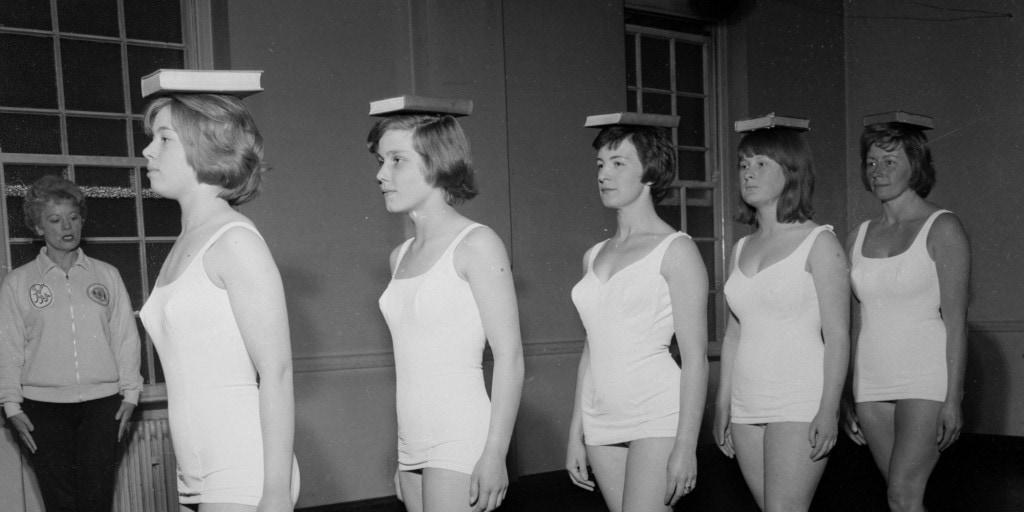
Posture affects more than how you appear to others. It determines how forces distribute through your spine and joints. It influences your breathing capacity and digestive function. It even affects your mood, energy levels, and cognitive performance. For active Victoria residents who demand a great deal from their bodies, posture is a foundational performance variable.
The connection between posture and athletic performance is well-established. Efficient movement requires a well-aligned structural foundation. Deviations from this foundation create mechanical inefficiency that costs energy and increases injury risk. Understanding why good posture matters equips active residents with motivation and context for addressing postural concerns proactively.
What Good Posture Actually Means
Good posture is often depicted as a rigid military stance. This image creates confusion and makes posture feel unnatural or effortful. In reality, optimal posture is dynamic rather than static. It is the ability to maintain efficient alignment through the demands of movement and daily activity.
Static postural assessment provides a starting point for understanding structural balance. When viewed from the side, the ear should align over the shoulder, hip, knee, and ankle. The spine should display its natural curves without exaggeration or flattening. These reference points identify postural deviations that create mechanical stress.
Dynamic postural assessment reveals how static imbalances translate into movement. A person with forward head posture in static assessment moves their neck differently than someone with neutral alignment. The compensations required to maintain balance with a misaligned structure become visible during movement. These dynamic compensations often contribute more to pain and injury than static posture alone.
Forward Head Posture in a Technology-Driven City
Forward head posture is among the most prevalent postural problems affecting modern populations. Victoria is no exception. The city’s professional culture involves extensive technology use. Smartphones, computers, and tablets keep residents looking downward and forward for much of their day.
For every inch the head moves forward of the neutral position, the effective weight on the cervical spine increases significantly. A head positioned three to four inches forward creates an enormous chronic load on the cervical muscles, ligaments, and discs. This sustained loading creates pain, restricts movement, and accelerates disc degeneration over time.
Active residents who experience forward head posture carry this structural imbalance into their training. The runner with forward head posture has a different spinal loading pattern than one with neutral alignment. The cyclist whose head is already positioned far forward experiences amplified cervical strain in the riding position. These activity-specific amplifications of postural problems increase injury risk meaningfully.
Tech Neck and Its Downstream Effects
Tech neck is the colloquial term for the forward head posture created by sustained downward device use. This condition affects people across age groups and activity levels. Its effects extend beyond the neck into the thoracic spine and shoulders.
When the head is sustained in forward flexion, the thoracic spine compensates by increasing its kyphotic curve. This increased thoracic flexion rounds the shoulders forward and restricts chest expansion. Reduced chest expansion limits breathing capacity during physical activity. This breathing limitation affects cardiovascular efficiency in endurance activities.
Shoulder mechanics are also compromised by thoracic kyphosis. The scapula cannot achieve normal movement patterns against a kyphotic thoracic background. This restriction reduces overhead mobility and predisposes active residents to shoulder impingement and rotator cuff problems. The chain of consequences from forward head posture reaches far further than most people recognize.
Lumbar Postural Patterns in Active Individuals
The lumbar spine is equally subject to postural problems among Victoria’s active population. Anterior pelvic tilt, characterized by the pelvis tipping forward and the lower back arching excessively, is common among cyclists, runners, and desk workers alike.
Anterior pelvic tilt compresses the posterior lumbar joint structures. The facet joints experience excessive loading from the exaggerated lumbar curve. The lumbar discs experience asymmetric pressure that accelerates posterior degeneration. The sacroiliac joints bear abnormal forces from the tilted pelvic position. All of these effects contribute to the lower back pain that is widespread among active adults.
The opposite problem, a flattened lumbar curve associated with prolonged sitting, creates different but equally problematic effects. A flat lumbar spine loses the natural shock absorption that its curve provides. Disc pressure increases as the spine loses its curved architecture. The load transfer between the lumbar spine and pelvis becomes less efficient.
Professional Assessment of Posture
Addressing postural problems effectively requires professional assessment. Self-observation in a mirror provides only a limited and often inaccurate picture of postural status. Trained practitioners assess posture systematically from multiple planes and angles. They identify not just where deviations exist but what is causing them.
Postural deviations have structural and muscular contributors. Some deviations reflect joint restrictions that prevent neutral positioning. Others reflect muscle imbalances where some muscles are chronically short and others are weak. The most effective postural correction addresses both components simultaneously.
The best chiropractor victoria bc professionals at Equilibrium Therapeutics conduct thorough postural assessments for all new patients. Their evaluation uses both visual assessment and digital analysis tools for objective measurement. Findings are explained clearly so patients understand their own postural patterns. This understanding motivates more consistent engagement with the correction process.
Exercise and Posture Correction
Exercise is an essential component of lasting postural improvement. Manual therapy creates the structural changes that allow better positioning. Exercise trains the muscles to maintain this better position throughout daily activity. Without the muscular training component, postural gains from manual therapy tend to be temporary.
Cervical deep flexor strengthening is a fundamental exercise for addressing forward head posture. The deep neck flexors, which maintain proper head position, are chronically inhibited in forward head posture. Simple exercises that activate these muscles, like chin tucks performed against gravity, are highly effective when done consistently.
Thoracic extension exercises counteract the kyphotic pattern that tech use and desk work create. Extending over a foam roller or performing prone extension exercises restores thoracic mobility and strengthens the thoracic erectors. This improved thoracic extension creates the foundation for better shoulder and cervical positioning.
Gluteal Activation for Lumbar Postural Correction
The gluteal muscles play a central role in maintaining proper lumbar and pelvic positioning. When the glutes are weak or inhibited, the pelvis adopts the anterior tilt that overloads the lower back. Gluteal activation exercises including bridges, clamshells, and step-ups address this foundational weakness.
Connecting gluteal activation to functional movement patterns integrates the improvement into real activity. A runner who activates their glutes properly in a squat must learn to use them properly during the stance phase of running. This motor learning transfer is a specific goal of comprehensive postural rehabilitation.
Core stabilization training supports spinal neutral positioning throughout activity. The deep stabilizing muscles of the lumbar spine maintain its neutral curve during dynamic movement. Exercises like dead bugs, bird dogs, and Pallof presses develop this deep stabilization capacity. Consistent training builds the automatic stabilization that good posture during activity requires.
Postural Awareness in Daily Life
Professional care and structured exercise create the capacity for better posture. Daily awareness is what maintains this capacity in the context of normal life. Developing postural habits that sustain correct alignment without constant conscious effort is the ultimate goal.
Ergonomic optimization of work and home environments reduces the postural demand of daily life. A monitor at eye level prevents downward head flexion during computer use. A lumbar-supportive chair maintains the natural lower back curve during prolonged sitting. These environmental adjustments make good posture easier to maintain automatically.
Movement reminders during sustained sitting prevent the prolonged static loading that good ergonomics alone cannot eliminate. Even ideal static postures become harmful when maintained without variation for extended periods. Regular movement, even briefly, restores circulation and disc nutrition while preventing the muscle fatigue that causes posture to deteriorate.
The Performance Benefits of Improved Posture
For active Victoria residents, the performance benefits of better posture are tangible and meaningful. A runner with improved pelvic alignment achieves more efficient force transfer from the foot to the forward propulsion. A cyclist with better thoracic extension achieves improved breathing capacity and reduced neck strain. A paddler with symmetric thoracic rotation generates more balanced and powerful stroke mechanics.
These performance improvements are not trivial. They translate into faster times, reduced fatigue, and extended training sustainability. An athlete who addresses their postural dysfunction is accessing performance improvement that training volume alone cannot provide. The structural foundation that good posture represents is a prerequisite for realizing the full benefit of physical training.
Conclusion
Good posture matters profoundly for active Victoria residents. It influences injury risk, athletic performance, pain levels, breathing capacity, and long-term structural health. Professional assessment, targeted manual therapy, corrective exercise, and daily ergonomic habits all contribute to genuine postural improvement. The investment in addressing postural dysfunction pays returns across every dimension of active life. If postural concerns are affecting your comfort or performance, professional assessment and guidance represent the most effective path forward.

 English
 Arabic
 French
 Spanish
 Portuguese
 Deutsch
 Turkish
 Dutch
 Italiano
 Russian
 Romaian
 Portuguese (Brazil)