


What Should Be Avoided After Tattoo Removal?
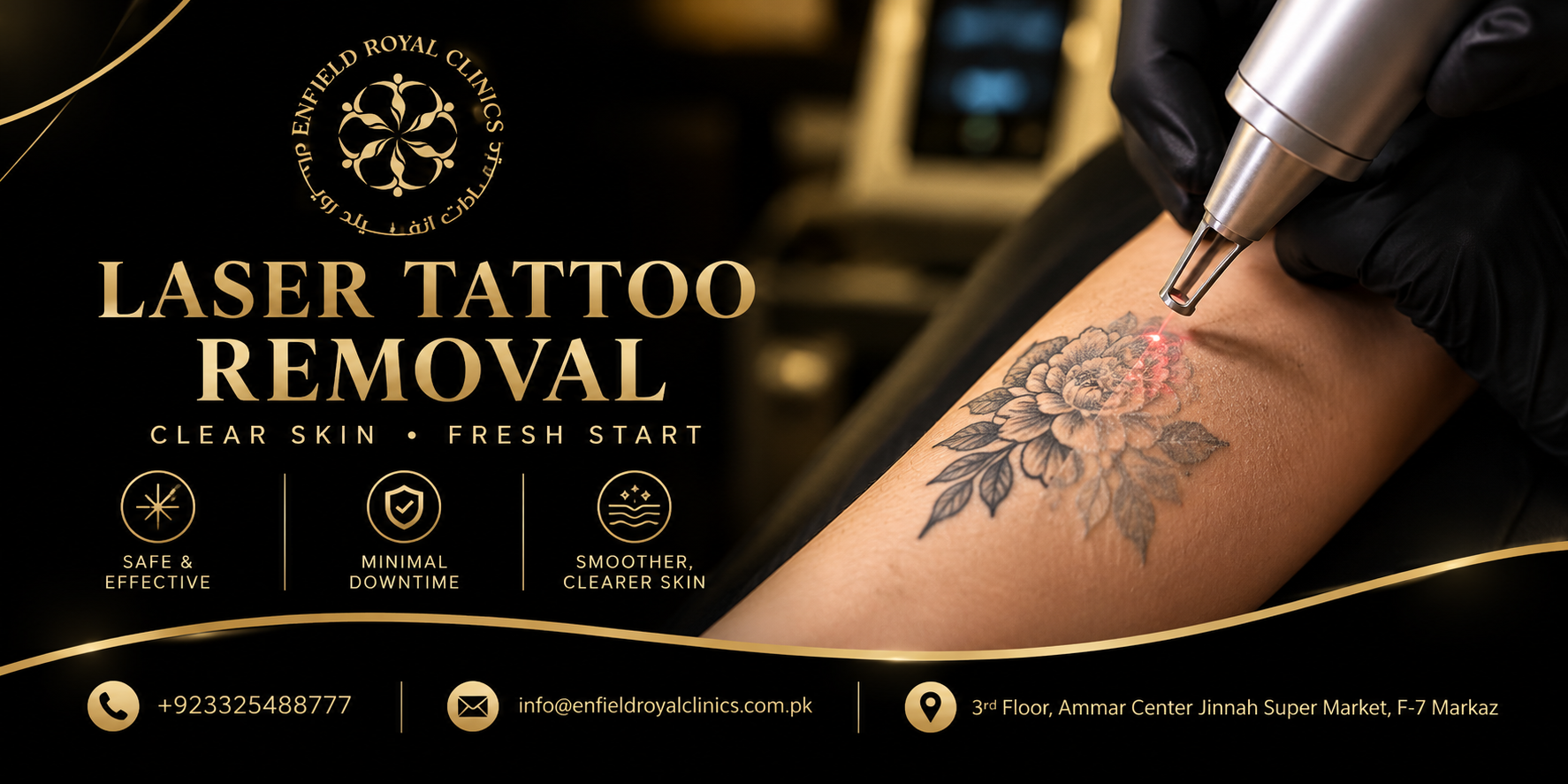
Tattoo removal can help reduce unwanted ink and improve the appearance of a tattooed area. However, the treatment does not end when the session is complete. The skin needs time to recover, and certain activities or products can interfere with healing if they are not managed carefully.
People considering Tattoo Removal in Islamabad should understand the importance of proper aftercare before starting treatment. Laser tattoo removal may cause temporary redness, swelling, tenderness, blistering, or crusting. Although these effects often improve with time, the treated area can remain sensitive during recovery.
Knowing what to avoid can help reduce unnecessary irritation, lower the risk of infection, and support better healing. The exact precautions depend on the removal method and the skin's response, so following the treatment professional's instructions is essential.
Why Is It Important to Avoid Certain Activities After Tattoo Removal?
Laser tattoo removal uses focused light energy to break tattoo pigment into smaller particles. The body gradually processes these particles over the following weeks. During treatment, the surrounding skin may also experience temporary irritation.
The treated area may feel warm, look red, or become slightly swollen. Some people develop small blisters or scabs as the skin heals. These reactions can be part of the recovery process, but the skin needs gentle care to avoid additional injury.
Scratching, exposing the area to excessive sunlight, using harsh products, or disturbing blisters can increase the risk of complications. In some cases, poor aftercare may contribute to infection, delayed healing, pigmentation changes, or scarring.
People seeking Tattoo Removal in Islamabad should receive clear instructions about wound care, activity restrictions, and when normal skincare routines can resume. Following these recommendations helps protect the skin while it recovers.
What Should Be Avoided Immediately After Tattoo Removal?
The first few days after treatment are particularly important because the skin may be sensitive and vulnerable to irritation. Patients should avoid unnecessary contact with the treated area and resist the temptation to experiment with home remedies.
Picking, scratching, or rubbing the skin should be avoided. Blisters and scabs should not be popped or removed deliberately. Disturbing the healing surface can introduce bacteria, increase inflammation, and raise the risk of scarring.
Harsh skincare products should also be avoided unless specifically recommended. Products containing strong exfoliating acids, retinoids, alcohol, or fragrances may irritate recently treated skin. Tattoo-removal creams and unverified home remedies are not reliable substitutes for professional treatment and may cause further damage.
Other helpful precautions include:
-
Avoid touching the area unnecessarily, especially with unwashed hands.
-
Do not apply makeup over an open or blistered treatment site.
-
Avoid tight clothing or accessories that repeatedly rub against the skin.
-
Do not apply ice directly to the treated area.
-
Avoid using ointments or antiseptics that have not been recommended for the particular wound.
If the treatment professional recommends a dressing, it should be changed according to the provided instructions. The area should be cleaned gently without scrubbing or using abrasive tools.
Why Should Sun Exposure Be Avoided After Tattoo Removal?
Sun protection is one of the most important parts of tattoo-removal aftercare. Recently treated skin can be more vulnerable to irritation and changes in pigmentation. Ultraviolet radiation may worsen inflammation or increase the likelihood of dark or light patches appearing in the treated area.
Patients should avoid prolonged direct sunlight, particularly while the skin remains red, blistered, or crusted. Spending time in the shade and covering the area with loose, protective clothing can help reduce exposure.
Sunscreen should not be applied directly to open, blistered, or broken skin unless a qualified professional specifically advises it. Once the skin has healed, a broad-spectrum sunscreen with SPF 30 or higher can help protect the area from ultraviolet radiation.
Tanning beds and deliberate tanning should also be avoided during recovery. A tan does not improve tattoo-removal results, and changes in skin colour can complicate treatment planning for future sessions.
For individuals undergoing Tattoo Removal in Islamabad, sun protection is particularly relevant when daily routines involve commuting, outdoor work, or spending extended periods outside. Planning treatment around outdoor activities may make aftercare easier to manage.
Which Physical Activities and Water Exposure Should Be Avoided?
Some everyday activities can expose the treated area to excessive heat, friction, moisture, or potential contaminants. Temporary adjustments may help the skin heal more comfortably.
Swimming and Soaking
Swimming pools, hot tubs, lakes, and other bodies of water should generally be avoided while the treated skin is open, blistered, or otherwise healing. Water exposure may irritate the area, and contaminated water can increase infection risk.
Gentle showering is often acceptable when permitted by the aftercare instructions. Patients should avoid scrubbing the site and should pat it dry carefully rather than rubbing it with a towel.
Strenuous Exercise
Intense exercise may increase sweating, friction, and discomfort around the treated area. If the skin is swollen, tender, or blistered, strenuous activity may need to be paused temporarily.
The appropriate return to exercise depends on the location of the tattoo and the condition of the skin. Activities involving tight sportswear, repeated movement, or equipment pressing against the treatment site may require additional caution.
Saunas and Excessive Heat
Saunas, steam rooms, very hot baths, and other sources of excessive heat can worsen discomfort or irritation in some people. They should generally be avoided while the skin is actively healing.
Patients should follow the specific timeline provided by their treatment professional rather than assuming every activity is safe after a fixed number of days.
Can Certain Products or Home Remedies Damage Healing Skin?
Using too many products can make recovery more difficult. Although some people believe that strong creams or natural remedies speed up fading, these approaches may irritate the skin without improving the removal process.
Lemon juice, abrasive scrubs, household chemicals, and unverified tattoo-removal solutions should not be applied to the treated area. Such substances can cause irritation or chemical burns and may increase the risk of lasting marks.
Hydrogen peroxide and rubbing alcohol can also irritate healing tissue when used unnecessarily. They should not be substituted for the cleaning or wound-care routine recommended by a qualified professional.
Patients should avoid exfoliating the area or using chemical peels until the skin has recovered and the professional confirms that these products can safely be resumed. Moisturisers and protective ointments should be used according to the recommended care plan, especially if the skin surface has been damaged.
It is also important not to start another tattoo-removal session too soon. The skin may look better before the body's process of clearing fragmented ink is complete. Adequate time between sessions allows recovery and helps the professional evaluate the results.
Those considering Tattoo Removal in Islamabad should ask which products are suitable for their skin and when they can safely return to their normal skincare routine.
What Warning Signs Should Patients Watch For After Tattoo Removal?
Mild redness, swelling, tenderness, and limited blistering can occur after laser treatment. These symptoms should gradually improve rather than become increasingly severe.
Certain warning signs may indicate infection or another complication. These include spreading redness, worsening pain, increasing swelling, unusual warmth, pus, or a foul-smelling discharge. Fever or rapidly worsening symptoms require prompt medical assessment.
Patients should not attempt to treat a suspected infection with leftover antibiotics, strong antiseptics, or home remedies. A healthcare professional can assess the area and recommend appropriate care.
People with a history of abnormal scarring, pigmentation problems, allergies, or conditions that affect wound healing should discuss these concerns before treatment. They may need additional precautions or a tailored treatment plan.
For anyone pursuing Tattoo Removal in Islamabad, choosing an appropriately qualified professional and following the recommended aftercare routine are important steps towards reducing avoidable risks. No aftercare routine can eliminate every complication, but careful skin protection can make recovery more manageable.
Frequently Asked Questions
1. How long should a patient avoid swimming after tattoo removal?
Swimming and soaking should generally be avoided while the treated skin remains open, blistered, or crusted. The exact timing depends on healing progress, so the treatment professional's instructions should guide when swimming can safely resume.
2. Can a patient exercise after tattoo removal?
Light activity may be possible if it does not irritate the treated area. Strenuous exercise should be reduced or paused when sweating, friction, or movement causes discomfort, particularly while blisters or broken skin are present.
3. Is it safe to apply sunscreen immediately after tattoo removal?
Sunscreen should not be applied directly to open or blistered skin unless specifically recommended. Once the skin has healed, broad-spectrum SPF 30 or higher, protective clothing, and shade can help reduce sun-related pigmentation changes.
4. What happens if a patient picks a scab after tattoo removal?
Picking a scab can damage healing tissue, increase infection risk, and contribute to scarring or pigmentation changes. Scabs should be allowed to fall away naturally, and any signs of infection should be assessed by a healthcare professional.
In conclusion, avoiding sun exposure, scratching, swimming while the skin is damaged, excessive heat, and harsh skincare products can help protect the treated area after tattoo removal. People considering Tattoo Removal in Islamabad should follow personalised aftercare instructions, allow adequate healing time, and seek medical advice if symptoms worsen or signs of infection develop.

 English
 Arabic
 French
 Spanish
 Deutsch
 Turkish
 Dutch
 Italiano
 Russian
 Romaian
 Portuguese (Brazil)
 Greek