


Innovative Optical Design for Digital Lifestyles
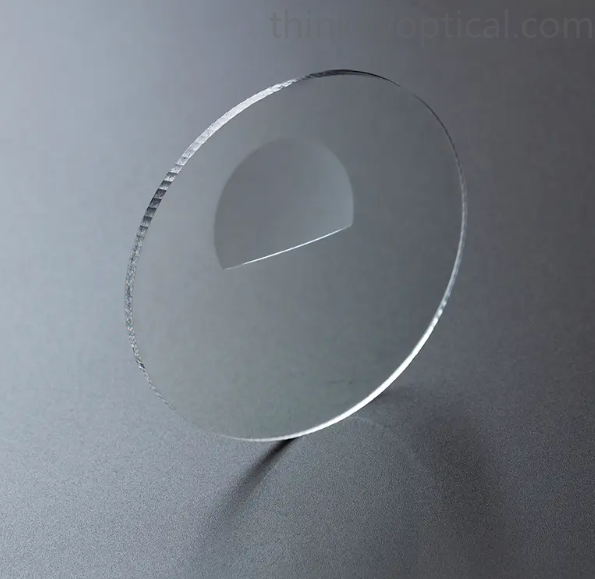
Eyewear buyers increasingly look for products that combine visual correction, practical functionality, and contemporary design. Photochromic Blue Glasses bring together light-responsive lens technology and blue-light filtering features, creating an option for brands and retailers seeking to diversify their optical collections. Understanding how these technologies work helps B2B buyers evaluate product suitability, communicate features accurately, and select specifications that match their target markets.
Photochromic lenses use light-sensitive materials that change tint under suitable lighting conditions. They generally become darker outdoors and return toward a clearer state as exposure decreases. The transition depends on the lens formulation, temperature, ultraviolet exposure, and other environmental factors. Different products can therefore behave differently, making it important for buyers to review the manufacturer's product information rather than assuming uniform performance across all photochromic designs.
Blue-light filtering is a separate optical feature that selectively reduces certain wavelengths of blue light, depending on the lens material, coating, and filtering technology. Consumers may choose these products according to personal preferences related to digital device use or everyday eyewear. However, filtering characteristics vary by product, and businesses should avoid unsupported claims that a lens prevents eye disease or guarantees relief from digital eye strain. Accurate product information helps retailers build customer trust.
Combining photochromic functionality with blue-light filtering requires careful consideration of material compatibility and optical performance. Manufacturers need to evaluate how the light-responsive components, filtering properties, lens coloration, and surface treatments interact. The finished product should meet its intended optical specifications while delivering the features described in its documentation. Buyers should confirm the exact product configuration before ordering, especially when developing a specialized retail collection.
Material selection influences lens weight, thickness, durability, and processing options. Common optical materials include standard resin, polycarbonate, and high-index resin. Standard resin supports many everyday prescription applications, while polycarbonate offers lightweight construction and impact resistance for suitable uses. High-index materials can help reduce thickness for certain prescriptions. The most appropriate option depends on prescription strength, frame design, target customer, and product availability.
Surface coatings can add further functionality. Anti-reflective treatments help reduce reflections from lens surfaces, while hard coatings improve resistance to everyday scratching. Hydrophobic treatments can make water droplets easier to remove and support convenient cleaning. Coating compatibility depends on the base material, manufacturing process, and product design. Buyers should confirm which combinations are available and review care recommendations before approving a specification.
For wholesale customers, manufacturing consistency is as important as the advertised features. Quality checks may include optical power verification, dimensional inspection, surface defect assessment, coating uniformity, and evaluation of photochromic performance against established specifications. Requesting samples and defining acceptance criteria can help businesses assess suitability before moving to bulk orders. Clear inspection procedures also provide a useful reference when evaluating repeat production batches.
Customization can help eyewear brands differentiate their product lines. Depending on production capabilities, options may include prescription ranges, lens materials, tint characteristics, coatings, diameters, and private-label packaging. Buyers should confirm minimum order quantities, sample availability, production schedules, and shipping arrangements before finalizing a purchase. Providing detailed specifications at the start can reduce production delays and make coordination more efficient.
Product education supports successful distribution. Retail teams should understand that photochromic performance varies with environmental conditions and that blue-light filtering depends on the specific lens design. Some photochromic lenses may not darken as expected behind certain vehicle glazing, so product descriptions should reflect the manufacturer's guidance. Clear, evidence-based explanations help customers make informed decisions and establish realistic expectations.
Selecting Photochromic Blue Glasses for a commercial collection requires attention to optical design, material compatibility, quality control, and customer demand. Thinkey Optical Co.,Ltd. supports optical businesses exploring lens sourcing and customized product options for different markets. To discuss specifications and potential cooperation, visit https://www.thinkeyoptical.com

 English
 Arabic
 French
 Spanish
 Portuguese
 Deutsch
 Turkish
 Dutch
 Italiano
 Russian
 Portuguese (Brazil)
 Greek