


Shed Foundation Grid System: A Smarter Way to Build a Strong Shed Base
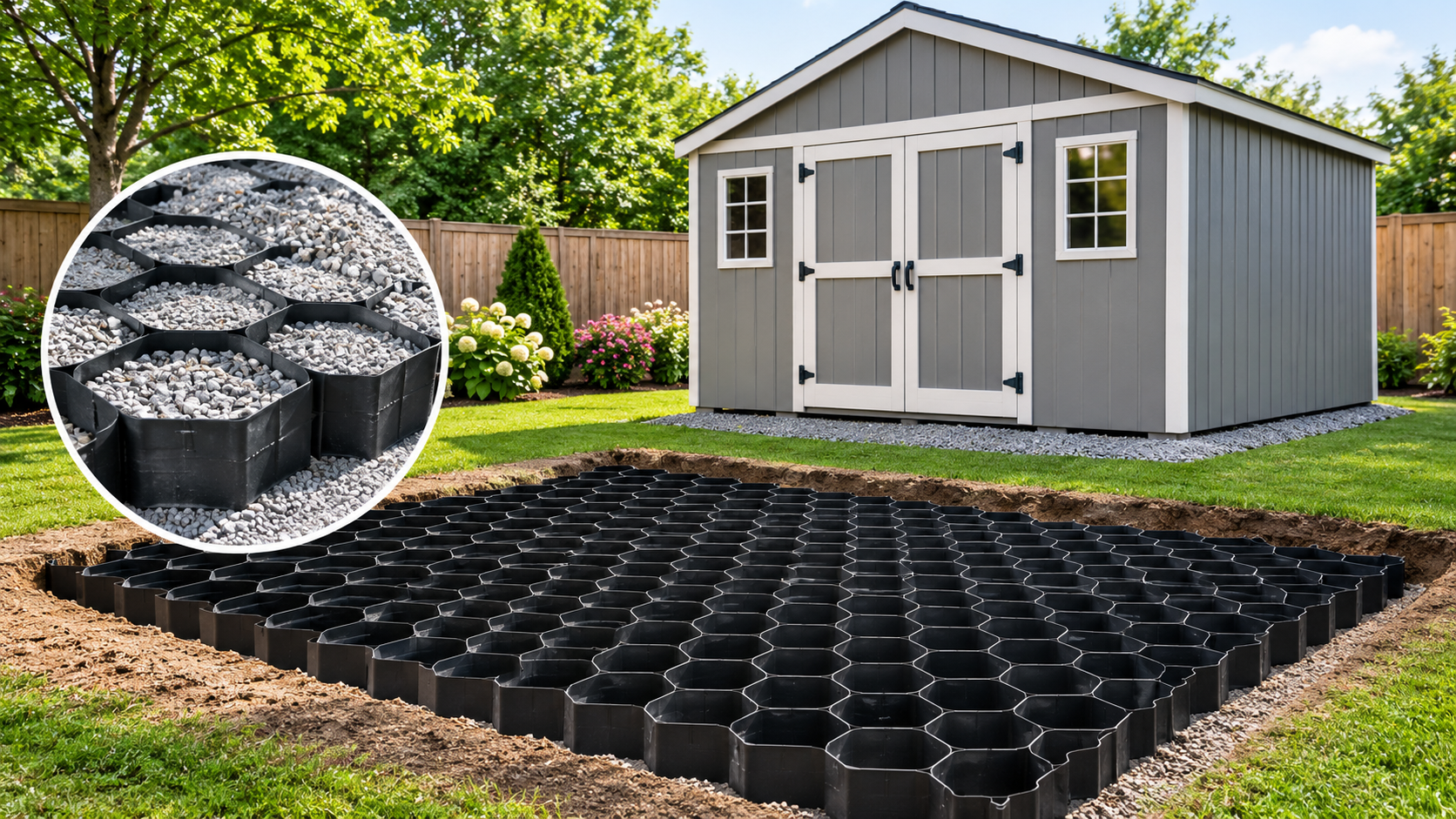
A shed is a useful addition to any backyard. It provides extra storage space for gardening tools, outdoor equipment, bicycles, lawnmowers, and other essentials. However, before installing a shed, it is important to prepare a strong and stable foundation. Without proper ground support, a shed may experience uneven settling, moisture problems, or structural movement over time.
A shed foundation grid system offers a practical solution for creating a stable base without relying entirely on traditional concrete foundations. It helps distribute weight across the ground, improves soil stability, and supports proper drainage. Whether you are planning a small garden shed or a larger storage building, choosing the right foundation can make a significant difference in the performance and lifespan of your structure.
Why Is a Strong Foundation Important for Your Shed?
The foundation is one of the most important parts of any shed installation. Even a well-built shed can develop problems if the ground underneath it is weak or uneven.
A poor foundation can lead to several issues:
-
Uneven settling: Soft soil may cause one side of the shed to sink.
-
Water accumulation: Poor drainage can allow rainwater to collect around the shed.
-
Soil erosion: Heavy rainfall can wash away loose soil and gravel.
-
Structural movement: Shifting ground may affect the shed's alignment and stability.
-
Higher maintenance costs: Foundation problems can lead to expensive repairs over time.
A suitable ground grid system helps address these challenges by reinforcing the base and providing better support for the structure.
What Is a Shed Foundation Grid System?
A shed foundation grid system uses interconnected cellular panels, commonly called geocells, to create a reinforced ground surface. These panels expand into a honeycomb-like structure that can be filled with gravel or other suitable aggregate.
Once filled, the cells help hold the material in place and distribute weight across a wider area. This reduces the movement of loose aggregate and helps create a more dependable surface for shed installation.
One example is BaseCore Geocell, which is made from thick-gauge high-density polyethylene (HDPE). Its construction provides strength and flexibility for different shed sizes and applications.
Unlike a solid concrete slab, a geocell foundation is designed to allow water to pass through while helping stabilize the ground.
Key Benefits of Using a Geocell Shed Foundation
1. Improved Ground Stability
Ground conditions can vary from one property to another. Soft soil, loose gravel, and uneven surfaces can make shed installation difficult. A geocell grid helps confine the fill material and spread the applied load, creating a more stable supporting surface.
2. Better Water Drainage
Water management is essential for protecting wooden and metal sheds. Standing water can contribute to wood rot, rust, and damage to stored equipment.
Geocell panels have an open, permeable structure that allows water to move through the aggregate. This helps reduce surface water buildup and supports better drainage around the shed.
3. Strong and Durable Construction
A foundation should provide dependable support for years. BaseCore Geocell uses high-density polyethylene to deliver a durable foundation solution suitable for different shed types.
Its flexible cellular design helps distribute weight and reduce the movement of loose fill material.
4. Cost-Effective Alternative to Concrete
Concrete foundations can require additional materials, labor, equipment, and preparation. They may also be more expensive for homeowners planning a simple backyard shed.
A geocell foundation offers another option. It can be easier to handle and install, depending on site conditions, while providing useful ground reinforcement and drainage benefits.
5. Helps Reduce Soil Erosion
Rainwater and changing weather conditions can gradually wash away loose soil around a shed. Geocell panels help keep aggregate confined, reducing material movement and supporting a more stable surface.
How to Install a Shed Foundation Grid System
A proper installation starts with good ground preparation. Following the correct steps helps improve the performance of the foundation.
1: Prepare the Installation Area
Choose a suitable location for your shed. Remove grass, roots, debris, and loose organic material. Check the ground for uneven areas and make sure the site is properly prepared.
2: Create a Level Base
Excavate the area as needed and establish a stable, level subgrade. The required excavation depth will depend on soil conditions, shed requirements, and the selected foundation design.
3: Install Geotextile Fabric if Needed
Geotextile fabric can be used where appropriate to help separate the soil from the aggregate and reduce the mixing of materials. Select a fabric suitable for your site conditions.
4: Expand and Position the Geocell Panels
Expand the geocell panels across the prepared area. Make sure the panels cover the intended foundation footprint and are properly connected or secured according to the manufacturer's installation instructions.
5: Fill the Cellular Grid
Fill the expanded cells with suitable aggregate. Spread the material evenly throughout the grid, ensuring the cells are properly filled.
6: Compact and Finish the Surface
Compact the aggregate using suitable equipment and check that the finished surface is level. Follow the manufacturer's recommendations for fill depth and compaction.
7: Install Your Shed
Once the foundation is ready, install the shed according to its manufacturer's requirements. Make sure the shed is properly supported and secured.
Choosing the Right Foundation for Different Shed Types
Not every shed has the same foundation requirements. The size, weight, construction material, and intended use should all be considered before selecting a base.
Wooden Sheds
Wooden sheds need a stable, well-drained foundation to help protect the floor and structural components from moisture-related problems.
Metal Sheds
Metal sheds benefit from a level supporting surface. Proper drainage is also important to help reduce standing water and the risk of corrosion.
Large Storage Sheds
Larger sheds may carry heavier loads from equipment, tools, and stored materials. Choosing a suitable grid depth, aggregate, and foundation design is important for dependable support.
Small Garden Sheds
Smaller garden sheds can also benefit from a reinforced gravel base. A properly prepared grid system provides an organized and stable surface for everyday storage needs.
Common Mistakes to Avoid During Shed Foundation Installation
Even a quality foundation system may not perform properly if installation is rushed. Keep these points in mind:
-
Skipping ground preparation: Always remove unsuitable soil, roots, and debris before installation.
-
Ignoring drainage: Make sure water can drain away from the shed area.
-
Using unsuitable aggregate: Choose appropriate fill material for the grid and site conditions.
-
Leaving cells unevenly filled: Distribute the aggregate properly throughout the panels.
-
Ignoring load requirements: Select a foundation design that suits the shed's weight and intended use.
Taking time to prepare the ground correctly can help prevent unnecessary problems later.
Frequently Asked Questions
1. What is the best foundation for a backyard shed?
The best foundation depends on the shed's size, weight, soil conditions, and drainage requirements. Gravel-filled geocell systems, concrete slabs, and pavers are common options. Geocell systems offer a practical combination of ground reinforcement and water permeability.
2. Can a shed foundation grid system support heavy sheds?
Yes, a properly selected and installed geocell system can support substantial loads. However, the required grid depth, aggregate, and ground preparation depend on the shed's weight and site conditions.
3. Does a geocell shed foundation help with drainage?
Yes. Geocell panels have a permeable structure that allows water to pass through the aggregate. This helps reduce surface water accumulation and supports better drainage around the shed.
4. Is a geocell foundation easier to install than concrete?
In many applications, yes. Geocell panels are expandable and can be filled with suitable aggregate without pouring a traditional concrete slab. Installation requirements still depend on the ground conditions and project size.

 English
 Arabic
 Spanish
 Portuguese
 Deutsch
 Turkish
 Dutch
 Italiano
 Russian
 Romaian
 Portuguese (Brazil)
 Greek