


Platform Weighing Scale: Essential Equipment for UAE Commercial and Industrial Businesses
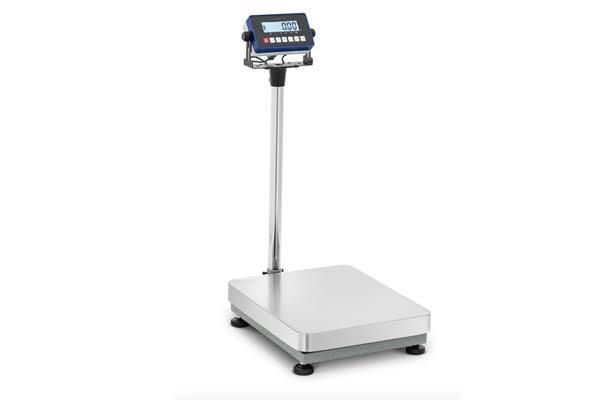
Accurate weighing is an important requirement for businesses that manage heavy products, bulk materials, packages, and industrial supplies. A platform weighing scale provides a practical solution for measuring different types of loads across commercial and industrial environments. Its strong weighing surface and different capacity options make it suitable for warehouses, manufacturing facilities, distribution centres, supermarkets, and packaging departments.
In the UAE, companies depend on reliable weighing equipment to maintain product quantities, manage stock, and improve daily operations. Whether a business handles small cartons or heavy industrial materials, selecting an appropriate weighing machine can make routine measurement activities more convenient. Understanding the available models, important features, and maintenance requirements helps businesses make better purchasing decisions.
What Makes a Platform Weighing Scale Different?
A platform scale is designed with a flat surface that supports products during the weighing process. Electronic models generally use load cells to detect the applied weight and transfer the measurement to a digital indicator.
Unlike compact table top scales, platform models can accommodate larger products and containers, depending on their dimensions and rated capacity. They are available in different configurations for light commercial activities and demanding industrial applications.
Some models also include additional functions such as tare adjustment, piece counting, weight accumulation, unit conversion, and data connectivity. These features can help employees complete weighing tasks more efficiently and maintain consistent records.
Different Types of Platform Weighing Scales
Standard Digital Platform Scales
Digital platform scales are commonly used for everyday commercial and industrial weighing. They feature electronic displays that allow operators to read measurements conveniently.
Depending on the model, these machines may include rechargeable batteries, automatic zero tracking, and different measurement units. They are suitable for businesses that need straightforward weighing equipment for regular operations.
Heavy-Duty Platform Scales
Heavy-duty platform scales are designed for applications involving larger and heavier loads. They are commonly considered by factories, warehouses, logistics companies, and industrial facilities.
Their platform dimensions, frame construction, and load capacities vary according to the design. Businesses should check the equipment specifications carefully to ensure it can safely support their expected loads.
Stainless Steel Platform Scales
Stainless steel platform scales may be suitable for workplaces where hygiene, moisture resistance, and regular cleaning are important considerations.
They can be useful in food processing, agricultural operations, and certain manufacturing environments. However, buyers should verify the actual protection rating and cleaning requirements instead of assuming every stainless steel model is suitable for washdown conditions.
Portable Platform Scales
Portable platform scales provide flexibility for businesses that need weighing equipment in different work areas. Depending on the design, they may be easier to reposition than permanently installed industrial systems.
These models can support temporary weighing stations, warehouse activities, and production areas where equipment placement changes regularly.
Where Are Platform Weighing Scales Used?
Platform scales support several industries because they can measure products with different shapes, sizes, and weights.
Warehousing and Distribution
Warehouses handle incoming stock, stored materials, and outgoing shipments throughout the day. Platform scales help employees measure cartons, containers, and other goods before storage or dispatch.
Accurate measurements can support inventory records and help businesses monitor product quantities more consistently.
Manufacturing Facilities
Manufacturing companies use weighing equipment to measure raw materials, production components, and finished products. Platform scales can provide convenient measurement stations for items that are too large for smaller bench equipment.
Some businesses may also benefit from counting and accumulation functions when managing repeated production tasks.
Retail and Wholesale Businesses
Wholesale suppliers frequently handle sacks, boxes, bulk merchandise, and packaged products. A suitable platform scale can help measure these goods before selling, storing, or transporting them.
Retail businesses may also use certain models for weighing products according to their commercial requirements.
Food Processing and Agriculture
Food manufacturers, agricultural suppliers, and distribution businesses may use platform scales to measure ingredients, produce, containers, and packaged goods.
Equipment used in wet or hygiene-sensitive environments should have appropriate construction materials and protective features for the actual working conditions.
Logistics and Transportation
Logistics companies need accurate measurements when preparing shipments and organising cargo. Platform scales can help verify package weights and support routine warehouse procedures.
For palletized goods or particularly heavy loads, businesses may require larger floor scales or specialised pallet weighing equipment.
Important Features to Check Before Buying
Choosing the right platform scale requires careful consideration of its technical specifications. Businesses should evaluate the following features before making a purchase:
-
Weighing capacity: Select equipment that can safely handle the maximum expected load.
-
Platform dimensions: Check whether the weighing surface can accommodate the products and containers.
-
Measurement readability: Choose suitable increments according to the required weighing precision.
-
Load cell quality: Reliable sensors are essential for obtaining consistent measurements.
-
Display system: A clear digital indicator makes readings easier for employees.
-
Construction material: Consider steel, stainless steel, and other materials according to the operating environment.
-
Power options: Check whether the machine supports mains electricity, rechargeable batteries, or both.
-
Additional functions: Counting, tare adjustment, printing, and data connectivity may be useful for particular applications.
Businesses should also review warranty conditions, calibration requirements, spare-part availability, and technical support before selecting a supplier.
Benefits of Using Platform Weighing Equipment
Convenient Handling of Different Products
The flat weighing surface makes platform scales suitable for many products, including cartons, bags, containers, and industrial components. This flexibility can make them useful across multiple business departments.
Consistent Measurement Procedures
Digital readings help employees follow standard weighing practices. Consistency is especially important when businesses prepare orders, monitor raw materials, or check product quantities.
Better Stock Management
Accurate weight information can help companies monitor incoming materials and outgoing goods. When combined with suitable recordkeeping software, weighing information can support organised inventory management.
Improved Workplace Productivity
Selecting equipment with suitable capacity and platform dimensions can simplify everyday weighing activities. Additional features may further reduce manual calculations and repetitive tasks.
How to Maintain a Platform Weighing Scale
Regular maintenance helps preserve weighing performance and reduces the possibility of unexpected equipment problems.
Start by installing the scale on a stable, level surface. Follow the manufacturer's instructions and make sure that the weighing platform is free from objects that could interfere with measurements.
Avoid overloading the equipment because excessive weight can damage the load cells or platform structure. Clean the surface regularly using methods appropriate for the equipment's construction and protection rating.
Operators should also check the display, cables, and accessible components for signs of damage. If readings become unstable, the machine should be inspected before being used for important measurements.
Calibration should follow the manufacturer's recommendations, usage frequency, required accuracy, and applicable regulations. Businesses using equipment for commercial transactions should also confirm relevant UAE legal metrology requirements.
Why Consider Al Falah Scales?
Al Falah Scales is an option for businesses exploring weighing equipment for commercial and industrial applications in the UAE. Companies looking for platform weighing solutions should first identify their product dimensions, maximum load requirements, measurement accuracy, and working conditions.
Different operations may require standard digital platform scales, heavy-duty models, or specialised weighing equipment. Comparing technical specifications can help buyers identify a suitable option for their business. It is also important to confirm current product availability, calibration arrangements, warranty conditions, and after-sales support directly with the supplier. Evaluating these details helps businesses make informed decisions and choose equipment that supports their everyday weighing activities.
Conclusion
A platform weighing scale is a valuable piece of equipment for businesses that require convenient and consistent weight measurements. Its different sizes, capacities, and configurations make it suitable for warehouses, manufacturing facilities, wholesale operations, food processing, and logistics. Before purchasing, companies should consider weighing capacity, platform dimensions, measurement readability, construction quality, and maintenance requirements. With proper installation, regular inspection, and appropriate calibration, businesses can improve weighing procedures and manage their daily operations more effectively.
Frequently Asked Questions
1. What is a platform weighing scale used for?
A platform weighing scale measures the weight of cartons, bags, containers, raw materials, and other products. It is commonly used in warehouses, factories, retail businesses, and distribution facilities.
2. What is the difference between a platform scale and a table top scale?
A platform scale generally has a larger weighing surface and may support heavier products. A table top scale is more compact and is usually designed for counters and workbenches.
3. How do I select the correct platform weighing scale?
Consider the maximum load, platform dimensions, required accuracy, working environment, and additional functions. Select equipment that matches your daily business requirements.

 English
 Arabic
 French
 Spanish
 Portuguese
 Turkish
 Dutch
 Italiano
 Russian
 Romaian
 Portuguese (Brazil)
 Greek