


What Is the Significance of Maa Baglamukhi Jayanti in Different Regions?
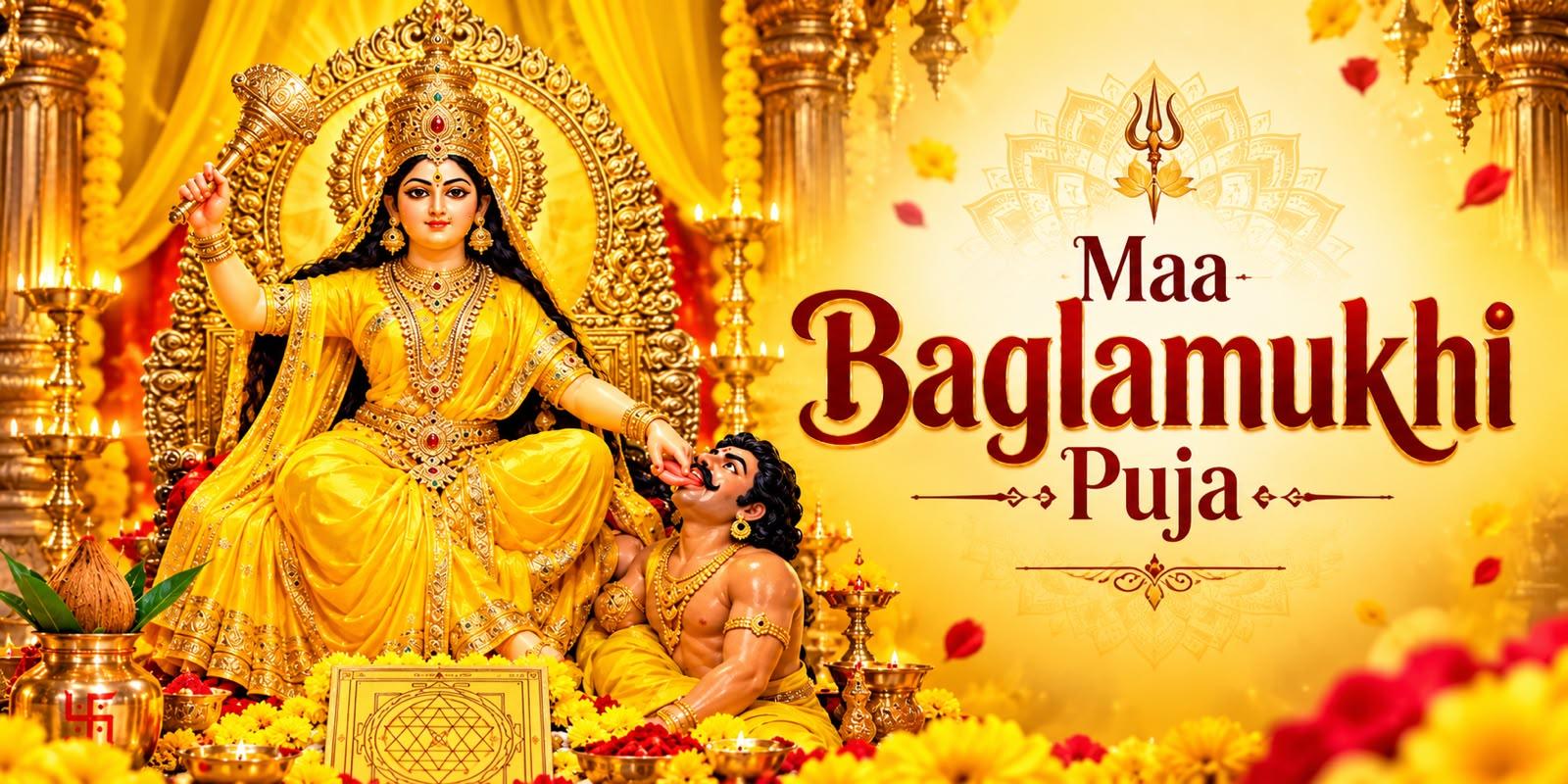
Maa Baglamukhi Jayanti is an important religious occasion for devotees who worship Maa Baglamukhi, one of the ten Mahavidyas in Hindu Shakta traditions. The day is associated with devotion, prayer and remembrance of the Goddess's divine qualities. For many devotees, it is an opportunity to visit temples, participate in special worship and learn more about the spiritual traditions connected with Maa Baglamukhi.
Although the central religious significance remains connected with the worship of the Goddess, the way Jayanti is observed can differ between regions. Local temple traditions, community customs, family practices and regional calendars may influence the celebrations. Some places organise special pujas and havans, while others focus on devotional singing, temple visits or family prayers.
Understanding Maa Baglamukhi Jayanti significance across different regions helps devotees appreciate the diversity of Hindu religious traditions. It also explains how a shared devotional occasion can be celebrated through different local customs.
1. Understanding the Religious Significance of Maa Baglamukhi Jayanti
Maa Baglamukhi is traditionally regarded as the eighth Mahavidya among the ten forms of divine wisdom in Shakta worship. She is associated with the power to restrain harmful speech, overcome opposition and bring control over difficult situations.
Connection with Divine Power
The traditional depiction of Maa Baglamukhi includes a yellow or golden appearance and symbolic attributes associated with divine strength. Her worship is connected with the idea of controlling negative influences and developing clarity, discipline and inner strength.
For devotees, Jayanti provides an occasion to remember these qualities through prayer and religious observances.
Importance in Devotional Life
The celebration is not limited to temple ceremonies. Many families use the occasion to strengthen their devotional connection through prayers, reading religious texts and participating in community worship.
The specific practices may differ, but the central focus remains devotion and respect for Maa Baglamukhi.
2. How Is Maa Baglamukhi Jayanti Celebrated in Madhya Pradesh?
Madhya Pradesh holds an important place in discussions about Maa Baglamukhi worship because of the well-known Baglamukhi temple at Nalkheda in Agar Malwa district.
Temple-Based Worship
During important religious occasions, devotees may visit the temple to offer prayers and participate in worship according to its arrangements. Special devotional activities can include aarti, offerings and organised religious ceremonies.
The temple's local traditions contribute to the way devotees understand and observe the occasion.
Importance of Local Religious Heritage
For visitors, the celebration can also provide an opportunity to learn about the temple's history and its place in regional religious life.
However, visitors should confirm the current Jayanti programme and timings directly with the temple, as annual arrangements may vary.
3. What Is the Significance of Jayanti Celebrations in Himachal Pradesh?
Himachal Pradesh has a strong tradition of temple worship, pilgrimage and regional religious festivals. Maa Baglamukhi worship is also associated with the state's devotional landscape, including the well-known Baglamukhi temple near Bankhandi in Kangra district.
Devotion Through Temple Visits
Devotees may visit the temple to offer prayers and seek blessings. Special occasions can bring families and visitors together for worship and other devotional activities.
The temple environment and local religious practices influence how visitors experience the celebration.
Regional Customs and Community Participation
Local customs may shape arrangements for offerings, aarti, temple visits and festival gatherings. Families may also observe the occasion at home through prayer and devotional recitation.
These practices reflect the connection between religious devotion and regional cultural identity.
4. How Do Jayanti Traditions Differ in Other Parts of India?
Maa Baglamukhi worship is not limited to one state. Devotees in different parts of India may observe Jayanti through their family traditions, local temples and established religious practices.
Temple and Community Celebrations
In some areas, celebrations may focus on temple-based worship and group prayers. Devotees may participate in aarti, listen to religious discourses or join devotional singing.
Where a temple has an established tradition of organising special ceremonies, its programme may become an important part of the local celebration.
Home-Based Worship
Families who cannot visit a temple may observe the occasion at home. Their practices may include:
· Cleaning and preparing the prayer space.
· Offering flowers and other customary devotional items.
· Reciting Maa Baglamukhi prayers or stotras.
· Performing aarti according to family tradition.
· Sharing prasad with family members.
These are examples of possible practices rather than compulsory steps for every household.
Influence of Regional Languages
Devotional songs, explanations and religious discussions may be conducted in local languages. This allows communities to express their devotion in familiar cultural forms.
5. Why Does Yellow Colour Have a Special Place in Jayanti Customs?
Yellow is strongly associated with Maa Baglamukhi worship. It appears in traditional descriptions and devotional practices connected with the Goddess.
Yellow in Religious Symbolism
The colour is commonly associated with auspiciousness, sacredness and divine energy in the context of Baglamukhi worship. Devotees may include yellow clothing, flowers or offerings in their observances, depending on their family or temple traditions.
Regional Differences in Colour Practices
Although yellow has a recognised association with Maa Baglamukhi, the way it is used can vary.
Some families may prefer yellow clothing during worship, while others may follow the instructions of their local temple or family tradition. Visitors should avoid assuming that every temple has identical requirements.
6. What Role Do Puja and Havan Play in Jayanti Celebrations?
Puja and havan are among the devotional practices associated with Maa Baglamukhi worship. Their arrangements depend on the temple, religious tradition and the type of ceremony being organised.
Special Puja Arrangements
Some temples and families may organise additional worship on Jayanti. These observances can include prayers, offerings, mantra recitation and aarti.
Devotees interested in participating should ask the temple about its schedule, registration process and accepted offerings.
Understanding Havan Traditions
A havan is a ritual in which offerings are made into a sacred fire while mantras are recited. In Baglamukhi worship, specific havan practices may be followed according to the guidance of the performing priest and the relevant religious tradition.
Not every devotee needs to arrange a separate havan to observe Jayanti. Personal prayer and participation in temple worship can also be meaningful ways to mark the occasion.
7. How Do Families Preserve Regional Jayanti Traditions?
Family customs play an important role in preserving religious heritage. The way older generations observe Maa Baglamukhi Jayanti may influence how younger members understand and celebrate the occasion.
Passing Down Devotional Knowledge
Older relatives may share stories about temple visits, family prayers and traditional ways of preparing for the festival.
These conversations help younger family members understand the background of their customs rather than simply repeating activities.
Combining Tradition with Modern Arrangements
Families living in different cities may use phone or video calls to participate in prayers together. Some may also watch temple ceremonies through official online channels when travel is not possible.
Such arrangements can help maintain family connections while respecting individual circumstances.
8. How Can Devotees Respect Regional Differences During Jayanti?
Learning about regional celebrations requires an open and respectful approach. A custom followed in one temple should not automatically be considered compulsory for another.
Ask Local Temple Representatives
Before visiting, ask about:
· Jayanti dates and worship timings.
· Special ceremonies and participation arrangements.
· Dress expectations and temple etiquette.
· Accepted offerings and prasad distribution.
· Photography and visitor guidelines.
This helps prevent confusion and supports respectful participation.
Verify Religious Information
Festival dates and ceremonies may vary according to the religious calendar and local temple arrangements. Check reliable temple announcements or consult knowledgeable religious representatives before planning a visit.
When researching regional traditions, distinguish documented information from local stories and personal beliefs.
Conclusion
The Maa Baglamukhi Jayanti significance extends beyond a single temple or regional celebration. It represents an opportunity for devotees to remember the Goddess, participate in worship and preserve religious traditions through family and community practices.
From temple visits in Madhya Pradesh and Himachal Pradesh to home-based prayers in other parts of India, Jayanti traditions reflect the diversity of devotional life. Yellow symbolism, puja, havan, aarti and family gatherings may form part of these observances, depending on local customs.
Understanding these regional differences helps devotees appreciate the cultural richness of the celebration. By learning from reliable sources, respecting temple practices and sharing devotional knowledge across generations, families can preserve the meaning of Maa Baglamukhi Jayanti while honouring the traditions of their communities.

 Arabic
 French
 Spanish
 Portuguese
 Deutsch
 Turkish
 Dutch
 Italiano
 Russian
 Romaian
 Portuguese (Brazil)
 Greek