


From Material Selection to Maintenance: Understanding Industrial Rollers
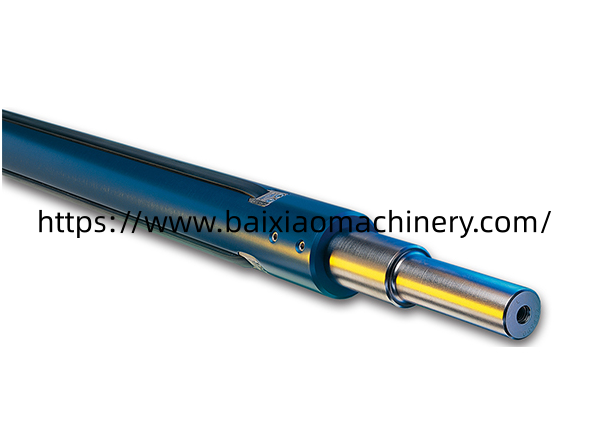
Industrial machinery often relies on rotating components to support materials, maintain contact, or help products move through a production process. A roller's role may appear straightforward, yet its performance is influenced by material selection, surface quality, mounting conditions, and the environment in which it operates. When evaluating a Steel Roller, equipment designers and purchasing teams should consider how the component interacts with the material being handled and the surrounding machinery. This broader perspective helps identify a design that suits the actual process rather than relying on appearance alone.
Steel is widely considered for roller construction because it can provide a rigid and durable structure for industrial use. Different steel grades and manufacturing approaches offer different characteristics, so the choice should reflect the application. A roller used in a general handling process may have different material priorities from one exposed to repeated contact, abrasive substances, or demanding working conditions. The roller's body is only one part of the assembly; shafts, supporting components, and surface treatments also influence how the product performs. Buyers should discuss the complete construction with a supplier instead of treating steel as a single uniform material.
Surface condition is particularly important because it determines how the roller contacts the material or adjacent components. Depending on the application, a roller may require a smooth finish, a protective coating, or another surface treatment that suits its working environment. Surface quality can influence friction, cleaning, material contact, and resistance to environmental effects. However, a particular finish is not suitable for every process. Buyers should identify whether the roller will contact delicate products, abrasive materials, or substances that may affect its surface. This information can help guide the selection of an appropriate finishing approach.
A practical buying guide begins with the roller's intended function. Some rollers support material movement, while others help guide, press, or maintain contact during processing. The shape and condition of the material being handled can affect the choice, as can the machine's layout and installation arrangement. Buyers should consider how the roller connects with the equipment, whether it needs to be removed for maintenance, and how nearby components influence its operation. Environmental conditions such as moisture, dust, and cleaning practices may also affect material and finish selection. Clear application details make supplier discussions more productive.
The roller's functional performance depends on how it rotates and interacts with the rest of the machine. Supporting components must work together to allow appropriate movement, while the roller's alignment affects the consistency of contact with the material. If the component is not properly integrated, it may contribute to uneven movement or unwanted contact. For this reason, roller selection should be considered alongside the equipment's structure and operating method. Designers should examine how the roller is supported, how it interfaces with adjacent parts, and whether the arrangement allows the material to follow its intended path.
Manufacturing processes influence the consistency of the finished roller. Forming, machining, surface preparation, finishing, and assembly all contribute to the component's shape and working condition. Consistent production helps the roller fit its intended machine and supports predictable interaction with other parts. Buyers can ask suppliers about material sourcing, inspection practices, and how surface quality is checked. Sample evaluation may also help identify concerns related to finish, handling, or compatibility before a component is incorporated into a production system. Manufacturing quality should be considered throughout the process, not only during final inspection.
The user experience of industrial equipment is often reflected in how easily operators can manage and maintain it. A roller that is accessible for inspection can make it easier to identify contamination, surface damage, or changes in movement. Convenient installation and removal can also support maintenance planning, particularly when components need periodic cleaning or replacement. Operators should follow equipment-specific procedures and ensure that machinery is safely stopped before inspection or service. Buyers may wish to discuss maintenance access and replacement arrangements with the supplier, since these details can influence the practical demands placed on production teams.
Design and appearance contribute to how the roller integrates into the wider machine. Its surface finish, body form, and connection details can affect installation and the overall organization of the equipment. A consistent exterior may also make inspection and cleaning more straightforward. In customized machinery, the roller's design should coordinate with the surrounding structure while maintaining its intended functional role. Zhejiang Province, Ruian Baixiao Machinery Co., Ltd. provides a point of contact for businesses exploring industrial rollers and related machinery components. Buyers can discuss material requirements, working conditions, surface preferences, and equipment integration needs when evaluating a suitable solution. Further information about the company's products is available at https://www.baixiaomachinery.com/

 English
 Arabic
 French
 Spanish
 Portuguese
 Deutsch
 Turkish
 Dutch
 Italiano
 Russian
 Portuguese (Brazil)
 Greek