


Leather Working Gloves in Pakistan: What to Check Before Buying for Someone Else
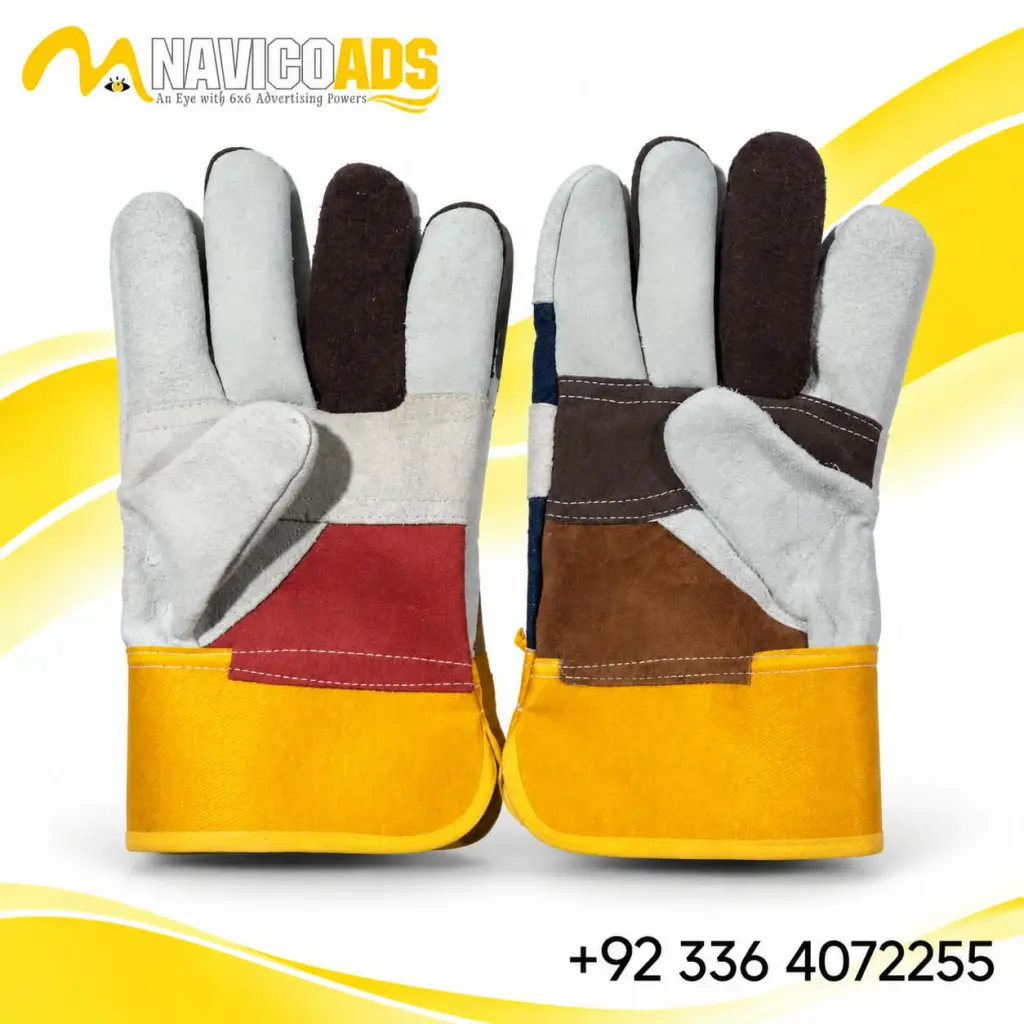
Buying work gloves for yourself is straightforward. You try them on, you know what feels right, you pay and leave.
Buying them for someone else is different. A friend who works in construction. A brother who welds. A team of workers who need new gear every few months. You can't try them on for the other person. You have to get it right based on information alone.
That's where most people get stuck. And that's what got me looking into Leather Working Gloves in Pakistan more carefully — not for myself, but for the people I was buying for.
This is what I learned.
The Sizing Problem Nobody Warns You About
Gloves sold in Pakistan usually come in small, medium, and large. That's the entire range. But hand shape varies far more than three sizes can cover.
Palm width, finger length, knuckle position — all of it differs from person to person. A glove that fits one worker perfectly will be too tight for another and too loose for a third.
If you're buying for someone else, don't guess. Ask for their hand measurements. Palm circumference and middle finger length are enough. Any decent supplier will have a size chart that matches those numbers.
If you can't get measurements, buy from a supplier who accepts exchanges. That way, if the size is wrong, you're not stuck with a glove nobody can wear.
Leather Grade Is the Second Thing to Ask
Most buyers hear "leather gloves" and assume there's one type of leather. There isn't.
Full grain is the top layer of the hide. Strongest, most durable, most expensive.
Grain leather is sanded slightly. Still good, slightly cheaper.
Split leather is the lower layer. Cheaper, stiffer, less durable.
Corrected grain is heavily processed to look uniform. It photographs well but fails fast.
If you're buying for someone who uses gloves daily, full grain or good grain leather is worth the extra cost. If it's for occasional light work, split leather is fine.
If the supplier can't tell you the grade, that's a sign they don't know or don't want you to know.
Stitching Matters More Than Price
A glove with single stitching at the palm will fail within weeks of daily use. A glove with double stitching will last months.
When you're buying for someone else, you can't inspect the glove in person if you're ordering online. So ask for a physical sample before committing to a bulk order.
Any genuine manufacturer will send one. If they won't, that tells you something.
When the sample arrives, check the stitching at the palm, the thumb joint, and the base of the fingers. Those are the stress points. Loose or uneven threads there are a reliable sign of short life.
What a Fair Price Looks Like
From what I found calling around suppliers:
-
350 to 600 rupees. Basic split leather. Fine for light work.
-
800 to 1,200 rupees. Grain leather. Good for daily workshop use.
-
1,500 to 2,500 rupees. Full grain leather. Best for heavy industrial use.
If you're buying in bulk, per-unit pricing drops significantly. Ask for a quote at your quantity — even 20 pairs usually gets a discount.
If someone quotes you 400 rupees for "full grain" gloves with double stitching and leather lining, something is off. Full grain leather costs what it costs. Nobody is selling it at split leather prices.
Why Buying Direct Makes Sense for Group Orders
If you're buying for a team or a friend who runs a workshop, going direct to a manufacturer is usually the right call.
Resellers add 30 to 60 percent over direct pricing. For one pair, that's fine. For fifty pairs, it's a real cost.
Direct manufacturers also let you customise. Specific cuff lengths, reinforced palms, your friend's company logo — these are options you don't get from a retail shop.
And you can verify the leather grade by asking directly. A reseller might not know. A manufacturer will.
A Quick Checklist for Buying for Someone Else
Before you pay:
-
Get the hand measurements, or buy from a supplier with easy exchanges.
-
Ask for the leather grade by name.
-
Request a physical sample and check the stitching at the stress points.
-
Ask for bulk pricing at your quantity.
-
Confirm the return or exchange policy before paying.
None of this is complicated. It's just rarely done. And when you're buying for someone else, getting it right matters more than saving a few hundred rupees.
If you're comparing suppliers and want a reference point for Leather Working Gloves price in Lahore, start with the material and stitching breakdown above. The number on the quote means very little without it.
For more everyday reads, visit Net Pals.

 English
 Arabic
 French
 Spanish
 Portuguese
 Deutsch
 Turkish
 Dutch
 Italiano
 Russian
 Romaian
 Greek