


What Parents Should Know Before Their Child Gets the HPV Vaccine
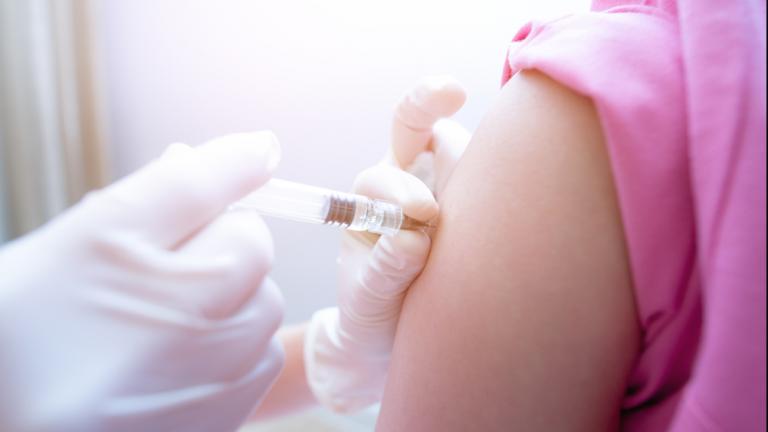
Making informed decisions about childhood vaccination is an important part of protecting a child's long-term health. One vaccine parents should understand is the human papillomavirus (HPV) vaccine, which helps prevent infections caused by selected HPV types associated with certain cancers and genital warts. With convenient services such as HPV Vaccine at Home in Dubai, families can arrange professional vaccination in a familiar environment. A qualified Doctor at Home can guide parents through the vaccine's benefits, recommended age, dosage schedule, safety, and precautions so they can make confident, informed decisions about their child's preventive healthcare.
Understanding HPV and Why Prevention Matters:
Human papillomavirus is a common group of viruses that can spread through intimate skin-to-skin contact, including sexual contact. Many HPV infections do not cause symptoms and clear naturally, but some high-risk types can persist and lead to health complications years later. Certain HPV types are associated with cancers of the cervix, anus, penis, vulva, vagina, and oropharynx, while other types can cause genital warts. Since HPV can be transmitted without visible signs, people may not know they have encountered the virus. Vaccination helps prevent infection from selected HPV types before exposure, making it an important part of long-term disease prevention.
What Is the Right Age for HPV Vaccination:
Parents often wonder when their child should receive the HPV vaccine. Routine vaccination is generally recommended at ages 11–12, although it can begin as early as age nine. Vaccinating during early adolescence allows the immune system to develop protection before potential exposure to HPV. The vaccine is recommended for both boys and girls, so parents should not assume it is only necessary for daughters. If a child has missed the recommended age, catch-up vaccination is generally advised through age 26 for individuals who have not completed the series. A healthcare professional can review the child's vaccination history and explain the appropriate timing based on current local recommendations.
Why the HPV Vaccine Is Important for Both Boys and Girls:
HPV-related health problems can affect people of all genders. In girls and women, certain HPV types are responsible for most cases of cervical cancer, while other types can cause cancers affecting the vulva, vagina, anus, and oropharynx. Boys and men can also develop HPV-related cancers, including cancers of the penis, anus, and oropharynx, as well as genital warts. Vaccinating both boys and girls helps protect individuals against selected HPV types and supports broader community prevention by reducing the circulation of vaccine-covered types. Including HPV vaccination in routine adolescent healthcare helps parents take a proactive approach to their children's future wellbeing.
How the HPV Vaccine Works:
The HPV vaccine prepares the immune system to recognize specific HPV types and respond if exposure occurs later. It contains virus-like particles rather than live HPV, meaning it cannot cause an HPV infection. Depending on the vaccine formulation, it protects against selected HPV types associated with certain cancers and genital warts. The vaccine is preventive, not therapeutic: it does not treat an existing HPV infection, genital warts, abnormal cervical cells, or cancer. Its greatest benefit comes from vaccination before exposure to the HPV types covered. Parents should understand that the vaccine does not prevent every HPV infection, but it provides important protection against the types included in the vaccine.
How Many Doses Does a Child Need:
The number of HPV vaccine doses depends mainly on the age when vaccination begins and whether the child has certain immune conditions. Under standard recommendations:
-
Children who begin vaccination before their 15th birthday generally need two doses, usually separated by 6–12 months.
-
Children and adolescents who start at age 15 or older generally require three doses.
-
Those with weakened immune systems generally need three doses, even if vaccination begins before age 15.
-
If doses are given too close together, an additional dose may be necessary under the recommended schedule.
Parents should keep a record of every dose and follow the schedule advised by their healthcare professional. If a child has missed a scheduled dose, the series usually does not need to be restarted; a healthcare professional can advise how to continue it according to the applicable guidelines.
Is the HPV Vaccine Safe for Children:
The HPV vaccine has been extensively studied and is generally considered safe for eligible children and adolescents. Like other vaccines, it can cause temporary side effects as the immune system responds. Most reactions are mild and resolve without specific treatment. Common side effects include:
-
Pain, redness, or swelling at the injection site.
-
Mild fever or headache.
-
Tiredness.
-
Muscle discomfort.
-
Dizziness or fainting shortly after the injection.
Children are generally advised to remain seated and be observed for approximately 15 minutes after vaccination to reduce the risk of injury from fainting. Serious allergic reactions are rare, but parents should seek urgent medical attention if a child develops breathing difficulty, facial swelling, or other signs of a severe reaction. Parents should also inform the healthcare professional about any previous serious allergic reactions or relevant medical conditions before vaccination.
What Parents Should Discuss with a Healthcare Professional:
Before vaccination, parents should share their child's medical history and ask questions about eligibility, vaccine type, and the recommended dose schedule. A routine HPV test is not generally required before vaccination because no test can establish whether a child has been exposed to every HPV type covered by the vaccine. Parents should mention any history of severe allergic reactions, immune system conditions, or previous vaccine complications. If a child is moderately or severely ill at the time of the appointment, the healthcare professional can advise whether vaccination should be postponed. Having an open discussion helps parents understand the benefits and any precautions relevant to their child.
Preparing Your Child for the Vaccination Appointment:
Children may feel nervous about injections, particularly if they have not received many vaccines before. Parents can help by explaining the purpose of vaccination in age-appropriate language and reassuring the child that the injection will be brief. Avoid frightening descriptions or making promises that there will be no discomfort. Encourage the child to ask questions and tell the healthcare professional if they feel anxious or dizzy. It is also useful to:
-
Review the child's vaccination record before the appointment.
-
Wear clothing that allows easy access to the upper arm.
-
Inform the healthcare professional about allergies and medical history.
-
Follow the provider's instructions after vaccination.
-
Keep the vaccination record for future reference.
A calm and supportive approach can make the experience more comfortable.
The Convenience of HPV Vaccine at Home in Dubai:
For families with busy schedules or children who feel more comfortable at home, professional home vaccination can offer a convenient option. HPV Vaccine at Home in Dubai allows parents to arrange an appointment in a familiar setting, provided the service is delivered by appropriately qualified healthcare professionals. Before booking, families should confirm that the provider maintains proper vaccine storage and cold-chain procedures, uses trained staff, records each dose accurately, and provides post-vaccination observation and guidance. Home vaccination should meet the same safety and professional standards expected in a clinic. Parents should also ask how follow-up doses will be scheduled to ensure the vaccination course is completed correctly.
Final Thoughts
The HPV vaccine is an important part of preventive healthcare because it helps protect children against selected HPV types associated with certain cancers and genital warts. Parents can support their child's long-term health by arranging vaccination at the recommended age, following the correct dose schedule, and discussing any concerns with a qualified healthcare professional. Understanding the vaccine's benefits, safety, and limitations makes it easier to make informed decisions. Whether vaccination takes place in a clinic or through a qualified home service, timely protection can be a valuable step toward a healthier future.

 English
 Arabic
 French
 Spanish
 Portuguese
 Deutsch
 Turkish
 Italiano
 Russian
 Romaian
 Portuguese (Brazil)
 Greek