


Sclerotherapy in Dubai: Modern Solutions for Clearer-Looking Veins
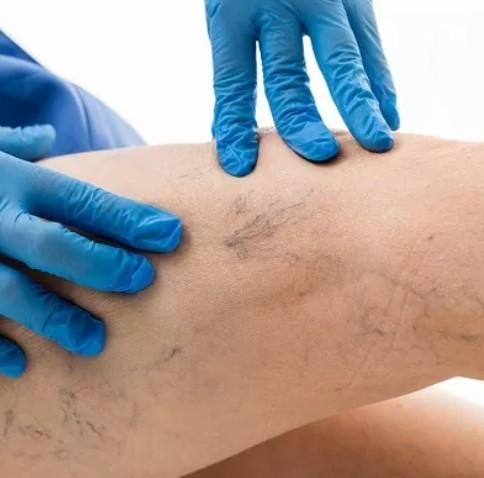
Visible veins, spider veins, and small varicose veins can affect the appearance of the skin and sometimes cause physical discomfort. Although these vein conditions are common, many people look for effective treatment options that can improve their appearance without requiring traditional surgery. Sclerotherapy is a well-established, minimally invasive treatment designed to close selected unwanted veins and gradually make them less visible.
With modern vein treatment techniques, Sclerotherapy in Dubai offers an option for individuals seeking a more even-looking skin appearance and professional care for visible veins. The treatment involves injecting a specialised solution into the targeted vein, encouraging it to close naturally while blood flow is redirected through healthier nearby vessels.
At EV Clinic Dubai, patients can receive an individual assessment to determine the most appropriate approach based on their vein condition, size, location, and treatment goals. Understanding how sclerotherapy works, what to expect, and how much treatment may cost can help patients make informed decisions about their vein care.
What Is Sclerotherapy?
Sclerotherapy is a minimally invasive medical procedure used to treat spider veins, reticular veins, and selected small varicose veins. It involves injecting a specialised medical solution, known as a sclerosant, directly into the targeted blood vessel.
The solution works by irritating the inner lining of the vein, causing its walls to close together. Over time, the treated vessel gradually becomes less visible as the body naturally breaks down and absorbs it. Blood circulation is then redirected through surrounding healthy veins.
Unlike traditional surgical procedures, sclerotherapy generally does not require surgical incisions or extensive recovery periods. It is commonly performed in a clinical setting using fine needles, with the treatment approach selected according to the characteristics of the veins.
At EV Clinic Dubai, treatment planning focuses on identifying the type of vein involved and selecting an appropriate technique for the patient's individual needs.
How Does Sclerotherapy Work?
Sclerotherapy works by treating unwanted veins from within. The injected solution causes a controlled reaction in the vein wall, encouraging the vessel to close and gradually fade.
The treatment generally involves several important stages.
1. Initial Vein Assessment
The process begins with a medical consultation and examination of the affected area. The specialist evaluates the appearance, size, location, and distribution of the visible veins.
Depending on the patient's condition, a duplex ultrasound examination may be recommended to assess blood circulation and identify any underlying venous problems.
2. Selection of the Treatment Solution
The specialist determines whether liquid or foam sclerotherapy is more suitable. The choice depends on the diameter, depth, and characteristics of the targeted veins.
Liquid solutions are commonly used for smaller superficial veins, while foam formulations may be considered for selected larger vessels.
3. Targeted Injection
A fine needle is used to introduce the sclerosant solution directly into the selected vein. The treatment is carefully planned to ensure that the appropriate vessels receive the solution.
Multiple injections may be performed during one appointment, depending on the number and distribution of veins being treated.
4. Gradual Vein Closure
Following treatment, the targeted vein gradually closes. The body then naturally processes the treated vessel, making it less visible over time.
The improvement develops gradually rather than immediately, and the final appearance depends on the individual's response to treatment.
Types of Sclerotherapy Available
Different sclerotherapy techniques are available to address veins of varying sizes and characteristics. Selecting the correct approach is important for achieving suitable treatment outcomes.
Liquid Sclerotherapy
Liquid sclerotherapy involves injecting a specialised liquid sclerosant into smaller superficial veins. It is commonly considered for spider veins and fine visible vessels.
The solution comes into contact with the inner lining of the vein, encouraging it to close gradually. This technique is particularly useful when treating relatively small vessels close to the skin's surface.
Foam Sclerotherapy
Foam sclerotherapy uses a specialised foam formulation instead of a liquid solution. The foam displaces blood within the targeted vein and allows the treatment solution to remain in contact with the vein wall.
It is often considered for larger veins and selected varicose vein conditions. Ultrasound guidance may be used to help the specialist identify the targeted vessel and monitor treatment placement.
Ultrasound-Guided Sclerotherapy
Ultrasound-guided sclerotherapy combines injection treatment with imaging technology. Duplex ultrasound allows the specialist to examine veins beneath the skin and assess blood flow.
This approach can be particularly helpful when treating deeper veins, larger vessels, or conditions involving underlying venous reflux.
At EV Clinic Dubai, the treatment technique is selected according to the clinical assessment and the characteristics of the veins being treated.
Which Vein Conditions Can Sclerotherapy Treat?
Sclerotherapy is commonly used to address several types of visible veins. Its suitability depends on the size, location, and underlying cause of the condition.
Spider Veins
Spider veins are small, visible blood vessels that often appear close to the skin's surface. They may look red, blue, or purple and frequently develop in branching patterns.
They commonly appear on the legs and can also occur in other areas of the body. Sclerotherapy can help reduce their visibility by closing the targeted vessels.
Reticular Veins
Reticular veins are slightly larger than spider veins and often appear blue or green beneath the skin. They may be associated with nearby spider veins and can sometimes act as feeder vessels.
Treating the underlying reticular veins may form part of a broader treatment plan for improving the appearance of surrounding visible vessels.
Small Varicose Veins
Varicose veins are enlarged superficial blood vessels that may appear twisted or raised beneath the skin. Selected smaller varicose veins may respond to foam sclerotherapy.
A specialist assessment is important because larger veins and underlying venous reflux may require a different treatment approach.
Facial Veins
Some visible veins develop around the nose, cheeks, and other facial areas. Treatment depends on the vessel's location, size, and whether it is suitable for injection-based treatment.
Not every facial vein is appropriate for sclerotherapy, so careful evaluation is necessary before selecting a treatment method.
Visible Veins on the Hands and Chest
Some people develop prominent superficial veins on their hands, chest, or other visible areas. Depending on the vessel type and underlying anatomy, selected veins may be considered for treatment.
The specialist must first determine whether sclerotherapy is appropriate for the specific location.
Benefits of Sclerotherapy
Sclerotherapy offers several advantages for individuals seeking treatment for selected visible veins.
Minimally Invasive Treatment
The procedure uses injections rather than traditional surgical incisions. This makes it a convenient treatment option for appropriately selected patients.
Targeted Vein Treatment
The specialist can focus on specific unwanted vessels while preserving surrounding healthy circulation.
Gradual Cosmetic Improvement
Treated veins become less visible over time as the body naturally processes the closed vessels. This can contribute to a clearer and more even-looking skin appearance.
Relatively Short Appointments
Treatment sessions are generally completed within a relatively short period. The exact appointment duration depends on the number and size of veins being treated.
No Traditional Surgical Incisions
Sclerotherapy does not generally require surgical cuts or the removal of veins through conventional surgery.
Personalised Treatment Options
Liquid, foam, and ultrasound-guided techniques allow specialists to select an approach according to individual vein characteristics.
What to Expect During a Sclerotherapy Appointment
Understanding the treatment process can help patients feel more prepared for their consultation and appointment.
Before the Treatment
The specialist begins by reviewing the patient's medical history, symptoms, and previous vein treatments. The affected area is examined to identify the vessels that may benefit from treatment.
Patients should share information about their medications, previous medical conditions, allergies, and circulation-related concerns.
If necessary, an ultrasound examination may be recommended before proceeding.
During the Treatment
The treatment area is cleaned, and the specialist uses a fine needle to introduce the selected sclerosant into the targeted veins.
The number of injections depends on the area being treated and the extent of the visible veins.
Most appointments are relatively straightforward, although some patients may experience brief stinging or mild discomfort during injections.
Immediately After the Treatment
Following the procedure, patients may be advised to walk and follow specific aftercare instructions. Compression stockings may be recommended, particularly for leg vein treatments.
The specialist will explain any temporary activity restrictions and provide guidance on caring for the treated area.
Recovery and Aftercare Following Sclerotherapy
Following the recommended aftercare instructions is an important part of the treatment process. Individual recommendations may vary according to the vein type and treatment technique.
Follow Compression Instructions
Compression stockings or bandages may be recommended after leg sclerotherapy. They help support the treated vessels while they close.
Patients should follow the specialist's instructions regarding the appropriate compression level and duration.
Maintain Regular Walking
Gentle walking is generally encouraged after treatment. Maintaining normal movement supports circulation and helps patients return to their everyday routines.
Avoid Strenuous Activities Initially
Patients may be advised to temporarily avoid strenuous workouts, heavy lifting, and certain high-intensity activities. The recommended timeframe depends on the treatment performed.
Protect the Treated Skin
Direct sunlight can contribute to pigmentation changes in healing skin. Protecting the treated area and following appropriate sun protection advice can help support the recovery process.
Attend Follow-Up Appointments
Follow-up visits allow the specialist to assess how the treated veins are responding and determine whether additional sessions are appropriate.
How Long Does It Take to See Sclerotherapy Results?
Sclerotherapy results develop gradually because the body needs time to process the treated vessels.
Smaller spider veins may begin to show improvement within three to six weeks, while larger treated veins can take several months to fade.
The overall response depends on several factors, including:
- The size and depth of the treated veins.
- The number of vessels being treated.
- The selected sclerotherapy technique.
- Individual circulation and healing responses.
- Whether underlying venous reflux is present.
Some patients may achieve their desired improvement after one session, while others require multiple appointments.
It is also important to understand that closing existing veins does not prevent new visible veins from developing in the future.
How Many Sclerotherapy Sessions Are Required?
The number of treatment sessions varies from one patient to another. Individuals with a small number of spider veins may require fewer appointments than those with extensive visible vessels or larger reticular veins.
During the initial consultation, the specialist assesses the affected area and recommends an appropriate treatment schedule.
Additional sessions may be considered when:
- Several areas require treatment.
- The visible veins are extensive.
- Some vessels remain noticeable after the initial treatment.
- Larger veins require additional assessment and treatment.
- The desired improvement requires a staged approach.
Appointments are generally spaced several weeks apart to allow the treated vessels to respond before further treatment is considered.
Sclerotherapy Cost In Dubai: What Determines the Price?
Understanding the Sclerotherapy Cost in Dubai is an important part of planning vein treatment. The overall price can vary depending on the patient's condition, the treatment technique, and the number of appointments required.
There is no single price that applies to every patient because vein conditions differ in size, complexity, and distribution.
Several factors can influence the total treatment cost.
1. Number of Veins Being Treated
The number of visible vessels and the size of the affected area can influence the amount of treatment required. Treating a limited number of spider veins may involve a different treatment plan from addressing multiple areas.
2. Type of Sclerotherapy
Liquid and foam sclerotherapy involve different treatment approaches. The selected technique depends on the characteristics of the veins and the specialist's assessment.
3. Treatment Area
The location of the veins can influence the treatment plan. Spider veins on the legs, visible veins on the hands, and selected facial vessels may require different approaches.
4. Number of Treatment Sessions
Some patients need only one appointment, while others may require multiple sessions to achieve their treatment goals.
The number of recommended appointments can therefore influence the overall cost.
5. Ultrasound Assessment
A duplex ultrasound may be recommended to evaluate blood circulation and identify underlying vein conditions. If additional imaging is required, it may contribute to the total treatment expense.
6. Specialist Consultation and Treatment Planning
An individual consultation helps establish the most suitable treatment method and provides a clearer understanding of the expected appointments and associated costs.
At EV Clinic Dubai, the treatment plan and expected cost are determined following a medical assessment. Patients can discuss their concerns, treatment goals, and available options during their consultation.
Why Choose EV Clinic Dubai for Sclerotherapy?
Choosing an appropriate clinic is an important part of planning any vein treatment. Patients should consider the specialist's experience, the available treatment techniques, the quality of assessment, and the level of follow-up care.
EV Clinic Dubai offers a dedicated approach to vein assessment and sclerotherapy treatment, with attention to the individual characteristics of each patient's condition.
Individualised Treatment Planning
Every patient's vein condition is different. Treatment recommendations are based on the appearance, size, location, and underlying cause of the affected vessels.
Liquid and Foam Sclerotherapy Options
Different treatment techniques allow the specialist to select an appropriate approach for smaller superficial veins and selected larger vessels.
Ultrasound-Guided Assessment
Duplex ultrasound can be used when clinically appropriate to assess deeper veins and evaluate blood circulation before treatment.
Focus on Natural-Looking Improvement
The treatment aims to reduce the visibility of selected unwanted veins while supporting normal blood circulation through healthy vessels.
Professional Consultation and Follow-Up
Patients receive an individual assessment and treatment guidance based on their clinical needs, with follow-up appointments used to evaluate progress.
Who May Be Suitable for Sclerotherapy?
Sclerotherapy may be considered for adults who have spider veins, reticular veins, or selected small varicose veins and are looking for an appropriate treatment option.
A medical consultation is necessary to determine suitability.
The specialist considers several factors, including:
- The type and size of visible veins.
- The location and extent of the affected vessels.
- Existing circulation-related conditions.
- Previous vein treatments.
- Medical history and current medications.
- Individual treatment expectations.
Certain medical conditions, pregnancy, and breastfeeding may affect treatment suitability. A specialist should review these factors before recommending any procedure.
Frequently Asked Questions About Sclerotherapy in Dubai
Is sclerotherapy a surgical procedure?
No. Sclerotherapy is a minimally invasive injection-based treatment. A specialised solution is introduced directly into the targeted vein to encourage it to close gradually. It generally does not involve traditional surgical incisions.
Is sclerotherapy suitable for spider veins?
Yes. Sclerotherapy is commonly used to treat spider veins, particularly those appearing on the legs. The specialist evaluates the size, location, and characteristics of the vessels before recommending treatment.
Does sclerotherapy permanently remove treated veins?
Successfully treated veins generally remain closed. However, new spider veins or varicose veins may develop in other areas over time. Follow-up assessment may be helpful if additional visible veins appear.
Can sclerotherapy treat large varicose veins?
Foam sclerotherapy may be suitable for selected larger veins. However, significant underlying venous reflux or larger vein problems may require other treatments. A duplex ultrasound may be recommended to determine the most appropriate approach.
How long does a sclerotherapy session take?
A typical appointment may take approximately 30 to 60 minutes, depending on the number of veins and the treatment area. More extensive treatment may require additional time.
Can I return to normal activities after sclerotherapy?
Many patients can resume light everyday activities shortly after treatment. Walking is generally encouraged, although strenuous exercise and certain activities may need to be avoided temporarily according to the specialist's instructions.
Will I need multiple sclerotherapy sessions?
Not everyone requires the same number of sessions. Smaller treatment areas may respond after one appointment, while extensive or larger veins may require additional sessions.
When will I notice visible improvement?
Smaller veins may begin fading within several weeks, while larger treated vessels can take several months to show their full improvement. Results vary according to individual vein characteristics and treatment response.
What is the average Sclerotherapy Cost In Dubai?
The Sclerotherapy Cost In Dubai depends on the number of veins, treatment area, selected technique, specialist assessment, and number of sessions required. An accurate quotation can be provided after evaluating the patient's individual condition.
Is ultrasound necessary before sclerotherapy?
Ultrasound is not necessary for every small superficial spider vein. However, it may be recommended for larger, symptomatic, recurrent, or deeper veins to assess blood flow and identify underlying venous reflux.
Can sclerotherapy be performed on areas other than the legs?
Selected superficial veins on the face, hands, chest, and other areas may be considered for treatment. Suitability depends on the vessel's anatomy and location, so an individual assessment is essential.
Book a Sclerotherapy Consultation at EV Clinic Dubai
Visible veins can have different underlying causes, and selecting an appropriate treatment requires a proper medical assessment. Sclerotherapy provides a minimally invasive option for addressing selected spider veins, reticular veins, and small varicose veins.
Whether you are exploring treatment for visible leg veins or other superficial vessels, understanding the available techniques, expected results, and treatment costs can help you make an informed decision.
EV Clinic Dubai provides individual vein assessments and tailored sclerotherapy treatment planning based on each patient's condition and requirements.
Arrange a consultation to discuss your concerns, understand the available treatment options, and receive an individualised recommendation for achieving clearer-looking veins.

 English
 Arabic
 French
 Spanish
 Portuguese
 Deutsch
 Turkish
 Dutch
 Italiano
 Romaian
 Portuguese (Brazil)
 Greek