


When Cyber Threats Move Across Networks: How Security Virtual Appliances Support Modern Defence Strategies
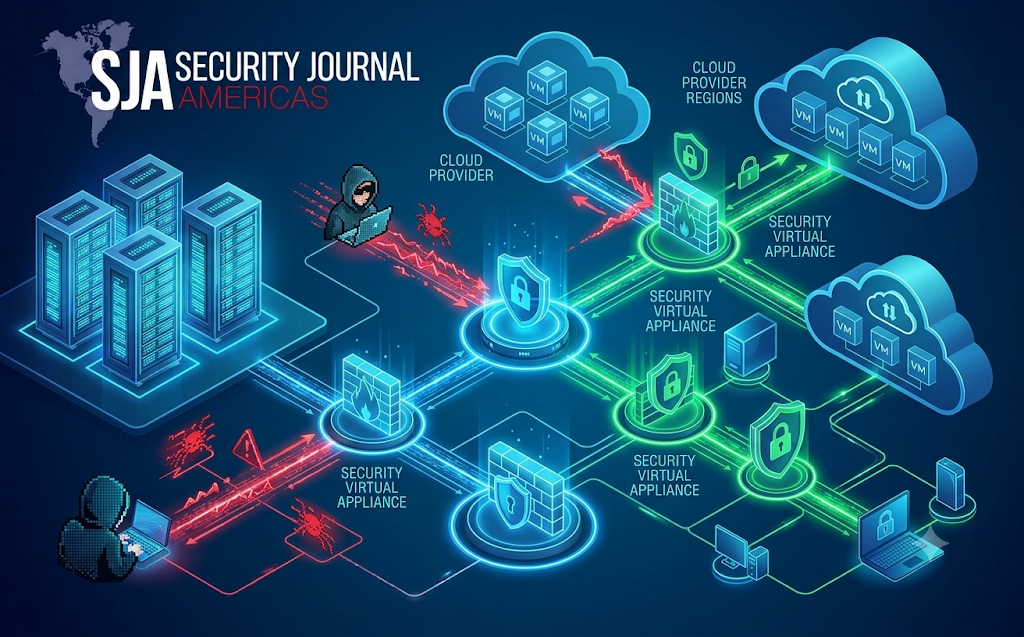
Modern cyberattacks rarely remain limited to a single device or application. Once attackers gain access to a business network, they may attempt to identify connected systems, obtain additional permissions and reach valuable information.
This movement between connected resources is a significant concern for organisations operating complex digital infrastructure.
As businesses adopt virtual machines, cloud applications and interconnected networks, traditional perimeter-based security approaches may not provide sufficient protection on their own. A Security Virtual Appliance can contribute to modern defence strategies by helping organisations inspect network traffic, enforce segmentation policies and restrict unauthorised communication.
Understanding how these capabilities support cybersecurity can help businesses develop stronger protection against increasingly sophisticated threats.
Understanding How Cyber Threats Move Across Networks
Cybercriminals often use an initial point of access to investigate other parts of a compromised environment.
This process, commonly known as lateral movement, may involve accessing additional devices, exploiting weak permissions or using compromised credentials.
For example, an attacker who gains access to an employee workstation may attempt to connect to internal applications or systems containing sensitive information.
Poor network segmentation can make these movements easier because connected resources may communicate without sufficient restrictions.
A Security Virtual Appliance can help reduce this exposure by enforcing traffic policies between network segments.
However, businesses must also strengthen identity management, endpoint protection and monitoring to identify suspicious activity across their infrastructure.
Why Network Segmentation Matters
Network segmentation divides infrastructure into separate zones according to operational function, sensitivity or security requirements.
This approach helps limit communication between systems that do not need to interact.
For instance, administrative systems, employee devices and sensitive business applications can operate within different network segments.
A Security Virtual Appliance can support this arrangement by controlling traffic between those segments and enforcing defined access rules.
If one section of the network becomes compromised, segmentation can make it more difficult for an attacker to reach other protected resources.
Organisations should regularly review segmentation policies to ensure that network access remains appropriate.
Overly broad permissions can weaken the benefits of segmentation, while excessively restrictive policies may disrupt legitimate business operations.
Supporting Zero-Trust Security Principles
Zero-trust security is based on the principle that access should not be automatically trusted simply because a user or device is connected to an internal network.
Instead, access decisions should consider identity, permissions, device conditions and other relevant security information.
A Security Virtual Appliance can support zero-trust strategies by enforcing network-level restrictions and controlling communication between protected environments.
For example, access to sensitive application networks can be limited to approved systems and authorised connections.
However, zero-trust security involves more than network filtering.
Businesses should combine network controls with multifactor authentication, identity verification, device security and continuous access evaluation.
These measures help create a more structured defence strategy in which access is granted according to defined requirements.
Improving Threat Detection and Network Visibility
Identifying unusual activity quickly is important when responding to cyber threats.
Attackers may attempt to communicate with unfamiliar systems, transfer information or establish connections that differ from normal business traffic.
Network monitoring can help security teams recognise these activities and investigate potential incidents.
A Security Virtual Appliance may provide traffic inspection, intrusion detection and other monitoring capabilities depending on its configuration.
These functions can help identify suspicious communication and enforce policies designed to prevent unauthorised connections.
Businesses should also integrate relevant security logs with centralised monitoring systems.
This allows analysts to compare events from network devices, endpoints and applications, helping them understand the wider context of potential threats.
Strengthening Incident Response Capabilities
Even well-protected organisations may experience security incidents.
When an attack occurs, businesses need clear procedures to identify the affected systems, limit exposure and restore normal operations.
Network controls can play an important role during this process.
A Security Virtual Appliance may help security teams restrict communication with compromised network segments or block traffic associated with identified threats.
These capabilities can support containment activities while technical teams investigate the incident.
However, successful incident response also requires documented procedures, trained personnel and effective communication between relevant departments.
Organisations should regularly test response plans through exercises that simulate realistic cyber incidents.
This helps identify gaps before an actual emergency occurs.
Protecting Critical Business Resources
Some systems contain information or support services that are essential to business operations.
These may include databases, financial applications, administrative platforms and operational technology environments.
If attackers gain access to these resources, the consequences may include data exposure, service disruption and operational losses.
A Security Virtual Appliance can contribute to their protection by enforcing restrictions around network communication and monitoring traffic entering sensitive environments.
Businesses should identify critical assets and assign security controls according to their importance.
Backup arrangements, encryption, vulnerability management and restricted administrative access should also form part of the protection strategy.
Regular security assessments can help determine whether existing controls remain suitable as infrastructure evolves.
Challenges in Implementing Modern Defence Strategies
Introducing additional security technology requires careful coordination.
Organisations must ensure that security policies are consistent across physical networks, virtual environments and cloud infrastructure.
Poorly coordinated configurations can create gaps or unnecessary restrictions.
A Security Virtual Appliance must also have sufficient computing resources to process expected traffic volumes.
Administrators should review compatibility, update procedures and high-availability requirements before deployment.
Another challenge involves managing security alerts. Excessive notifications can make it difficult for teams to identify genuinely important incidents.
Clear monitoring priorities and appropriate alert thresholds can help improve the effectiveness of security operations.
Preparing for Evolving Cybersecurity Threats
Cybersecurity strategies must continue to evolve as attackers develop new methods and businesses introduce additional technologies.
Virtual security appliances can support this evolution by offering adaptable network protection within supported infrastructure.
However, technology should always operate alongside effective policies, skilled security professionals and regular assessments.
The International Security Journal offers a relevant industry perspective on the growing importance of cyber resilience, infrastructure protection and modern security management.
Organisations that regularly evaluate their security arrangements are better positioned to identify weaknesses and respond to changing threats.
Conclusion
Cyber threats can spread across connected systems when network boundaries and access controls are insufficient.
Businesses must therefore look beyond traditional perimeter protection and consider how security can be maintained throughout their digital environments.
A Security Virtual Appliance can support modern defence strategies through network segmentation, traffic inspection and access restrictions.
When combined with zero-trust principles, continuous monitoring and effective incident response, these capabilities can help organisations build stronger and more resilient cybersecurity infrastructure.
Frequently Asked Questions
1. What is lateral movement in a cyberattack?
Lateral movement is the process through which an attacker moves between connected systems after gaining initial access to a network.
2. How does network segmentation reduce cyber risks?
It separates systems into different network zones and restricts unnecessary communication, making it more difficult for attackers to access additional resources.
3. Can virtual security appliances support zero-trust security?
Yes. They can enforce network-level access restrictions and help control communication between different systems, supporting wider zero-trust strategies.
4. How can businesses detect suspicious network activity?
They can use network monitoring, traffic inspection, centralised logging and intrusion detection to identify unusual communication and investigate potential threats.
5. Are virtual security appliances enough to prevent lateral movement?
No. They can support network segmentation and traffic control, but effective protection also requires identity management, endpoint security, least-privilege access and continuous monitoring.

 English
 Arabic
 French
 Spanish
 Portuguese
 Turkish
 Dutch
 Italiano
 Russian
 Romaian
 Portuguese (Brazil)
 Greek