


How to Understand Hemoglobin Electrophoresis Test Report Values?
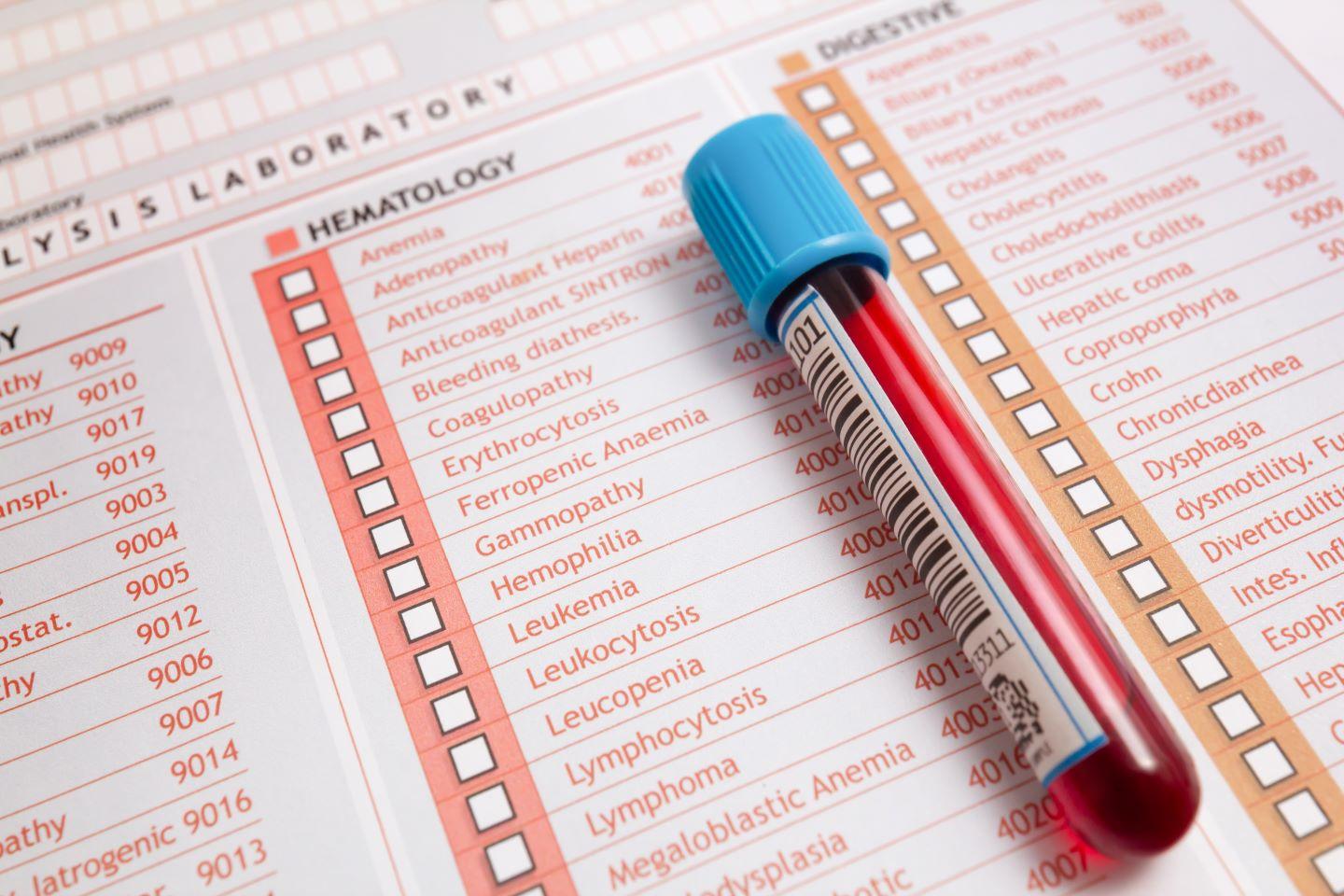
Understanding a hemoglobin electrophoresis test report can feel confusing, especially when it contains unfamiliar terms such as HbA, HbA2, HbF, HbS, and HbC. These values provide important information about the types of hemoglobin circulating in your blood and can help healthcare professionals identify inherited blood disorders, including sickle cell disease and thalassemia.
Hemoglobin Electrophoresis Test in Dubai is a specialized blood test that separates different types of hemoglobin to evaluate their proportions. Whether you have received this test as part of routine screening, pregnancy planning, anemia investigations, or a family history assessment, understanding the results can help you have a more informed conversation with your healthcare provider.
This guide uses a practical, report-reading approach: instead of simply explaining laboratory terminology, it explores what each value means, how different patterns are interpreted, and which findings may require further investigation.
What Is a Hemoglobin Electrophoresis Test and Why Is It Important?
Hemoglobin electrophoresis is a laboratory investigation that identifies and measures different hemoglobin types in a blood sample. Hemoglobin is an iron-containing protein inside red blood cells that transports oxygen from the lungs to different tissues and organs.
The test uses an electrical process to separate hemoglobin molecules according to their physical and chemical properties. Once separated, the laboratory measures the percentage of each hemoglobin type and reports the findings.
Doctors commonly recommend this test for several reasons:
-
Investigating unexplained anemia or persistently low red blood cell counts.
-
Detecting sickle cell trait and sickle cell disease.
-
Identifying alpha or beta thalassemia-related patterns.
-
Investigating abnormal red blood cell size, particularly microcytosis.
-
Screening couples before pregnancy when inherited blood disorders are a concern.
-
Evaluating individuals with a family history of hemoglobin disorders.
-
Investigating abnormal results from newborn screening.
The test may also be performed using related laboratory techniques, including high-performance liquid chromatography (HPLC) and capillary electrophoresis. These methods help identify and quantify different hemoglobin fractions.
Understanding the Main Hemoglobin Values on Your Report:
The most important step in reading a hemoglobin electrophoresis report is understanding what each abbreviation represents. Every hemoglobin fraction has a different role, and its percentage can provide clues about normal hemoglobin production or an inherited condition.
1. Hemoglobin A (HbA): The Main Adult Hemoglobin
Hemoglobin A is the primary hemoglobin type found in healthy adults. It consists of two alpha-globin chains and two beta-globin chains.
In adults without a hemoglobin disorder, HbA usually represents approximately 95% to 98% of total hemoglobin.
How to interpret HbA values:
-
A high proportion of HbA generally indicates the expected adult hemoglobin pattern.
-
A reduced HbA percentage may occur when abnormal hemoglobin variants are present.
-
An absent HbA level may suggest certain forms of sickle cell disease or severe beta-globin production disorders.
For example, a report showing HbA of 97% may indicate a typical adult pattern when the remaining fractions are also within the laboratory's reference ranges.
However, HbA should never be interpreted independently of HbA2, HbF, and other detected variants.
2. Hemoglobin A2 (HbA2): An Important Indicator of Beta Thalassemia
Hemoglobin A2 is a minor adult hemoglobin fraction made from two alpha chains and two delta chains.
Its percentage is particularly important when investigating beta thalassemia trait.
In many adult laboratories, normal HbA2 values are approximately 2% to 3.3%.
What different HbA2 levels may indicate:
-
Normal HbA2: Usually supports a typical adult hemoglobin pattern.
-
Elevated HbA2: May suggest beta thalassemia trait.
-
Low or borderline HbA2: May require further investigation when other blood test findings are abnormal.
For example, an HbA2 result of 4.5% may raise suspicion of beta thalassemia trait, particularly when accompanied by low mean corpuscular volume (MCV) and mean corpuscular hemoglobin (MCH).
Iron deficiency can sometimes reduce HbA2 levels and complicate interpretation. Therefore, doctors may recommend iron studies or repeat testing when appropriate.
3. Hemoglobin F (HbF): Understanding Fetal Hemoglobin
Hemoglobin F, also known as fetal hemoglobin, is the main hemoglobin type during pregnancy and early infancy.
As a child grows, HbF gradually decreases and adult hemoglobin becomes predominant. Healthy adults generally have very small amounts of HbF.
An increased HbF percentage may occur in:
-
Beta thalassemia.
-
Delta-beta thalassemia.
-
Hereditary persistence of fetal hemoglobin (HPFH).
-
Sickle cell disease.
-
Certain other inherited or acquired blood conditions.
For instance, an HbF level of 8% in an adult deserves further assessment, particularly if other hemoglobin fractions are abnormal.
However, increased fetal hemoglobin does not automatically mean that someone has a serious blood disorder. Age, medical history, and the overall electrophoresis pattern are essential for accurate interpretation.
4. Hemoglobin S (HbS): A Marker of Sickle Hemoglobin
Hemoglobin S is an abnormal hemoglobin variant associated with sickle cell conditions.
It develops because of an inherited change in the beta-globin gene. Under certain conditions, red blood cells containing HbS can become rigid and develop a sickle-like shape.
The presence of HbS may indicate sickle cell trait or sickle cell disease, depending on the combination of hemoglobin fractions.
For example:
-
HbAS generally indicates sickle cell trait.
-
HbSS generally indicates sickle cell disease.
-
HbSC generally indicates hemoglobin SC disease.
-
HbS with reduced HbA and increased HbA2 may raise suspicion of sickle beta thalassemia.
The distinction is important because carrying one sickle cell gene is different from having sickle cell disease.
5. Hemoglobin C (HbC) and Other Abnormal Variants
Some reports identify additional hemoglobin types, including HbC and HbE.
HbC is an inherited hemoglobin variant that can cause hemoglobin C disease when inherited in certain combinations.
HbE is another inherited variant, particularly associated with populations from Southeast Asia. It may occur alone or alongside beta thalassemia.
The identification of these variants helps doctors determine whether further testing, genetic counseling, or specialist assessment is needed.
Normal Hemoglobin Electrophoresis Values: A Quick Reference Table
The following table provides approximate adult reference ranges to help readers understand common hemoglobin electrophoresis results.
|
Hemoglobin type |
Typical adult value |
General interpretation |
|---|---|---|
|
HbA |
95–98% |
Main adult hemoglobin |
|
HbA2 |
2–3.3% |
Minor adult hemoglobin |
|
HbF |
Usually below 1% |
Fetal hemoglobin |
|
HbS |
0% |
Normally absent |
|
HbC |
0% |
Normally absent |
|
HbE |
0% |
Normally absent |
These values are general examples, not universal diagnostic cutoffs. Reference intervals vary between laboratories, testing methods, and age groups. Infants naturally have higher HbF levels than adults. Always compare your results with the reference ranges printed on your actual laboratory report.
How to Recognize Common Hemoglobin Electrophoresis Patterns?
Looking at individual hemoglobin values is useful, but identifying the overall pattern is often more important. Certain combinations can suggest particular inherited blood conditions.
Normal Adult Hemoglobin Pattern
A typical adult pattern contains:
-
Predominantly HbA.
-
A small percentage of HbA2.
-
Very little HbF.
-
No significant abnormal hemoglobin variants.
This pattern generally supports normal adult hemoglobin production, although it does not exclude every inherited blood disorder.
Beta Thalassemia Trait Pattern
Beta thalassemia trait occurs when a person inherits one altered beta-globin gene.
Common laboratory findings include:
-
Increased HbA2.
-
Sometimes increased HbF.
-
Reduced MCV and MCH.
-
Mild anemia or normal hemoglobin concentration.
Individuals with beta thalassemia trait often have no significant symptoms but can pass the altered gene to their children.
Sickle Cell Trait Pattern
Sickle cell trait usually occurs when someone inherits one normal beta-globin gene and one gene responsible for HbS production.
The electrophoresis report generally shows both HbA and HbS, with HbA usually being the larger fraction.
Most people with sickle cell trait do not experience the complications associated with sickle cell disease. However, understanding carrier status is important for reproductive planning.
Sickle Cell Disease Pattern
In sickle cell disease, the electrophoresis pattern depends on the specific genetic combination.
For example, HbSS typically shows HbS as the predominant fraction without HbA. HbSC shows both HbS and HbC, while sickle beta thalassemia can produce a combination of HbS, HbA2, and variable HbA.
These patterns require specialist interpretation rather than diagnosis based on one percentage alone.
What Do Abnormal Hemoglobin Electrophoresis Results Mean?
An abnormal hemoglobin electrophoresis result does not always indicate a serious illness. Some findings represent carrier conditions, while others may indicate an inherited blood disorder requiring medical attention.
The interpretation depends on the combination of hemoglobin fractions, complete blood count (CBC) findings, and clinical history.
High HbA2 Levels
Elevated HbA2 is commonly associated with beta thalassemia trait. However, other factors, including certain genetic conditions and laboratory variations, can influence the result.
Doctors may recommend additional investigations to confirm the diagnosis.
Increased HbF Levels
Higher-than-expected HbF in adults can occur in hereditary persistence of fetal hemoglobin, thalassemia syndromes, and sickle cell disorders.
The degree of elevation and the presence of other abnormal fractions help narrow down the possible explanation.
Reduced or Absent HbA
A reduced HbA percentage can indicate that another hemoglobin variant is taking up a larger proportion of total hemoglobin.
Complete absence of HbA is an important finding in conditions such as HbSS and sickle beta-zero thalassemia.
Presence of HbS, HbC, or HbE
The detection of an abnormal hemoglobin variant requires further interpretation. Doctors consider whether the individual carries one altered gene or has inherited two relevant abnormal gene copies.
In some cases, confirmatory genetic testing is necessary.
Why Hemoglobin Electrophoresis Results Should Be Compared With Other Blood Tests?
Hemoglobin electrophoresis provides valuable information, but it is not always sufficient to establish a complete diagnosis.
Doctors commonly compare the findings with other laboratory investigations.
Complete Blood Count (CBC): Measures hemoglobin concentration, red blood cell count, hematocrit, and other important blood parameters.
Mean Corpuscular Volume (MCV): Indicates the average size of red blood cells. A low MCV may suggest iron deficiency or thalassemia.
Mean Corpuscular Hemoglobin (MCH): Measures the average amount of hemoglobin in individual red blood cells.
Serum Ferritin and Iron Studies: Help identify iron deficiency, which can complicate the interpretation of HbA2.
Genetic Testing: May help identify specific inherited mutations when electrophoresis findings are inconclusive or when alpha thalassemia is suspected.
Importantly, alpha thalassemia cannot always be detected through routine hemoglobin electrophoresis. Molecular testing may be required in selected cases.
Factors That Can Affect Hemoglobin Electrophoresis Test Results:
Several factors can influence the accuracy and interpretation of a hemoglobin electrophoresis report.
-
Recent blood transfusion: Donor red blood cells can change the measured hemoglobin fractions. Inform your doctor if you received a transfusion within the previous three months.
-
Age: Newborns and young infants naturally have higher HbF levels.
-
Iron deficiency: Low iron levels can affect HbA2 measurements and potentially complicate beta thalassemia screening.
-
Pregnancy: Pregnancy-related changes and the need for timely carrier screening should be considered during interpretation.
-
Testing method: HPLC, capillary electrophoresis, and other techniques may have different reference intervals and limitations.
If your results appear inconsistent with your symptoms or other blood tests, your healthcare provider may recommend repeat testing or an alternative diagnostic method.
When Should You Consult a Doctor About Your Results?
You should discuss your hemoglobin electrophoresis report with a qualified healthcare professional if it identifies an abnormal hemoglobin variant, elevated HbA2, unexpectedly high HbF, or reduced HbA.
Medical consultation is particularly important when:
-
You have persistent anemia or unexplained fatigue.
-
Your family has a history of thalassemia or sickle cell disease.
-
You are planning a pregnancy and have been identified as a carrier.
-
Your CBC shows unexplained low MCV or MCH.
-
You have received a report suggesting an inherited hemoglobin disorder.
If both partners carry relevant hemoglobin variants, genetic counseling can help explain the potential risks to their children and available reproductive testing options.
Frequently Asked Questions About Hemoglobin Electrophoresis Test Report Values:
1. What is the normal HbA level in adults?
HbA generally accounts for approximately 95% to 98% of total hemoglobin in healthy adults. The exact reference range depends on the laboratory and testing method.
2. Does high HbA2 always mean beta thalassemia?
No. Elevated HbA2 is an important indicator of beta thalassemia trait, but it is not sufficient for diagnosis by itself. Other laboratory findings and clinical information should also be considered.
3. Can hemoglobin electrophoresis detect sickle cell trait?
Yes. The test can identify HbS and help distinguish sickle cell trait from different forms of sickle cell disease by evaluating the overall hemoglobin pattern.
4. What does HbF mean on an adult blood test?
HbF represents fetal hemoglobin. Small amounts may be present in healthy adults, but higher levels can occur in certain inherited blood disorders and other conditions.
5. Can a normal hemoglobin electrophoresis report rule out thalassemia?
Not completely. Some forms of alpha thalassemia may not produce recognizable abnormalities on routine hemoglobin electrophoresis. Additional molecular testing may be necessary when clinical findings suggest the condition.
6. Does hemoglobin electrophoresis require fasting?
Generally, no special preparation or fasting is required. However, follow any specific instructions provided by your laboratory or healthcare professional.
Final Thoughts: Read the Complete Pattern, Not Just One Number
Understanding hemoglobin electrophoresis Lab tests report values becomes easier when you know the purpose of each hemoglobin fraction. HbA indicates the main adult hemoglobin, HbA2 helps investigate beta thalassemia, HbF represents fetal hemoglobin, and abnormal variants such as HbS, HbC, and HbE can provide clues about inherited blood conditions.
The most important point is that no single percentage should determine a diagnosis. A reliable interpretation considers the complete hemoglobin pattern, CBC results, iron status, age, family history, and previous blood transfusions.
If your report contains unusual findings, discuss them with your doctor or a hematologist. Proper interpretation and timely follow-up can help identify inherited blood disorders, clarify carrier status, and support informed healthcare and family planning decisions.

 English
 French
 Spanish
 Portuguese
 Deutsch
 Turkish
 Dutch
 Italiano
 Russian
 Romaian
 Portuguese (Brazil)
 Greek