


Best Budget Cell Phone: How to Choose the Right Smartphone in 2026
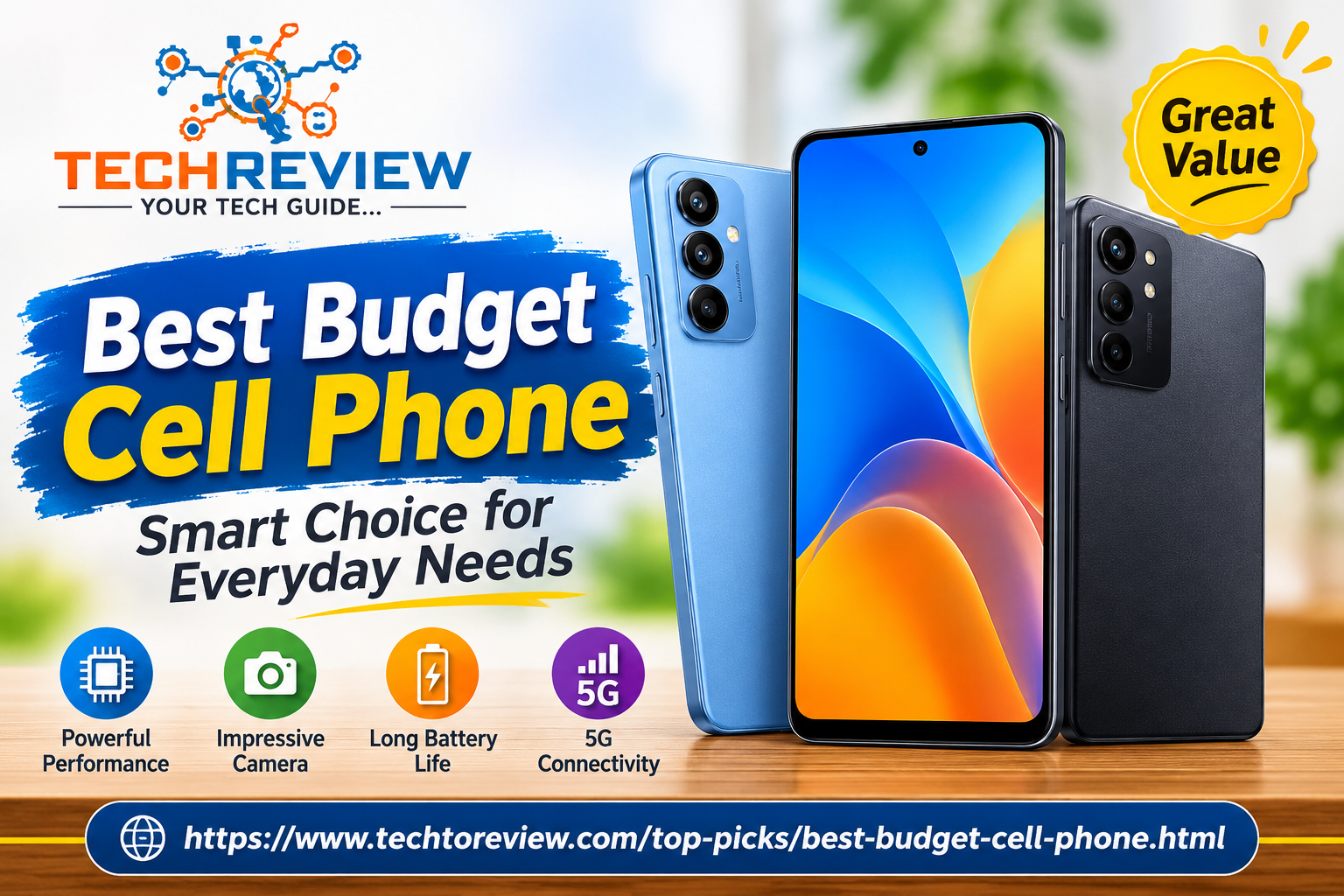
Buying a new smartphone does not always mean spending a large amount of money. Today's smartphone market offers several affordable devices with impressive displays, reliable processors, good cameras, and long-lasting batteries. However, choosing the right device can be challenging because different brands offer similar specifications at competitive prices. Finding the best budget cell phone requires understanding your daily requirements and identifying which features provide the most value.
Whether you need a smartphone for online classes, office work, entertainment, photography, or everyday communication, comparing essential features can help you make a better decision. Here is what you should consider before purchasing your next smartphone.
1. Check the Processor and Overall Performance
The processor is one of the most important components of a smartphone because it determines how smoothly applications and everyday tasks operate. A capable chipset helps with multitasking, browsing, video streaming, and casual gaming.
When comparing budget smartphones, look at processors from established manufacturers such as Qualcomm, MediaTek, and other reputable chipset providers. Also, consider the processor generation rather than judging performance by its name alone.
If you regularly use multiple applications, choose a device with a capable processor and sufficient RAM. A combination of at least 6GB RAM and 128GB storage is a useful starting point when your budget allows.
2. Choose a Good Display
The display directly affects your smartphone experience because you use it for reading, watching videos, browsing social media, and playing games.
Most affordable smartphones feature LCD or AMOLED displays. LCD panels can offer good value, while AMOLED technology generally provides deeper blacks, better contrast, and vibrant colours.
Another important specification is the refresh rate. A 90Hz or 120Hz display can provide smoother scrolling and animations compared with a standard 60Hz screen.
If you spend several hours watching videos or using social media, consider display brightness, resolution, colour reproduction, and viewing comfort before making your purchase.
3. Consider Camera Quality
Camera quality is another important factor when selecting a smartphone. Many affordable devices advertise high-megapixel camera sensors, but megapixels alone do not determine the quality of photographs.
Image processing, sensor quality, aperture, and software optimisation also influence the final results. Therefore, check actual camera samples and reviews before selecting a device.
Look for the following camera features:
-
A reliable primary camera for everyday photography.
-
Good HDR performance for photographs in bright sunlight.
-
Night photography capabilities for low-light situations.
-
A front camera suitable for video calls and selfies.
-
Stable video recording for everyday content creation.
The best budget cell phone should offer dependable camera performance without compromising other essential features.
4. Look for Long Battery Life and Fast Charging
Battery capacity plays an important role in determining how long your smartphone can operate between charges. Most modern affordable smartphones offer batteries ranging from approximately 5,000mAh to 6,500mAh, although capacity varies by model.
A larger battery can be useful if you regularly travel, watch videos, attend online meetings, or spend considerable time browsing the internet.
Fast charging is another feature worth considering. Check the supported charging speed and whether a compatible charger is included in the retail package.
When comparing budget smartphones, do not rely entirely on battery capacity. Processor efficiency, display technology, network usage, and software optimisation also affect battery performance.
5. Check 5G Connectivity and Storage
Connectivity is an important consideration when purchasing a new smartphone. If you want access to compatible next-generation mobile networks, check whether the device supports 5G connectivity and the required network bands.
However, 5G availability depends on your location, network provider, and mobile plan. A 4G smartphone may still be suitable for users who primarily need calling, messaging, browsing, and basic applications.
Storage is equally important. Applications, photographs, videos, and downloaded files can quickly consume available space. A smartphone with 128GB internal storage is generally a practical starting point for many users.
Expandable storage can also be helpful if you regularly save large files.
6. Pay Attention to Software and Security Updates
Software support is often overlooked when buying an affordable smartphone. However, it directly affects the device's long-term usability and security.
Before purchasing, check the Android version, manufacturer's update policy, and expected security support. Regular updates help improve system stability, fix security vulnerabilities, and introduce useful features.
Also, examine the user interface. Some smartphones include unnecessary pre-installed applications and promotional notifications, which can affect the overall experience.
A clean and easy-to-use interface can make everyday smartphone usage more convenient.
7. Compare Prices Before Making a Purchase
Once you have shortlisted a few devices, compare their prices across different online marketplaces and authorised retail stores. Platforms such as Amazon India and Flipkart frequently offer discounts, exchange deals, and bank offers.
However, avoid selecting a smartphone simply because it has the lowest price. Compare its processor, display, battery, camera, storage, and software support.
The best budget cell phone is not necessarily the device with the highest specifications. It is the one that provides the right combination of features for your requirements.
You should also check the warranty, service centre availability, return policy, and customer feedback before completing your purchase.
Which Smartphone Should You Choose?
Your ideal smartphone depends on how you plan to use it.
-
For students: Prioritise battery life, sufficient storage, and smooth everyday performance.
-
For office users: Look for reliable connectivity, multitasking capabilities, and dependable software.
-
For photography enthusiasts: Consider camera processing, image quality, and video recording capabilities.
-
For gamers: Choose a capable processor, sufficient RAM, and an effective cooling system.
-
For frequent travellers: Prioritise battery backup, network connectivity, and durable construction.
Comparing these requirements will help you narrow down the available budget smartphones and avoid spending money on features you rarely use.
Final Thoughts
Choosing an affordable smartphone becomes easier when you understand your priorities. Instead of focusing only on marketing claims, compare real-world performance, camera results, battery backup, display quality, and software support.
The best budget cell phone should deliver a dependable experience while staying within your spending limit. Take time to compare different models, read genuine customer reviews, and check current offers before making a final decision. A little research can help you find a smartphone that meets your needs and offers good value for money.

 Arabic
 French
 Spanish
 Portuguese
 Deutsch
 Turkish
 Dutch
 Italiano
 Russian
 Romaian
 Portuguese (Brazil)
 Greek