


How Can kingschains Check Label and Robot Compatibility?
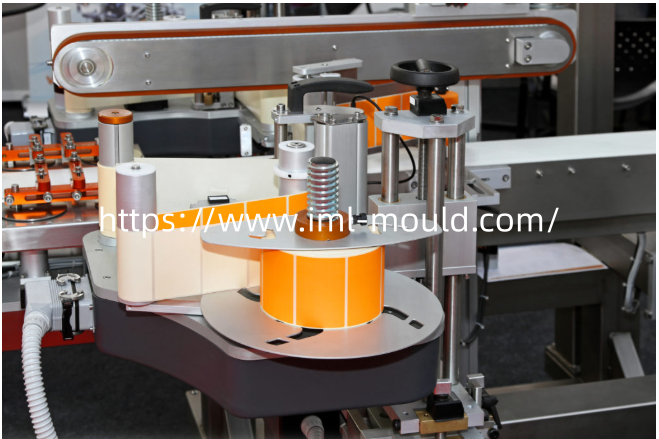
Iml Mould projects require careful coordination between product design, label materials, tooling structure, and automation equipment. Buyers should not evaluate a supplier only by quotation price or sample appearance. The actual production result depends on how well these elements work together under agreed operating conditions. Before placing an order, purchasing teams should examine the supplier's technical planning, project communication, testing arrangements, and support capabilities.
Check Experience with Similar Packaging Applications
Different packaging products have different structural and visual requirements. Cups, food containers, lids, tubs, and storage boxes may require different cavity layouts, label areas, cooling arrangements, and ejection methods.
Ask the supplier about previous projects with similar dimensions, materials, and production targets. Request sample photographs, technical drawings, or project references where available. These materials can help you understand whether the supplier has handled comparable product structures.
It is also useful to discuss the intended application. Food packaging, for example, may require particular attention to rim dimensions, lid fit, stacking stability, and surface appearance. Sharing the product's intended use helps the engineering team evaluate relevant design details before preparing a proposal.
Examine Label Positioning and Holding Methods
Label placement is a central technical consideration in this type of packaging project. A label that shifts, wrinkles, or traps air can affect the finished product's appearance and acceptance rate.
Buyers should ask how the label is held inside each cavity. Depending on the design, the system may use vacuum channels, static charge, or another positioning arrangement. The supplier should explain how label placement is controlled and how the design accommodates the label's dimensions, thickness, stiffness, and printed area.
Pay attention to the relationship between label edges, product geometry, gate location, and cavity surfaces. These details influence alignment and the appearance of the finished container. It is advisable to provide approved artwork and label samples during the engineering review rather than waiting until the trial stage.
Confirm Compatibility with Robots and Production Machines
Automation compatibility should be reviewed before tooling design is finalized. The robot must have sufficient access to place labels, remove finished products, and operate within the planned production cycle.
Buyers should provide the existing machine model or the specifications of equipment planned for purchase. Relevant information includes platen dimensions, tie-bar spacing, opening stroke, clamping force, ejector arrangement, and available robot interfaces.
The engineering team should also review cavity spacing, robot entry direction, label magazine position, vacuum connections, and the product take-out path. If any auxiliary equipment is required, such as a chiller, dryer, or material loader, its operating requirements should be included in the project discussion.
A complete compatibility review can reduce the chance of unexpected modifications after equipment installation.
Review Cavity Balance and Cooling Design
For multi-cavity projects, each cavity should produce parts that meet the agreed dimensional and appearance requirements. Differences in filling, cooling, or ejection can create variations between individual products.
Ask how the supplier evaluates filling balance and cooling performance. The discussion may include runner layout, gate position, water channel arrangement, venting, and ejection structure. Buyers should also confirm whether samples from every cavity will be inspected during the trial.
Cooling deserves particular attention because it influences cycle conditions, product deformation, and dimensional stability. A suitable layout should consider the product geometry and the planned production rhythm rather than relying on a generic design.
Set Clear Trial and Acceptance Requirements
A sample trial should follow conditions that reflect the buyer's intended production environment. Before testing, confirm the resin grade, label material, machine model, robot settings, sample quantity, and target operating conditions.
The inspection plan can cover:
Label alignment and edge position
Wrinkles, bubbles, and visible surface marks
Label bonding and print appearance
Product dimensions and wall thickness
Rim shape, lid fit, and stacking performance
Part weight and cavity-to-cavity variation
Cycle conditions and repeated operation
Ask for trial records, inspection results, and samples from each cavity. If adjustments are required, document the issue and agree on the correction before final approval. This creates a clear reference for later production.
Understand Documentation and Maintenance Support
A supplier's responsibilities should not end when the equipment is shipped. Buyers should confirm which documents will be provided, including approved drawings, material information, trial records, connection diagrams, spare-part lists, and maintenance instructions.
It is also worth asking how the supplier handles technical questions after installation. Clarify whether remote assistance, operator guidance, replacement components, and repair recommendations are included in the commercial agreement.
Before comparing quotations, check whether each proposal covers the same scope of work. A lower initial price may exclude items such as trial adjustments, spare parts, or automation coordination. Reviewing these details helps purchasing teams compare the actual project responsibilities.For buyers working with kingschains, organizing product drawings, label artwork, resin information, machine specifications, and output targets can make technical discussions more productive. Before confirming an order, ensure that the label system, automation interfaces, trial criteria, and delivery documents have been reviewed. To review relevant product information and discuss project requirements, visit https://www.iml-mould.com/product/ and prepare the available drawings or samples for the next technical evaluation.

 English
 Arabic
 French
 Spanish
 Deutsch
 Turkish
 Dutch
 Italiano
 Russian
 Romaian
 Portuguese (Brazil)
 Greek