


Ball Bearing vs. Sleeve Bearing: Key Motor Differences
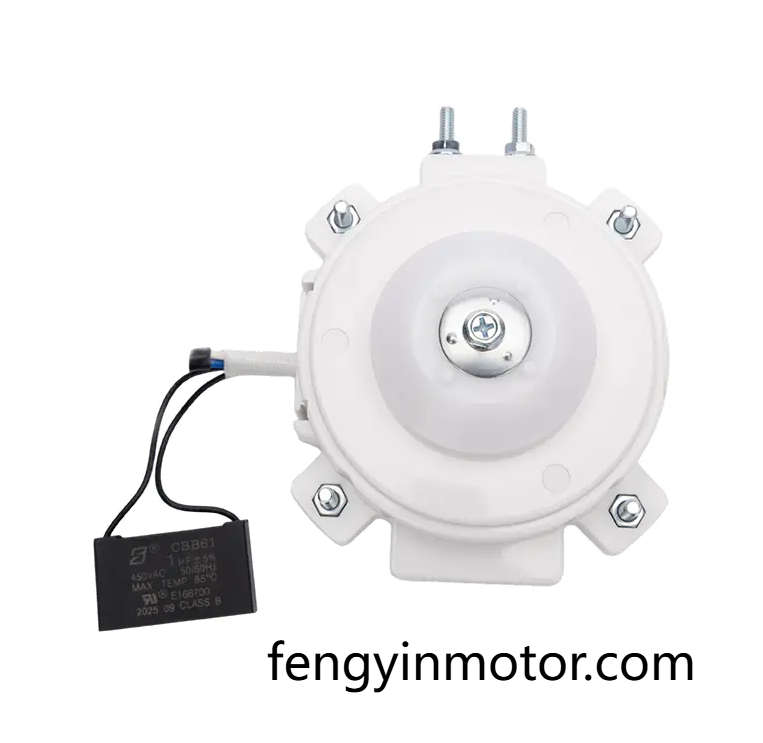
When choosing an electric motor for ventilation or cooling equipment, the bearing structure is an important factor to consider. A Ball Bearing Fan Motor and a sleeve bearing motor may serve similar purposes, but their internal designs, operating characteristics, and maintenance requirements are different. Understanding these differences helps equipment manufacturers select suitable motor solutions based on installation conditions, operating habits, and long-term equipment needs.
Understanding Ball Bearing Motor Construction
A ball bearing motor uses rolling elements positioned between inner and outer bearing rings. These elements help support the rotating shaft and allow it to move with reduced friction.
This structure is commonly considered for applications where stable shaft support and flexibility in installation are important. Ball bearings can accommodate different operating conditions depending on their design and construction.
Another characteristic is their ability to support radial loads and, depending on the bearing arrangement, certain axial loads. This makes them suitable for various motor applications where shaft positioning and mechanical stability matter.
For equipment manufacturers, understanding the bearing arrangement is useful when evaluating motor compatibility. The bearing should work with the motor structure and the demands of the complete equipment rather than being selected independently.
How Sleeve Bearing Motors Work
Sleeve bearings use a different support principle. Instead of rolling elements, they rely on a smooth bearing surface surrounding the rotating shaft. During operation, a lubricating film helps separate the shaft from the bearing surface and reduces direct contact.
This construction is relatively straightforward and is used in various compact motor applications. Its performance depends on factors such as lubrication conditions, shaft alignment, operating environment, and the quality of the bearing materials.
Sleeve bearing designs may be suitable for equipment where the installation arrangement and operating conditions are compatible with their characteristics.
However, their performance can be more sensitive to installation orientation and lubrication conditions. Manufacturers should consider these factors when deciding whether a sleeve bearing motor fits the intended application.
Differences in Friction and Operating Characteristics
One of the main differences between the two bearing types is how they manage movement between the shaft and the bearing structure.
Ball bearings use rolling contact, while sleeve bearings rely on a lubricating film between sliding surfaces. These different mechanisms influence friction behavior, starting characteristics, and operating conditions.
Ball bearing motors are often considered when equipment requires greater flexibility in installation and consistent shaft support. Sleeve bearing motors may offer a suitable solution for applications with relatively stable operating conditions and compatible mounting arrangements.
It is important to recognize that bearing performance is also influenced by manufacturing quality, lubrication, assembly accuracy, and the surrounding environment. The bearing category alone does not determine the overall quality of a motor.
Noise and Operating Comfort
Noise is another consideration when comparing bearing types. Household appliances, office ventilation products, and other indoor equipment may require particular attention to operating sound.
Ball bearing motors can produce characteristic mechanical noise associated with rolling contact. Sleeve bearing motors may offer quieter operation under suitable conditions, particularly when lubrication and shaft alignment are properly maintained.
However, noise levels are not determined by bearing design alone. Motor balance, housing construction, installation quality, and operating conditions can all influence the sound produced by the complete assembly.
Manufacturers should therefore evaluate the motor within its intended equipment structure rather than relying exclusively on general assumptions about bearing noise.
Maintenance and Service Considerations
Maintenance requirements also differ between the two designs.
Ball bearings are often selected for applications where consistent mechanical support and practical maintenance arrangements are important. Their service condition depends on bearing quality, lubrication, contamination control, and operating loads.
Sleeve bearings require appropriate lubrication to maintain the film between the shaft and bearing surface. If lubrication becomes inadequate or contaminants enter the bearing area, friction and wear may increase.
For equipment manufacturers, maintenance accessibility should be considered during product development. A motor that is difficult to inspect or replace may create additional challenges during equipment servicing.
The intended service environment should also influence the selection. Equipment operating in dusty or humid surroundings may require additional attention to bearing protection and maintenance arrangements.
Which Bearing Type Is Suitable for Different Applications?
Ball bearing motors are commonly considered for ventilation systems, industrial equipment, and applications where installation flexibility is relevant. Their construction can support different equipment arrangements when the bearing and motor are properly selected.
Sleeve bearing motors may be considered for household appliances, compact ventilation products, and other equipment designed around compatible operating conditions.
Neither option is universally suitable. Buyers should consider installation orientation, expected operating frequency, maintenance access, noise expectations, and the overall motor structure before making a decision.
A clear understanding of the equipment's working environment is more useful than choosing a bearing type based only on general product descriptions.
Choosing the Right Motor Manufacturing Partner
Bearing selection should be part of a broader motor purchasing decision. Buyers should also evaluate manufacturing consistency, component quality, assembly processes, and the supplier's understanding of different application requirements.
An experienced Electric Motor Manufacturer can help customers assess whether a Ball Bearing Electric Motor or another bearing arrangement is appropriate for their equipment.
Hangzhou Fengyin Motor Manufacturing Co., Ltd. provides information about its motor manufacturing business at https://www.fengyinmotor.com Equipment manufacturers and purchasing professionals can explore the company's product information and communicate their application requirements when evaluating potential motor solutions.

 English
 Arabic
 French
 Spanish
 Portuguese
 Deutsch
 Dutch
 Italiano
 Russian
 Romaian
 Portuguese (Brazil)
 Greek