


Exploring the Relationship Between Decorative Film Quality and Interior Design
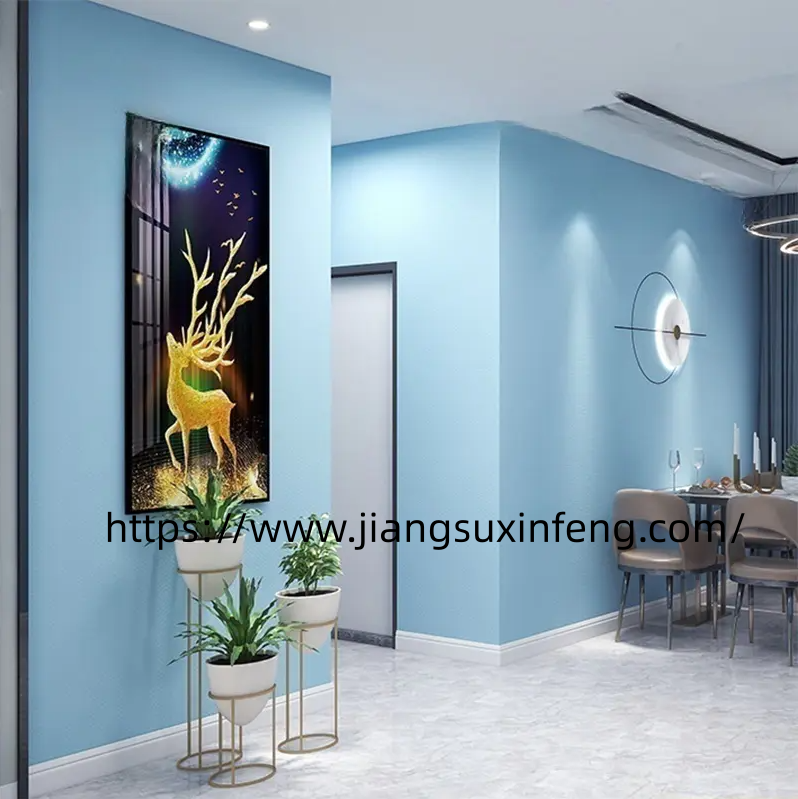
Interior renovation is no longer limited to replacing furniture, repainting walls, or introducing new decorative objects. Material innovation has created additional ways to change the character of an existing space while preserving much of its original structure. Among these options, Interior Film has attracted attention from furniture manufacturers, renovation professionals, and interior designers because it offers a flexible approach to surface renewal. Its combination of decorative possibilities and practical application makes it relevant to projects where appearance, material efficiency, and installation convenience need to be considered together.
The development of decorative films starts with understanding how different materials contribute to the finished product. PVC remains a widely used choice because it can be processed into flexible films with varied surface characteristics. Its adaptability allows manufacturers to develop products with different textures, colors, and decorative effects. Depending on the intended application, additional functional layers may be introduced to improve surface protection, printing performance, or bonding characteristics.
The interaction between these layers is important. The base material provides the foundation, while printing creates the visual pattern and surface treatments influence the final appearance and handling properties. Adhesive systems also affect how the film attaches to furniture, panels, and other substrates. Manufacturers must consider these elements together rather than treating the decorative layer as an isolated product. A well-coordinated material structure can help achieve a more consistent appearance during installation and everyday use.
For buyers, choosing a suitable decorative material begins with understanding the purpose of the renovation. Updating an old wardrobe involves different considerations from refreshing a kitchen cabinet, office reception desk, hotel wall panel, or retail display. Some projects require a natural visual effect, while others prioritize easy maintenance, surface coverage, or compatibility with existing furniture materials. Identifying the main purpose before purchasing can prevent unnecessary costs and unsuitable material choices.
The condition of the application surface deserves equal attention. Existing finishes may contain scratches, dust, grease, peeling coatings, or uneven areas that influence adhesion. Buyers should understand whether their intended substrate is appropriate for the selected product and whether additional preparation is necessary. It is also useful to request samples, compare colors under actual indoor lighting, and examine the texture before confirming a larger order. Working with a manufacturer that understands different application environments can make this selection process more effective.
Manufacturing technology has an important influence on the visual and functional consistency of decorative films. Calendering is used to create the film base, while printing processes introduce patterns and colors. Surface coating can provide different finishing effects, and lamination allows manufacturers to combine materials for specific decorative or functional purposes. Each stage requires coordination because inconsistencies introduced during one process may affect the appearance or handling of the finished material.
Digital design and modern printing methods have also expanded the possibilities of decorative surface development. Instead of relying only on traditional patterns, manufacturers can create more detailed wood textures, stone-inspired appearances, and customized graphic designs. Surface embossing and finishing techniques can further influence how a pattern looks and feels. These developments allow decorative materials to respond to changing preferences without requiring designers to depend entirely on natural wood, stone, or other expensive surface materials.
Installation experience is another factor that affects how users evaluate decorative films. Flexible materials can accommodate different furniture components and selected curved surfaces when the product is designed for that purpose. Self-adhesive constructions offer a convenient application method, while certain products incorporate air-release features that help installers manage bubbles during placement. Proper preparation, careful alignment, and appropriate installation tools remain important for achieving a smooth result.
In renovation projects, reducing unnecessary replacement work can also influence purchasing decisions. When an existing cabinet, door, or furniture structure remains functional, changing its exterior finish may provide an alternative to purchasing an entirely new product. This approach can be particularly useful in rental properties, hotels, offices, and commercial environments where maintaining a consistent interior appearance is important. However, decorative films are surface materials rather than structural repair products, so the condition of the original furniture should always be evaluated before application.
Appearance plays a central role in the way decorative materials influence interior design. Natural wood patterns can introduce warmth into living spaces, while marble-inspired finishes create a more refined visual atmosphere. Matte surfaces provide a restrained appearance, whereas glossy finishes can reflect light and create a brighter impression. Metallic textures, fabric-inspired patterns, and understated solid colors offer additional choices for designers working with different architectural styles.
Color coordination is equally important when several surfaces are being renovated together. Cabinet doors, wall panels, furniture edges, and decorative details should complement one another rather than compete for attention. Designers may use contrasting finishes to establish visual focal points or select coordinated textures to create a more unified environment. The tactile quality of a surface also influences the experience of a space, making texture development an important part of contemporary decorative material design.
Jiangsu Xinfeng Star Film Materials Co., Ltd. brings together material development and manufacturing experience in PVC calendered films, thermofoil decorative films, self-adhesive films, and release liners. Its production processes include calendering, printing, surface coating, and multilayer lamination, supporting the development of decorative materials for furniture refurbishment and interior applications. Its product collections cover natural wood-inspired patterns, decorative textures, and different surface finishes, providing options for manufacturers, renovation contractors, and interior design businesses. Companies interested in exploring its decorative material solutions and manufacturing capabilities can visit its official website at https://www.jiangsuxinfeng.com/

 English
 Arabic
 French
 Spanish
 Portuguese
 Deutsch
 Turkish
 Dutch
 Italiano
 Russian
 Romaian
 Portuguese (Brazil)