


Detecting Hardware Issues Through Server Administration Services across IT teams
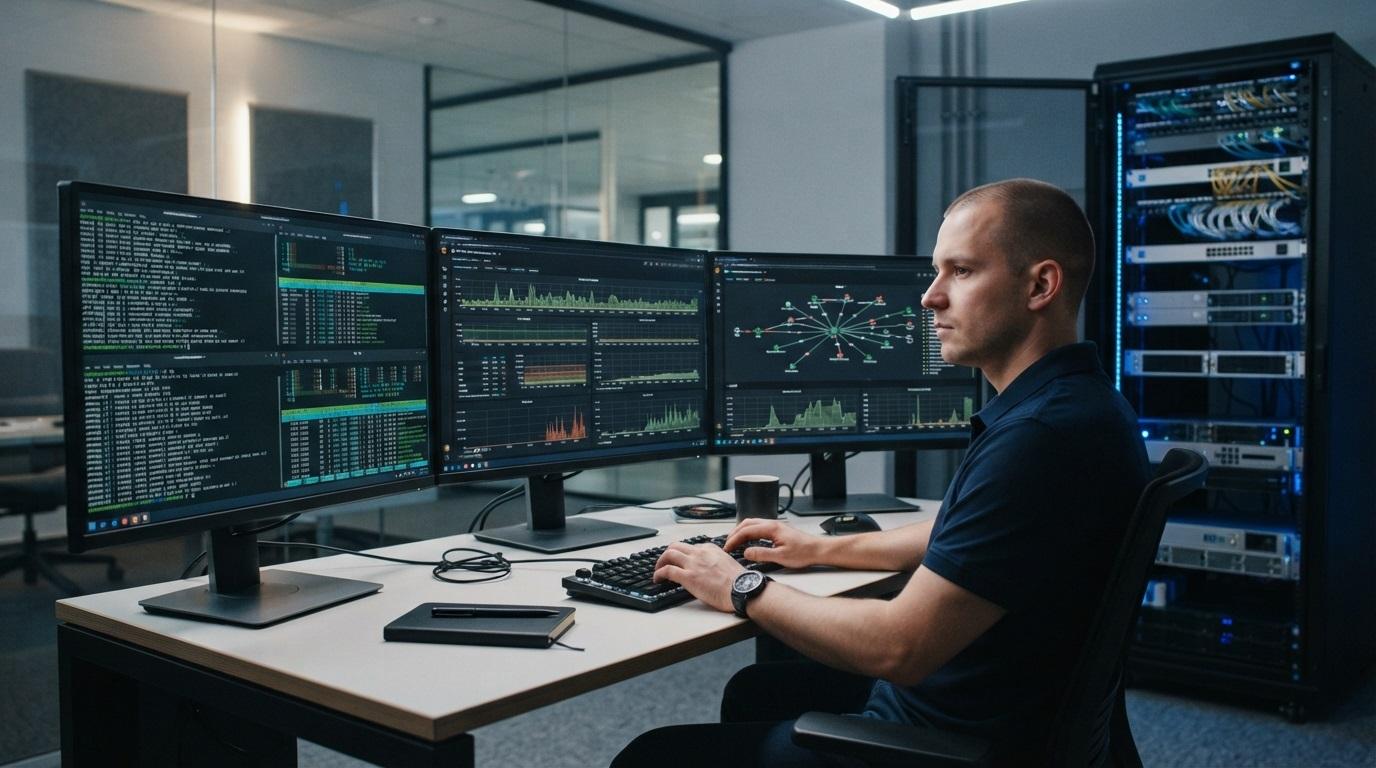
Detecting hardware issues before they affect business operations is an important responsibility for modern IT teams. Servers support essential applications, databases, websites, and internal systems, so even a small hardware problem can interrupt daily activities. Regular monitoring and maintenance help IT professionals identify unusual performance changes and address technical concerns before they become larger problems. With reliable server administration services, organizations can improve hardware monitoring, maintain system stability, and ensure that their infrastructure continues operating efficiently. These services help IT teams observe server conditions, review performance reports, and recognize early signs of hardware-related difficulties.
One of the most common ways to detect hardware issues is through continuous server monitoring. IT administrators regularly examine processor usage, memory consumption, storage capacity, and system temperatures. Unexpected changes in these measurements can indicate that a hardware component requires attention. For example, unusually high processor temperatures may suggest cooling problems, while repeated memory errors can indicate an issue with installed RAM. Monitoring tools collect this information and provide useful reports that help technical teams understand the condition of their servers.
Storage devices also require regular inspection because they play an important role in maintaining data accessibility and system performance. Hard drives and solid-state drives can develop performance problems over time. Slow read and write operations, unusual device activity, and increasing storage errors may indicate that a drive needs further examination. IT professionals can use diagnostic utilities and drive health monitoring tools to review storage conditions. Identifying these warning signs early allows administrators to plan maintenance and reduce unexpected interruptions.
Another important area of hardware management involves server cooling systems. Servers generate heat while processing applications and handling different workloads. Cooling fans, ventilation systems, and temperature sensors help maintain suitable operating conditions. When a cooling fan becomes less effective or airflow is restricted, internal temperatures may increase. IT teams should regularly inspect cooling components, review temperature alerts, and ensure that server rooms maintain appropriate environmental conditions. These practices support hardware reliability and help prevent performance-related complications.
Collaboration between IT departments is equally important when investigating hardware problems. Network administrators, system administrators, and technical support professionals often observe different aspects of server performance. Sharing monitoring reports, maintenance records, and diagnostic findings helps teams develop a clearer understanding of potential problems. For example, network specialists may identify connectivity interruptions, while system administrators investigate hardware logs and resource usage. Working together allows teams to compare findings and determine whether an issue originates from hardware, software, or network configuration.
Preventive maintenance further strengthens hardware management practices. IT administrators can schedule routine inspections, review system logs, update firmware when appropriate, and replace components that show signs of deterioration. Maintaining accurate hardware inventories also helps organizations track equipment age, specifications, warranty information, and previous maintenance activities. This information makes it easier to plan upgrades and manage infrastructure resources effectively.
In conclusion, detecting hardware issues requires consistent monitoring, technical knowledge, and effective communication across IT teams. By examining server performance, checking storage health, maintaining cooling systems, and conducting preventive inspections, organizations can improve infrastructure reliability. A structured server management approach helps technical professionals identify concerns early and maintain dependable IT operations.

 English
 Arabic
 French
 Spanish
 Deutsch
 Turkish
 Dutch
 Italiano
 Russian
 Romaian
 Portuguese (Brazil)
 Greek