


Abu Dhabi's Urban Planning Story: How Architecture Shaped the Modern Capital
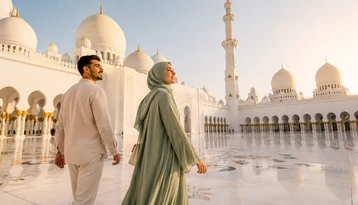
Abu Dhabi is a remarkable example of how thoughtful urban planning and innovative architecture can transform a small coastal settlement into a modern global capital. Known for its impressive skyline, beautiful waterfronts, cultural landmarks, and well-organised roads, the city reflects a unique combination of traditional Arabian identity and contemporary design. From historic neighbourhoods to futuristic developments, every part of Abu Dhabi tells a story about its growth and ambition.
For visitors interested in discovering the city's architectural beauty and urban development, an Abu Dhabi private tour offers an excellent opportunity to explore its iconic landmarks, modern districts, and cultural attractions at a comfortable pace. Understanding the city's planning history makes sightseeing even more interesting because it reveals how architecture has shaped Abu Dhabi into the destination it is today.
The Early Beginnings of Abu Dhabi's Urban Development
Before becoming a modern capital, Abu Dhabi was a relatively small settlement supported by fishing, pearl diving, and maritime trade. Its early communities were closely connected to the coastline, with traditional houses, narrow streets, and simple marketplaces forming the heart of everyday life.
The discovery of oil in the 1950s transformed the city's economic future. As oil revenues increased, Abu Dhabi began investing in infrastructure, public facilities, housing, and transportation. This period marked the beginning of large-scale urban development.
One of the most influential figures in the city's early transformation was Sheikh Zayed bin Sultan Al Nahyan, the founding father of the UAE. His vision focused on improving living standards while developing a modern city that respected local traditions.
The Influence of Modern Urban Planning
Abu Dhabi's modern urban planning developed around the need to accommodate a growing population while creating an organised and accessible city. In its early expansion, the city adopted a grid-based road layout, making navigation and infrastructure development easier.
Wide roads, organised residential areas, public spaces, and commercial districts became important elements of the urban landscape. The Corniche area also developed into a major waterfront destination, combining recreational spaces with attractive views of the Arabian Gulf.
Today, Abu Dhabi continues to invest in sustainable neighbourhoods, improved public transportation, pedestrian-friendly spaces, and environmentally conscious construction. These developments demonstrate how the city is adapting its urban planning strategy to meet modern requirements.
Traditional Arabian Architecture Meets Contemporary Design
One of the most interesting aspects of Abu Dhabi is the way traditional Arabian architectural influences coexist with modern buildings. Although the city is known for its glass skyscrapers and innovative structures, cultural identity remains an important part of its architectural character.
Traditional design elements such as geometric patterns, courtyards, arches, decorative details, and shaded spaces continue to influence contemporary projects. These features are not simply decorative; they also respond to the region's hot climate.
Modern architects often combine these traditional principles with advanced materials, energy-efficient technologies, and creative building designs. As a result, Abu Dhabi has developed an architectural identity that feels both modern and culturally connected.
Sheikh Zayed Grand Mosque: A Symbol of Architectural Excellence
One of Abu Dhabi's most recognisable landmarks is the Sheikh Zayed Grand Mosque. This magnificent religious structure represents Islamic architectural traditions through its impressive domes, elegant minarets, intricate floral designs, and beautifully decorated interiors.
The mosque combines architectural influences from different Islamic traditions, creating a distinctive visual experience. Its white marble surfaces, reflective pools, detailed columns, and enormous prayer hall make it one of the city's most memorable attractions.
Beyond its religious importance, the mosque demonstrates how architecture can preserve cultural values while welcoming visitors from different backgrounds. It is an essential stop for anyone exploring Abu Dhabi's history and design.
Etihad Towers and the Rise of the Modern Skyline
Abu Dhabi's changing skyline reflects its economic growth and international ambitions. Among its most impressive architectural developments are the Etihad Towers, a group of five distinctive skyscrapers located along the city's waterfront.
These towers represent contemporary urban design through their sleek facades, modern office spaces, residential facilities, and luxury hospitality offerings. Their impressive height and architectural appearance have made them an important feature of Abu Dhabi's skyline.
Other developments, including the buildings along Al Maryah Island and the city's central business districts, further demonstrate how modern architecture has influenced Abu Dhabi's commercial identity.
Louvre Abu Dhabi: Architecture as a Cultural Experience
The Louvre Abu Dhabi is another outstanding example of the city's architectural ambition. Located on Saadiyat Island, the museum is internationally recognised for its distinctive dome and innovative design.
The building's most remarkable feature is its large geometric dome, which creates a beautiful effect known as the 'rain of light'. Sunlight filters through the dome's layered patterns, producing changing shadows across the outdoor spaces below.
Designed to connect art, culture, and architecture, the museum reflects Abu Dhabi's ambition to become an international centre for cultural exchange. It also demonstrates how modern architecture can create meaningful visitor experiences rather than simply providing functional spaces.
Saadiyat Island and Yas Island: Planning for the Future
Abu Dhabi's urban development extends beyond its traditional city centre. Saadiyat Island and Yas Island are two major examples of how carefully planned districts are creating new opportunities for tourism, entertainment, culture, and residential living.
Saadiyat Island is recognised for its cultural institutions, luxury resorts, natural beaches, and ongoing cultural development. It is becoming an important destination for art, education, and heritage.
Yas Island, on the other hand, is known for entertainment and leisure attractions. Its developments include theme parks, hotels, shopping destinations, and entertainment facilities that attract visitors throughout the year.
These islands demonstrate how Abu Dhabi uses master planning to develop specialised districts while expanding the city's tourism and economic potential.
Sustainable Architecture and Abu Dhabi's Green Vision
As Abu Dhabi continues to grow, sustainability has become an increasingly important part of its urban planning approach. The city is exploring ways to reduce environmental impact through energy-efficient buildings, improved public spaces, renewable energy, and responsible resource management.
Masdar City is an important example of this approach. Developed with sustainability as a central objective, it incorporates energy-conscious building design, pedestrian-friendly planning, and innovative environmental technologies.
Climate-responsive architecture is particularly important in Abu Dhabi because of its high temperatures and desert environment. Shaded walkways, efficient cooling systems, appropriate building materials, and smart energy solutions help make modern urban spaces more comfortable and sustainable.
Explore Abu Dhabi's Architectural Highlights with a Private Tour
For travellers who want to understand the city's development beyond its famous attractions, an Abu Dhabi private tour can make the experience more informative and convenient. Instead of following a fixed group itinerary, visitors can explore important landmarks and neighbourhoods according to their interests and available time.
A private sightseeing experience may include Sheikh Zayed Grand Mosque, the Corniche, Etihad Towers, Louvre Abu Dhabi, and the developing districts of Saadiyat Island and Yas Island, depending on the selected itinerary.
Travelling with a private guide or driver can also make it easier to understand the differences between Abu Dhabi's historic architecture, modern commercial developments, and future-focused urban projects. Visitors can enjoy a more flexible sightseeing experience while discovering the city's cultural and architectural identity.
Conclusion
Abu Dhabi's transformation from a small coastal settlement into a modern capital is a story of vision, investment, and architectural innovation. Its urban planning combines organised infrastructure, traditional Arabian influences, impressive skyscrapers, cultural landmarks, and sustainable development.
From the peaceful surroundings of Sheikh Zayed Grand Mosque to the contemporary design of Louvre Abu Dhabi and the entertainment-focused districts of Yas Island, every destination reflects a different stage of the city's development.
Whether you are interested in architecture, culture, history, or modern city life, exploring Abu Dhabi offers a fascinating insight into how thoughtful planning can shape a global destination. Choosing an Abu Dhabi private tour is a convenient way to experience these architectural highlights and discover the story behind the UAE's remarkable capital.

 English
 Arabic
 French
 Spanish
 Deutsch
 Turkish
 Dutch
 Italiano
 Russian
 Romaian
 Portuguese (Brazil)
 Greek