


How Can an SPC Flooring Factory Support Importers?
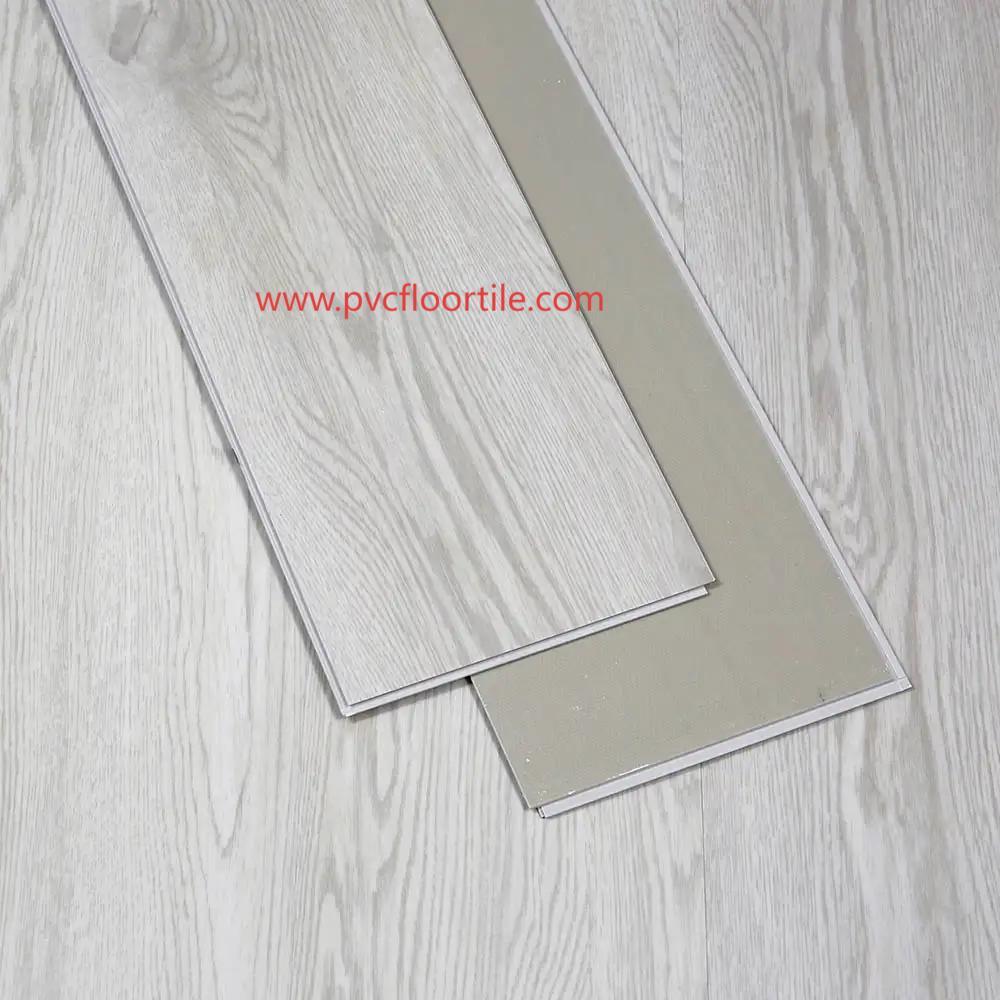
SPC Flooring Factory evaluation should begin with a clear understanding of product requirements and supplier capabilities. Importers, wholesalers, distributors, and project contractors need to examine material selection, production management, inspection procedures, customization services, and delivery arrangements. Comparing these factors helps buyers make informed decisions instead of relying only on quotations or product photographs.
Understand the Raw Material Requirements
Material selection is an important consideration when evaluating a potential supplier. Buyers should ask about the composition of the core, decorative layer, protective surface, and backing. They should also confirm whether the materials meet the technical requirements of their intended applications.
A well-organized production process begins with incoming material checks. Suppliers should have procedures for identifying, storing, and preparing materials before manufacturing. Buyers can request relevant specifications and ask how material batches are recorded.
For repeat orders, consistent material management helps reduce differences between production runs. It also gives both parties a reference when investigating unexpected variations in finished products.
Examine Production Equipment and Procedures
Production capabilities should be assessed through actual processes rather than general descriptions. Buyers can ask about material preparation, core formation, lamination, surface treatment, cutting, edge profiling, backing application, and final packaging.
Each stage may influence the finished product. Inaccurate cutting can cause dimensional differences, while insufficient bonding control may affect layer attachment. Buyers should understand how operators monitor important parameters and how production problems are handled.
When an on-site visit is possible, purchasers can observe equipment condition, workshop organization, material storage, and workflow arrangements. For remote evaluations, recent production photographs, videos, and process descriptions can provide additional information.
Confirm Technical Specifications Before Ordering
A detailed specification sheet helps prevent misunderstandings between buyers and suppliers. Before requesting a quotation, purchasers should define the required dimensions, construction, appearance, and functional characteristics.
The following details deserve attention:
Total thickness and core thickness
Wear layer thickness
Product length, width, and dimensional tolerance
Color, decorative pattern, and surface texture
Gloss level and edge treatment
Click-lock profile and connection requirements
Backing material and thickness, where applicable
Buyers should also clarify how measurements are taken. For example, they should confirm whether the stated total thickness includes an attached underlayment. This makes quotations easier to compare and helps ensure that the approved sample matches the purchase order.
Review Sample Approval and Inspection Standards
A physical sample provides a practical reference before mass production. Buyers should examine its color, texture, dimensions, surface condition, construction, and connection profile. Any required changes should be confirmed before the sample receives final approval.
Inspection procedures should cover more than appearance. A purchasing agreement can identify the inspection stages, sampling quantity, measurement methods, and acceptance criteria.
Useful inspection points include:
Surface marks, scratches, and color differences
Dimensional accuracy and thickness consistency
Edge condition and locking performance
Layer attachment and backing condition
Carton labels, quantities, and packaging quality
During production, selected pieces can be checked to identify possible deviations. Before shipment, buyers may arrange a final inspection based on the approved sample and written specifications.
Inspection photographs and reports also provide useful records. If a quality concern occurs, both parties can refer to the same requirements when discussing corrective measures.
Discuss Customization and Packaging
Different markets may require different colors, patterns, dimensions, backing materials, and carton designs. Buyers should discuss available customization options and clarify whether special requirements affect minimum order quantities, production schedules, or additional costs.
Packaging should be included in the purchasing discussion. Carton strength, protective materials, product labels, barcodes, pallet arrangements, and loading methods can influence storage and transportation.
For private-label orders, buyers should provide artwork and labeling requirements early. The supplier should confirm the final design before printing or packing begins. Written approval can reduce errors involving product information, branding, and carton quantities.
Evaluate Production Capacity and Delivery Planning
A supplier's production capacity should match the buyer's expected order volume and delivery schedule. Importers should ask about estimated lead times, available production resources, order scheduling, and arrangements for repeat purchases.
It is also important to understand how schedule changes are communicated. Buyers should know who handles order updates, technical questions, and unexpected production issues. Regular communication helps both parties respond to problems before they affect shipment arrangements.
Before confirming an order, review the quotation, payment terms, delivery conditions, packaging requirements, and shipping documents. Important agreements should be recorded in writing so that each party has a clear reference.
Establish a Consistent Supplier Evaluation Method
A practical evaluation method allows buyers to compare potential partners using the same criteria. Product specifications, material management, production procedures, inspection records, customization support, and delivery performance should all be considered.For future orders, purchasers can retain approved samples, technical sheets, inspection reports, and purchase records. These documents make it easier to review product consistency and communicate changes when requirements are updated.At pvcfloortile, buyers can review product information and discuss technical requirements before making purchasing decisions. Visit https://www.pvcfloortile.com/product/ to view available product options and learn more about potential cooperation.

 English
 Arabic
 French
 Spanish
 Portuguese
 Deutsch
 Dutch
 Italiano
 Russian
 Romaian
 Portuguese (Brazil)
 Greek