


How Non-Alcoholic Kava Drink Combines Kava and Ashwagandha
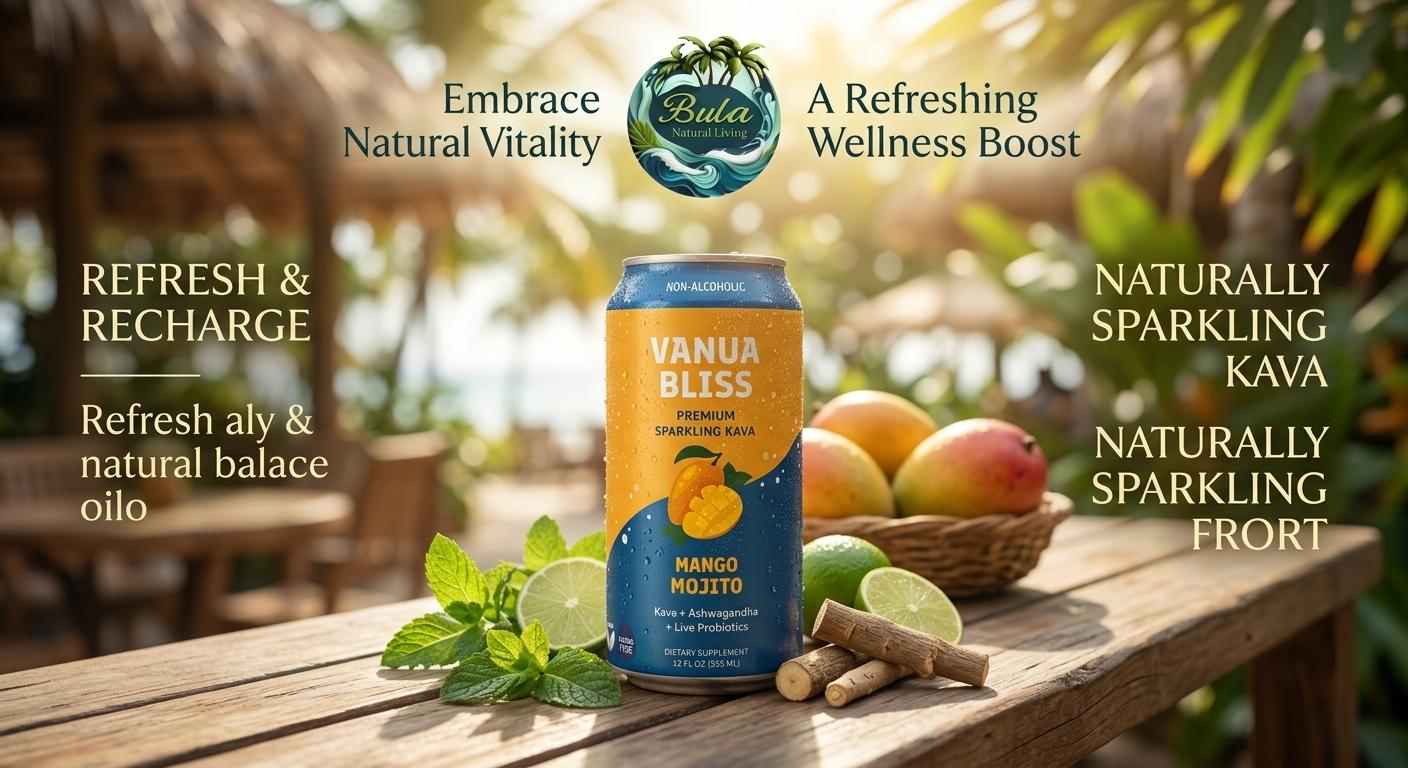
Modern beverage choices are increasingly influenced by people looking for interesting botanical ingredients and refreshing alternatives to traditional soft drinks. Many consumers are exploring plant-based drinks that bring together traditional ingredients with contemporary flavors and convenient packaging.
A non-alcoholic kava drink combines the distinctive character of kava with other botanical ingredients, creating an interesting option within the growing functional beverage category. When paired with ashwagandha and probiotics, this type of beverage introduces several ingredients with different histories, uses, and characteristics.
Understanding how these ingredients work together can help consumers make informed choices about botanical beverages. Exploring their origins, preparation, flavor profiles, and product formulations also provides a clearer picture of what makes these drinks different from conventional sodas.
Understanding the Traditional Background of Kava
Kava is a botanical ingredient obtained from the roots of the kava plant, scientifically known as Piper methysticum. It has a long cultural history throughout several South Pacific island communities, where it has traditionally been prepared as a beverage for social gatherings and ceremonies.
The root contains naturally occurring compounds called kavalactones. These compounds are responsible for many of the properties associated with traditional kava preparations.
A modern kava beverage takes inspiration from this traditional ingredient while presenting it in a format designed for contemporary consumers. Unlike traditional preparations, ready-to-drink versions may combine kava with sparkling water, natural flavors, and additional botanical ingredients.
The quantity and type of kava extract can vary between products, making ingredient transparency important when evaluating different options.
What Makes Ashwagandha an Interesting Botanical Ingredient?
Ashwagandha is another botanical ingredient with a long history of use in traditional Ayurvedic practices. It comes from the root of the Withania somnifera plant and is commonly included in herbal formulations.
Its roots contain naturally occurring compounds called withanolides. These plant compounds are frequently discussed in botanical research because of their chemical characteristics and potential biological activity.
In modern beverages, ashwagandha is sometimes combined with other botanical ingredients to create more complex formulations. Its earthy and slightly bitter taste can also influence the overall flavor profile, depending on the amount used and the other ingredients included.
When evaluating a product containing ashwagandha, consumers should review whether the formulation uses root powder, root extract, or another preparation. These forms are not necessarily equivalent, and their concentrations may differ.
How Kava and Ashwagandha Come Together
Kava and ashwagandha have different botanical origins and traditional backgrounds. Kava comes from a South Pacific plant, while ashwagandha has a history connected with traditional Indian herbal practices.
Their combination reflects a broader interest in bringing different botanical ingredients into contemporary beverage formulations.
Kava contributes its distinctive plant compounds and traditional identity, while ashwagandha introduces another botanical component with its own composition. Manufacturers may combine these ingredients to develop beverages that offer something different from conventional flavored soft drinks.
However, combining two botanicals does not automatically mean that their effects become stronger or that they provide proven health benefits together. The overall formulation, ingredient quantities, preparation methods, and individual differences all matter.
Consumers should approach product descriptions carefully and distinguish traditional uses from benefits established through clinical research.
The Growing Interest in Plant-Based Kava Drinks
Plant-based beverages have become an interesting category for consumers exploring alternatives to conventional drinks. These products often feature ingredients obtained from roots, leaves, fruits, herbs, and other botanical sources.
A plant-based kava drink can appeal to people interested in traditional ingredients presented in a convenient modern format. Depending on the formulation, it may include sparkling water, fruit flavors, botanical extracts, and other complementary ingredients.
The appeal is not limited to the ingredients themselves. Flavor, carbonation, packaging, and serving convenience also influence how consumers choose a beverage.
People who enjoy exploring botanical products may appreciate the combination of familiar sparkling drink characteristics with less common plant ingredients.
Understanding Probiotics in Kava Beverages
Some modern botanical beverages include probiotics as part of their formulation. Probiotics are live microorganisms that may provide health benefits when consumed in adequate amounts and appropriate strains.
Their presence in a kava probiotics drink can introduce another dimension to the ingredient profile. However, probiotic products are not all identical. Different strains have different characteristics, and their potential benefits depend on the specific microorganisms, quantity, and product formulation.
Storage conditions also matter because temperature and processing can influence the survival of live microorganisms.
Consumers interested in probiotics should check the product label for strain information, quantities, and storage recommendations. It is also important to avoid assuming that every beverage containing probiotics provides the same digestive benefits.
Exploring the Flavor Profile of Modern Kava Soda
Flavor is an important part of any ready-to-drink beverage. Traditional kava preparations are often described as earthy, herbal, and slightly bitter. These characteristics can be quite different from the sweet and fruity flavors found in conventional soft drinks.
Modern manufacturers may use fruit extracts and natural flavoring ingredients to create a more approachable taste. Mango, strawberry, citrus, and other fruit-inspired flavors can complement the distinctive character of kava.
A premium kava soda may also use carbonation to create a refreshing drinking experience. The sparkling texture adds another element to the beverage, making it different from traditional non-carbonated herbal preparations.
Bula Natural explores this modern beverage approach through its Vanua Bliss Kava Soda. Its flavor options bring together sparkling beverage characteristics and botanical ingredients for consumers interested in something different.
What Consumers Should Know About Botanical Formulations
Understanding the ingredient list is an important part of choosing any botanical beverage. Products may differ in their extract concentrations, sweeteners, flavoring ingredients, and additional plant-based components.
For example, kava with ashwagandha may sound similar across different products, but the actual formulations can vary considerably. One beverage may use a concentrated botanical extract, while another may contain a different preparation.
Consumers should consider the following factors:
-
Ingredient transparency: Check whether the product clearly identifies its botanical ingredients.
-
Extract information: Look for details about the type and quantity of each extract.
-
Sweeteners: Review the sugar content and other sweetening ingredients.
-
Probiotic information: Check whether specific strains and quantities are disclosed.
-
Serving instructions: Follow the manufacturer's recommended serving information.
These details make it easier to understand the product instead of relying only on its marketing description.
Safety Considerations When Choosing Kava Beverages
Although botanical ingredients have traditional histories, natural does not automatically mean risk-free. Kava has been associated with rare but serious liver injury, and it may interact with medications or substances that affect the central nervous system.
People should avoid combining kava with alcohol or sedative medications unless specifically advised by a qualified healthcare professional. Individuals with liver conditions should avoid kava, and anyone taking regular medication should consult a healthcare professional before consuming it.
Ashwagandha also requires consideration. It may interact with certain medications and is generally not recommended during pregnancy. People with thyroid or autoimmune conditions should seek medical advice before using products containing it.
A kava beverage should therefore be evaluated according to its complete ingredient list, not simply its non-alcoholic label.
How Modern Botanical Drinks Fit Beverage Choices
Consumers have different preferences when selecting everyday beverages. Some prioritize fruit flavors, while others look for sparkling textures, herbal ingredients, or alternatives to traditional soft drinks.
A plant-based formulation can provide an interesting option for people who enjoy exploring botanical ingredients. However, it is important to remember that botanical beverages are not necessarily suitable for everyone.
Bula Natural presents Vanua Bliss as a modern take on the traditional kava beverage concept. Its combination of kava, ashwagandha, and probiotics gives consumers several ingredients to explore when reviewing the product.
Reading the nutritional information, checking serving recommendations, and understanding personal dietary needs are sensible steps before trying a new beverage.
Final Thoughts
The combination of kava and ashwagandha represents an interesting approach to modern botanical beverages. Both ingredients have distinct traditional backgrounds and naturally occurring plant compounds, while probiotics introduce another component to certain drink formulations. Understanding their differences helps consumers make more informed decisions when exploring new beverage options. Bula Natural brings these botanical elements together through its Vanua Bliss Kava Soda, offering a contemporary take on traditional plant ingredients. For those exploring a kava beverage, Bula Natural provides an opportunity to discover a sparkling option featuring botanical ingredients and fruity flavors. Consumers should always review the formulation, serving information, and relevant safety considerations before choosing a product. Bula Natural makes this botanical beverage concept accessible in a convenient ready-to-drink format.
Frequently Asked Questions
1. What is a non-alcoholic kava drink?
It is a beverage made with kava as an ingredient and formulated without alcoholic beverages. Some versions also contain sparkling water, fruit flavors, and additional botanical ingredients.
2. Why are kava and ashwagandha combined in beverages?
They have different botanical origins and traditional uses. Manufacturers combine them to create distinctive botanical formulations, although their combination does not establish additional health benefits.
3. What is the role of probiotics in kava beverages?
Probiotics are live microorganisms that may provide health benefits when consumed in adequate amounts and appropriate strains. Their presence depends on the beverage's formulation.
4. What makes premium kava soda different from regular soda?
Premium kava soda may contain botanical ingredients such as kava and ashwagandha alongside sparkling water and fruit flavors, whereas conventional soda generally focuses on carbonation and flavor.
5. Is a plant-based kava drink suitable for everyone?
No. Kava and ashwagandha can have safety concerns and medication interactions. People with medical conditions, those taking medications, and pregnant individuals should seek professional medical advice before consuming these ingredients.

 Arabic
 French
 Spanish
 Portuguese
 Deutsch
 Turkish
 Dutch
 Italiano
 Russian
 Romaian
 Portuguese (Brazil)
 Greek