


Does Hair Mesotherapy Treatment Support New Hair Growth?
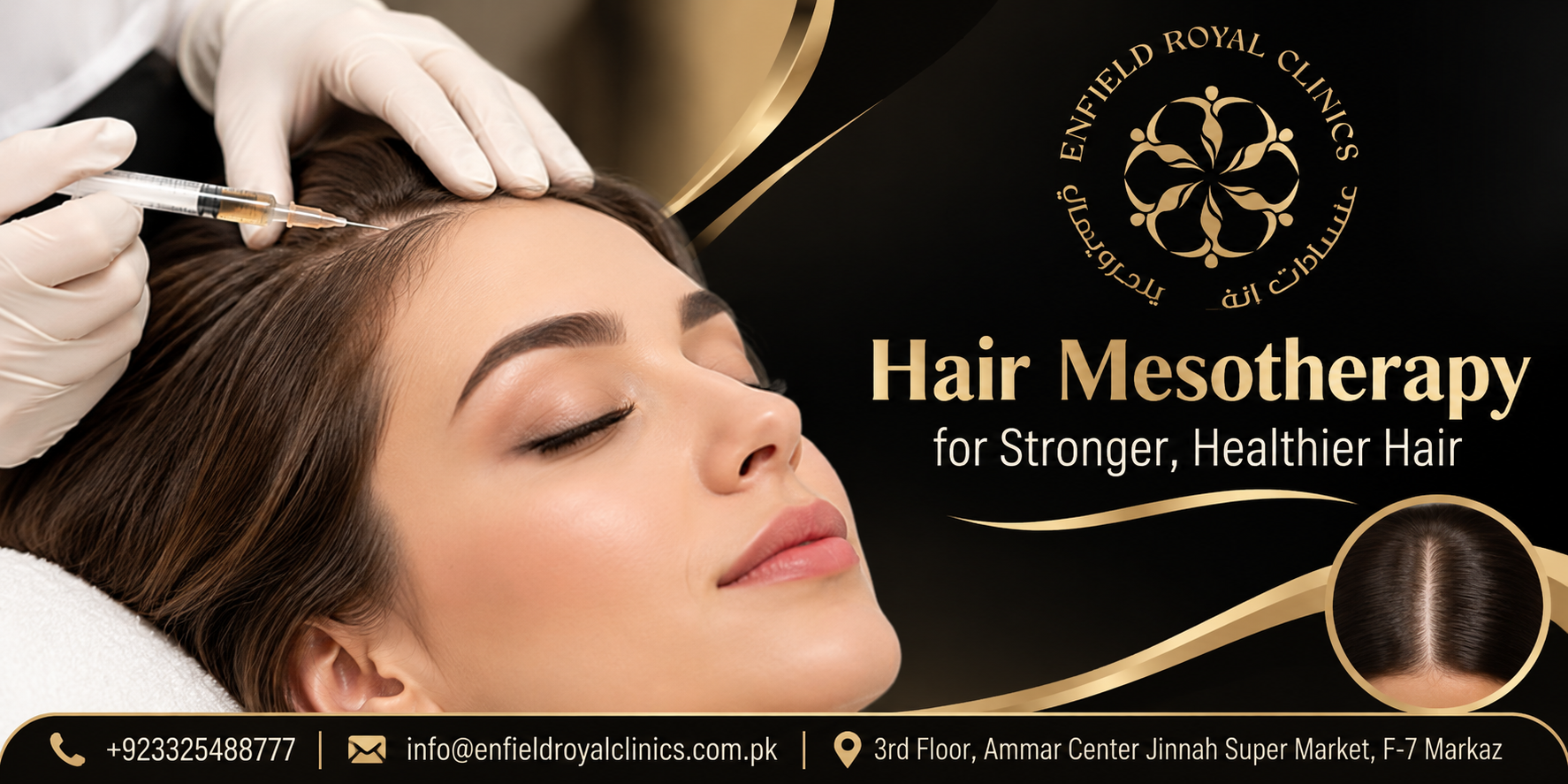
Hair thinning and excessive hair fall can affect a person's appearance, confidence, and overall sense of well-being. Many people explore different treatments to improve scalp health and encourage healthier-looking hair. One option that has gained attention is hair mesotherapy, a minimally invasive procedure designed to deliver selected ingredients directly into the scalp. However, an important question remains: does it actually support new hair growth?
Hair Mesotherapy Treatment in Islamabad is an option that some individuals consider when experiencing thinning hair, reduced density, or ongoing shedding. The treatment is intended to provide nutrients and other ingredients to the scalp, but its effectiveness depends on several factors, including the underlying cause of hair loss and the individual's response. Understanding its process, potential benefits, and limitations can help people make informed decisions.
What Is Hair Mesotherapy Treatment?
Hair mesotherapy is a minimally invasive procedure that involves injecting small amounts of a specially prepared solution into the scalp. Depending on the formulation, the solution may contain vitamins, minerals, amino acids, peptides, and other ingredients intended to support scalp health.
Unlike oral supplements, which enter the bloodstream through the digestive system, mesotherapy delivers ingredients directly into selected areas of the scalp. The treatment is generally performed using fine needles, with the goal of targeting areas affected by thinning hair.
The exact ingredients and techniques can vary between providers. There is no single standardized formula or universally accepted treatment schedule for hair mesotherapy. Therefore, the contents of the solution and the individual's suitability should be discussed before the procedure.
Can Hair Mesotherapy Support New Hair Growth?
Hair mesotherapy is promoted as a treatment that may help create a healthier scalp environment and support hair growth. Some individuals report improvements in hair appearance or reduced shedding after treatment. However, scientific evidence supporting consistent new hair growth remains limited.
Hair growth depends on several biological factors, including the condition of hair follicles, genetics, hormones, nutrition, and overall health. Mesotherapy cannot guarantee that inactive or permanently damaged follicles will start producing new hair.
Its potential results may also differ depending on the reason behind hair thinning. For example, someone experiencing temporary shedding after illness or stress may have a different recovery pattern from someone with hereditary hair loss.
For this reason, Hair Mesotherapy Treatment in Islamabad should be considered only after an appropriate assessment. A treatment plan based on the actual cause of hair loss is generally more useful than choosing a procedure based on marketing claims alone.
How Does the Treatment Work?
The procedure usually begins with an assessment of the scalp and hair-loss pattern. The treatment provider may ask about medical history, current medications, family history of hair loss, and previous hair treatments.
If mesotherapy is considered appropriate, the scalp is cleaned before small injections are administered across selected areas. The procedure may cause mild discomfort, depending on individual sensitivity and the technique used.
The ingredients are intended to support the scalp, although the exact biological effects and clinical benefits of different formulations are not fully established. It is also important to understand that injecting nutrients into the scalp does not automatically correct nutritional deficiencies or hormonal conditions elsewhere in the body.
Following treatment, individuals may be advised to avoid irritating the scalp for a short period and follow specific aftercare instructions. The recommended approach can vary according to the ingredients and technique used.
Who May Consider Hair Mesotherapy?
Hair mesotherapy may be discussed by people experiencing certain types of hair thinning or shedding who want to explore additional treatment options. However, it is not suitable for every person or every cause of hair loss.
A professional assessment can help identify whether the problem is related to:
-
Genetic hair loss: Hereditary conditions can gradually reduce hair density and affect follicle activity.
-
Stress-related shedding: Physical or emotional stress may trigger temporary increased hair shedding.
-
Nutritional deficiencies: Low levels of certain nutrients, including iron, can contribute to hair problems.
-
Hormonal changes: Thyroid disorders and other hormonal conditions may affect normal hair growth.
-
Scalp conditions: Inflammation, infections, and certain skin disorders can interfere with scalp health.
-
Hair damage: Excessive heat, chemical treatments, and tight hairstyles may cause breakage that can resemble hair loss.
Identifying the underlying cause is essential because mesotherapy may not address the actual problem. For example, a person with an iron deficiency may need appropriate testing and treatment rather than relying on scalp injections.
What Results Can Patients Realistically Expect?
Expectations should remain realistic when considering hair mesotherapy. Some individuals may notice changes in hair appearance or shedding, while others may experience little or no improvement. At present, there is insufficient high-quality evidence to establish how reliably the procedure produces new hair growth.
Results can depend on the person's hair-loss condition, follicle health, treatment formulation, and other individual factors. There is no guaranteed timeline or fixed number of sessions that works for everyone.
It is also important to distinguish between reduced hair shedding and genuine new growth. Less shedding does not necessarily mean that new follicles are developing or that previously lost density will return.
For people with hereditary hair loss, treatments with stronger clinical evidence, such as topical minoxidil and certain prescription medicines, may be more appropriate depending on individual circumstances. These options should be discussed with a qualified healthcare professional.
Is Hair Mesotherapy Safe?
Hair mesotherapy involves injections, so it carries some risks. Common temporary effects may include redness, tenderness, mild swelling, bruising, and irritation around the treated areas.
Less common complications can include infection, allergic reactions, or more significant inflammation. The risk may depend on the injected ingredients, hygiene practices, injection technique, and the individual's health.
People with active scalp infections, known allergies to treatment ingredients, bleeding disorders, or those taking blood-thinning medication should seek medical advice before considering the procedure. A full medical history and discussion of possible side effects are important parts of preparation.
After treatment, increasing pain, spreading redness, fever, discharge, or unusual swelling should be assessed promptly. Severe allergic symptoms, such as difficulty breathing or swelling of the throat, require emergency medical attention.
Choosing a properly qualified professional and ensuring that sterile equipment and appropriate products are used can help reduce avoidable risks.
How to Choose the Right Hair-Loss Treatment?
The most suitable treatment depends on why the hair is thinning. A proper evaluation may involve examining the scalp, reviewing medical history, and arranging blood tests when nutritional or hormonal problems are suspected.
Hair Mesotherapy Treatment in Islamabad may be discussed as an additional option, but it should not replace treatments with stronger evidence when those treatments are appropriate. A personalized approach may include medical treatment, correction of nutritional deficiencies, improved hair-care habits, or management of an underlying scalp condition.
Patients should also ask about the exact ingredients used in mesotherapy, the expected benefits, possible complications, and the evidence supporting the proposed treatment. Clear answers can help prevent unrealistic expectations and unnecessary procedures.
Frequently Asked Questions
1. Does hair mesotherapy guarantee new hair growth?
No. Hair mesotherapy does not guarantee new hair growth. Some individuals may report improvements, but scientific evidence remains limited, and results vary according to the cause of hair loss and individual response.
2. How many hair mesotherapy sessions are required?
There is no universally accepted number of sessions. The schedule may vary according to the treatment formulation, scalp condition, and professional assessment.
3. Can hair mesotherapy treat hereditary hair loss?
It may be discussed as an additional option, but it is not an established treatment for hereditary hair loss. Evidence-supported treatments may be more appropriate depending on the individual's condition.
4. Is hair mesotherapy painful?
The procedure involves small injections, so some discomfort, stinging, or tenderness may occur. The level of discomfort varies from person to person.
5. Are there side effects of hair mesotherapy?
Possible side effects include redness, swelling, bruising, tenderness, and irritation. Infection and allergic reactions are less common but important risks to discuss before treatment.
6. Is hair mesotherapy suitable for everyone?
No. People with certain scalp conditions, allergies, bleeding problems, or other medical concerns may not be suitable candidates. An individual assessment is necessary before proceeding.
Conclusion
Hair mesotherapy is a minimally invasive procedure that aims to support scalp health and may be considered by people experiencing hair thinning. However, its ability to produce consistent new hair growth has not been firmly established. Understanding the cause of hair loss, reviewing available treatment options, and discussing potential risks are essential steps before making a decision. A personalized approach can help individuals choose a treatment that better matches their hair and scalp needs.

 English
 Arabic
 French
 Spanish
 Portuguese
 Deutsch
 Turkish
 Dutch
 Russian
 Romaian
 Portuguese (Brazil)
 Greek