


Become a Skilled Driver with the Right Training and Practice
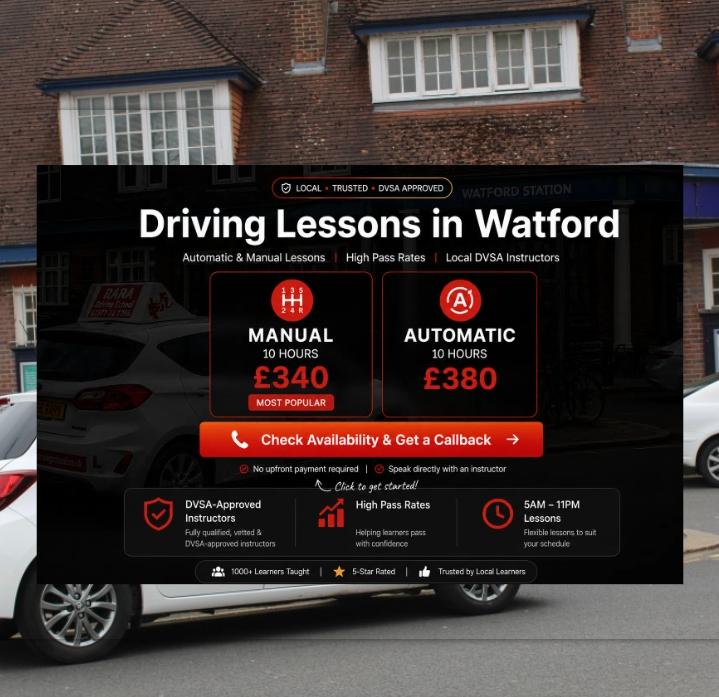
Driving Skills That Make Everyday Life Easier
Driving is more than a convenient way to travel; it is a valuable skill that creates independence and opens up new opportunities. Whether commuting to work, taking children to school, or travelling for personal reasons, having a driving licence makes everyday responsibilities easier to manage. However, becoming a confident motorist requires proper preparation and practical experience. Beginners must learn how to control a vehicle, understand road regulations, and respond appropriately to changing traffic conditions. Developing these abilities through professional training creates a strong foundation for safe driving.
The Benefits of Learning from Professionals
Professional driving instruction provides a structured learning experience for people with different levels of experience. Qualified instructors understand the difficulties beginners commonly face and introduce essential techniques in manageable stages. This allows students to develop their abilities without feeling overwhelmed.
An experienced instructor also provides valuable feedback after every lesson. Learners can understand where they are making mistakes and how to correct them. Whether someone struggles with steering, braking, parking, or changing gears, individual guidance makes improvement easier. A supportive teaching environment also encourages students to ask questions and become more comfortable behind the wheel.
Finding the Right Driving Instructor in Watford
Choosing suitable driving tuition is an important decision that can influence the entire learning experience. Anyone considering driving lessons watford should look for instructors who offer professional guidance, flexible scheduling, and a clear understanding of local roads. These qualities help learners receive practical experience in familiar traffic environments.
It is also worth checking instructor qualifications, student feedback, and available vehicle options before making a decision. Some beginners prefer manual vehicles because they want greater flexibility when choosing a car later, while others find automatic vehicles easier to learn. Selecting an appropriate learning option can make lessons more enjoyable and productive.
Understanding Vehicle Controls and Basic Techniques
Before driving through busy areas, beginners need to understand how their vehicles operate. Early lessons usually cover the accelerator, brake, clutch, steering wheel, gears, mirrors, and dashboard controls. Students also learn how to adjust their seats and mirrors to maintain a comfortable position and clear visibility.
Once these basics become familiar, learners start practising vehicle movement. They develop the ability to move away smoothly, stop safely, maintain appropriate speed, and steer accurately. Manual learners also practise coordinating the clutch and gears. Repeated practice helps improve coordination and makes vehicle control increasingly natural.
Developing Awareness of Surrounding Traffic
Good drivers constantly observe what is happening around them. They pay attention to pedestrians, cyclists, road signs, traffic signals, and the movements of nearby vehicles. This awareness helps them recognise potential hazards and respond before situations become dangerous.
Learners should develop effective mirror-checking habits and understand the importance of blind spots. Looking further ahead also provides more time to identify changes in traffic conditions. These observation techniques are essential when approaching junctions, changing lanes, or navigating busy roads.
Gaining Experience on Different Types of Roads
Driving environments can vary considerably, and learners need experience handling different situations. Quiet residential streets provide an opportunity to practise basic control, while busy town centres require stronger observation and decision-making skills.
Roundabouts, pedestrian crossings, narrow roads, and dual carriageways introduce additional challenges. Professional instructors gradually expose students to these environments as their confidence improves. This structured experience helps learners understand how to adjust their driving according to road conditions and traffic movements.
Preparing for the UK Practical Driving Test
Passing the practical driving test requires more than remembering instructions. Candidates must demonstrate safe vehicle control, good observation, appropriate road positioning, and independent decision-making. They should also understand how to perform required manoeuvres and respond to different traffic situations.
Regular practice is essential for developing these abilities. Mock tests can help learners understand the examination format and identify weaknesses before the actual assessment. Studying the Highway Code and practising hazard perception can further improve theoretical knowledge and overall preparation.
Managing Driving Anxiety and Building Confidence
Many people feel nervous when they begin learning to drive. Busy junctions, unfamiliar roads, and the possibility of making mistakes can create uncertainty. However, these feelings are a normal part of the learning process.
Building confidence requires patience and realistic expectations. Learners should focus on improving individual skills rather than trying to master everything immediately. Discussing difficulties with an instructor and repeating challenging manoeuvres can gradually reduce anxiety. Every successful lesson provides an opportunity to become more comfortable and independent.
Creating Safe Habits for Long-Term Driving
Responsible driving should remain a priority even after obtaining a licence. Motorists need to follow speed limits, respect traffic signals, maintain safe distances, and avoid distractions. They should also remain considerate towards pedestrians, cyclists, and other road users.
Regular vehicle maintenance is equally important. Checking tyre pressure, brakes, lights, and fluid levels helps keep a vehicle in suitable condition. Drivers should never ignore warning signs that may indicate mechanical problems. Developing these habits contributes to safer journeys and encourages responsible vehicle ownership.
Why Continuous Improvement Matters
Driving experience develops gradually, even after someone passes their test. Newly qualified motorists may encounter situations that were less common during their training, including heavy rain, night driving, unfamiliar routes, and challenging traffic conditions.
Remaining alert and applying previously learned techniques can make these experiences easier to manage. Drivers should continue improving their observation, judgement, and vehicle control while avoiding unnecessary risks. A willingness to learn is one of the most valuable qualities of a responsible motorist.
Conclusion
Becoming a skilled driver requires proper instruction, regular practice, and a commitment to road safety. Understanding vehicle controls, developing hazard awareness, and gaining experience in different traffic conditions all contribute to driving confidence. With the right guidance, beginners can gradually develop the abilities needed to travel independently and responsibly. Ultimately, the purpose of driving education is not simply to pass a test but to create safe driving habits that last a lifetime. For more information visit here; https://www.raradrivingschool.co.uk/where-to-find-us/watford/

 English
 Arabic
 French
 Spanish
 Portuguese
 Deutsch
 Turkish
 Dutch
 Italiano
 Russian
 Romaian
 Portuguese (Brazil)