


The Complete Guide to Boarding School in Pakistan
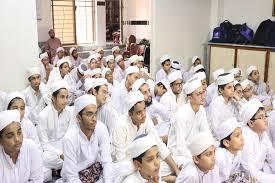
Boarding School in Pakistan
The story of boarding school in Pakistan is one of remarkable evolution and adaptation. From its roots in colonial educational traditions to the diverse landscape of institutions that exist today, residential education has carved out a unique and significant place in Pakistan's educational fabric. These institutions serve multiple purposes: they provide rigorous academic preparation, develop character and leadership, and in many cases, offer pathways to social mobility for talented students from disadvantaged backgrounds. Understanding the boarding school ecosystem in Pakistan requires examining its historical foundations, the various institutional models that have emerged, the educational philosophies that guide them, and the challenges and opportunities that lie ahead.
Historical Foundations and the Colonial Legacy
The concept of boarding school in Pakistan cannot be properly understood without acknowledging its colonial origins. The British established residential educational institutions throughout the subcontinent to educate the children of the colonial administration and the local elite in the traditions of British public schools. These institutions were designed to create a class of Western-educated administrators who would serve as intermediaries between the colonial rulers and the broader population. When Pakistan gained independence in 1947, this educational infrastructure became part of the new nation's inheritance, and the boarding school model was quickly adapted to serve national purposes rather than colonial ones.
The early years of Pakistan saw the establishment of institutions that would become iconic in the country's educational landscape. These early boarding schools combined British educational traditions with a new emphasis on national identity, Islamic values, and service to the new nation. The military tradition that would come to characterize many Pakistani boarding institutions emerged during this period, as the country's leadership recognized the value of disciplined, residential education in developing future officers and leaders. This fusion of colonial educational forms with new national objectives created a uniquely Pakistani boarding school tradition that continues to influence educational thinking today.
Military-Inspired Residential Institutions and Their Unique Character
Among the most prominent types of boarding school in Pakistan are the military-inspired cadet colleges that have become synonymous with disciplined, character-focused education. These institutions are distinguished by their structured environment, emphasis on physical fitness, military-style training, and comprehensive character development programs. The cadet college model represents a particularly Pakistani interpretation of residential education, one that explicitly connects educational achievement with national service and leadership development.
The educational approach at these institutions emphasizes the development of what might be called the complete person. Academic excellence is pursued alongside physical development, moral education, and leadership training. Students at cadet colleges participate in organized sports, military drills, and a range of extracurricular activities designed to build confidence, teamwork, and resilience. The boarding environment facilitates this holistic approach by providing a structured daily routine that balances academic study, physical activity, and character development programs. This integration of different developmental dimensions is often cited as a key advantage of the boarding school model, allowing for educational experiences that extend far beyond what is possible in traditional day schools.
The selection process for these institutions is typically competitive, with students required to demonstrate academic aptitude, physical fitness, and personal qualities suitable for the demanding residential environment. Once admitted, students enter a tightly structured community where they live, study, and socialize within the institutional framework. This immersive experience can be transformative, shaping students' identities, values, and aspirations in profound ways. Graduates of these institutions often maintain strong alumni networks that provide professional and social connections throughout their lives.
Elite Private Boarding Institutions and International Affiliations
Alongside the military-inspired institutions, Pakistan is home to a number of elite private boarding schools that maintain the traditional British public school ethos while adapting to contemporary educational needs. These institutions typically offer international curricula alongside national ones, preparing students for higher education both within Pakistan and abroad. The boarding facilities at these schools are often extensive, with well-appointed dormitories, comprehensive sports facilities, and a range of extracurricular programs designed to develop students' talents and interests.
The philosophy at these institutions emphasizes the development of well-rounded individuals who are prepared for leadership in various fields. Academic standards are typically high, with students encouraged to pursue excellence across a broad range of subjects. The boarding environment allows for extended engagement in academic support programs, with teachers providing evening tutorials and additional instruction. This continuous academic support is often cited as a significant advantage of boarding education, allowing students to receive assistance with difficult subjects and to engage in deeper learning than might be possible in a day school setting.
International linkages are increasingly characteristic of this sector of Pakistani boarding education. Some institutions have established partnerships with schools in other countries, offering students the opportunity for international exchanges or study abroad experiences. Others have adopted international curricula such as Cambridge or International Baccalaureate programs, preparing students for admission to universities around the world. These international connections reflect the globalization of Pakistani education and the desire of many families to provide their children with globally portable qualifications and cross-cultural experiences.
Progressive and Philanthropic Boarding Models
Perhaps the most significant development in boarding school in Pakistan in recent decades has been the emergence of institutions designed to serve populations beyond the traditional elite. These progressive and philanthropic boarding schools aim to provide quality residential education to students from disadvantaged backgrounds, using the boarding model as a tool for social mobility and national development. This represents a fundamental reimagining of the purpose of boarding education, from an instrument of privilege to a mechanism for equity and opportunity.
The operational model for these institutions typically involves the provision of comprehensive services including tuition, boarding, meals, uniforms, and educational materials at little or no cost to students. The selection process is merit-based, with talented students from low-income families identified through competitive examinations. Once enrolled, students receive the same high-quality education and comprehensive support that has traditionally been available only to the privileged few. The impact of such institutions can be transformative not only for individual students but also for their families and communities.
These philanthropic boarding schools face significant operational challenges, including the need to maintain high educational standards while serving students who may come from inadequate educational backgrounds. The comprehensive support services required to address the various needs of students from disadvantaged backgrounds can be resource-intensive, requiring careful management and sustainable funding models. Despite these challenges, the successes achieved by such institutions demonstrate the potential of the boarding school model to contribute to educational equity and social development in Pakistan.
Educational Philosophy and the Boarding Experience
The educational philosophy underlying boarding school in Pakistan is multifaceted, combining academic rigor with character development, discipline, and leadership training. Proponents of these institutions argue that residential education offers advantages that day schools cannot replicate, particularly in terms of holistic personality development. The immersive environment of a boarding school allows for extended engagement in extracurricular activities, sports, and character-building programs that extend well beyond the traditional classroom hours.
The daily experience of boarding students is typically structured to balance various developmental activities. Mornings may begin with physical exercise or meditation, followed by a full academic schedule. Afternoons often include sports, cultural activities, or community service, while evenings are dedicated to study, tutorials, and structured preparation for the next day. This comprehensive schedule is designed to develop discipline, time management skills, and a balanced approach to life that encompasses intellectual, physical, and moral development.
The social environment of boarding schools is another significant aspect of the educational experience. Students live in close proximity with peers from diverse backgrounds, learning to navigate interpersonal relationships, resolve conflicts, and develop the social skills necessary for success in professional and personal life. The friendships and networks formed in boarding schools often persist for decades, providing students with lasting personal and professional connections. At the same time, the structured environment of boarding schools can provide a supportive framework for adolescents navigating the challenges of this developmental stage.
Challenges and Critiques of Residential Education
Despite the significant advantages associated with boarding school in Pakistan, these institutions also face challenges and critiques that merit serious consideration. One significant concern relates to the psychological impact of early separation from family. International research has documented potential negative effects of boarding education, particularly for younger children or those who may not be emotionally prepared for residential life. Critics have argued that the structured environment of boarding schools can sometimes be overly restrictive, limiting students' autonomy and creativity.
The equity implications of boarding education are also a subject of ongoing debate. Historically, boarding schools have been associated with privilege and elite status, potentially reinforcing social hierarchies rather than challenging them. While the emergence of philanthropic boarding schools addresses this concern to some degree, the majority of boarding institutions in Pakistan continue to serve students from relatively privileged backgrounds. Questions about the appropriate allocation of educational resources arise, with some arguing that the per-student expenditure at boarding schools could potentially benefit more students if directed toward improving the broader public education system.
The cultural dimensions of boarding education also warrant consideration. Some critics have argued that boarding schools, particularly those modeled on Western educational traditions, may not adequately reflect or transmit Pakistani cultural values. Others have expressed concern about the potential for boarding schools to create cultural distance between students and their families and communities. The challenge for boarding schools is to provide excellent education while remaining culturally relevant and connected to the broader society.
The Future of Boarding Education in Pakistan
Looking ahead, the future of boarding school in Pakistan is likely to be shaped by several significant trends and developments. The increasing focus on educational quality and outcomes is pushing boarding schools to demonstrate their effectiveness through measurable student achievements. This accountability pressure is driving innovation in teaching methods, curriculum design, and student support services. Boarding schools are increasingly adopting data-driven approaches to track student progress and identify areas for improvement.
The integration of technology is another significant trend shaping the future of boarding education. Digital learning resources, online collaboration tools, and virtual international exchanges are expanding the educational possibilities available to boarding students. Technology is also enabling more personalized learning approaches, allowing students to progress at their own pace and pursue individual interests. At the same time, boarding schools are grappling with how to appropriately integrate technology while maintaining the personal connections and community spirit that are central to the boarding experience.

 English
 Arabic
 French
 Spanish
 Portuguese
 Deutsch
 Turkish
 Dutch
Dutch
 Italiano
 Russian
 Romaian
 Greek
Greek