


Currency Exchange Rates in Lahore Pakistan: Understanding the City's Dynamic Money Markets
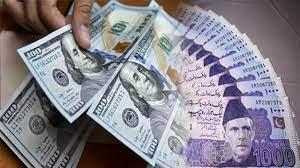
Currency Exchange Rates in Lahore Pakistan
Currency exchange rates in Lahore Pakistan operate within a fascinating dual-tier system that distinguishes between the formal interbank market and the open market rates available through exchange companies. This structure has a significant impact on the actual rates Lahoris encounter when exchanging foreign currency. The interbank market serves as the wholesale backbone of Pakistan's foreign exchange system, with commercial banks trading currencies among themselves based on supply and demand dynamics. This represents the institutional rate at which major financial transactions are processed, setting the foundation for other exchange rates throughout the economy. The interbank market is where large-scale currency transactions occur between financial institutions, establishing baseline rates that influence all other currency exchange activities in the country.
The open market rates in Lahore, however, often tell a slightly different story. Exchange companies, which are regulated by the State Bank of Pakistan, provide currency exchange services directly to the public and operate with rates that include a premium to account for their operational costs and market positioning. This spread between interbank and open market rates reflects the retail nature of exchange company transactions and the additional costs associated with providing convenient currency exchange services across Lahore's various business districts. The difference between these two tiers can vary significantly depending on market conditions, regulatory changes, and the overall demand for foreign currency in the economy.
The Major Currencies Traded in Lahore's Exchange Market
The currency exchange rates in Lahore Pakistan encompass a diverse array of international currencies, reflecting the city's connections to global trade, remittance flows, and the travel needs of its residents. Exchange companies throughout Lahore offer competitive rates for major global currencies including the US dollar, UK pound sterling, euro, Saudi riyal, UAE dirham, Canadian dollar, and Australian dollar among others. Each of these currencies experiences distinct supply and demand dynamics in the Lahore market, influenced by factors such as overseas Pakistani worker remittances, import-export activity, student travel abroad, and seasonal patterns such as the Umrah and Hajj seasons which drive increased demand for Gulf currencies. The Saudi riyal holds particular importance due to the large Pakistani workforce in Saudi Arabia, making it one of the most actively traded currencies in Lahore's exchange market.
The rates for these currencies fluctuate throughout the day based on global market movements, with exchange companies typically updating their rates multiple times to reflect changes in international currency markets. Currency exchange operations in Lahore respond to developments in global financial centers, including movements in the US dollar index, changes in commodity prices, and shifts in investor sentiment toward emerging markets. The interconnected nature of global currency markets means that economic developments in major economies, from the United States Federal Reserve's monetary policy decisions to economic indicators from the European Union, can have immediate effects on the rates available to Lahore residents exchanging foreign currency.
The Unique Phenomenon of Informal Currency Trading
Beyond the regulated exchange companies and banks, currency exchange rates in Lahore Pakistan are also influenced by a vibrant informal currency market that sometimes operates at significant premiums to official rates. This informal sector has historically played a role in facilitating trade and remittance flows that may not easily pass through formal banking channels. The informal market operates based on specific local demand patterns and the constraints of the formal financial system, creating price differentials that can diverge substantially from international benchmarks. This premium reflects the intersection of several factors including cross-border trade activity, limited access to formal banking channels for certain transactions, and speculative interest in various currencies due to geopolitical developments.
The existence of the informal market highlights the complexity of currency exchange in Lahore and the various channels through which foreign currency enters and leaves the economy. While the formal exchange company sector is regulated and monitored by the State Bank of Pakistan, the informal sector operates through networks of dealers and traders who facilitate currency exchange outside the formal financial infrastructure. This parallel system can affect overall currency availability and pricing in the city, particularly for currencies that may not be widely traded through official channels or during periods of limited dollar liquidity in the formal banking system.
The Role of Exchange Companies in Lahore's Currency Market
Licensed exchange companies form the backbone of accessible currency exchange rates in Lahore Pakistan, providing convenient services to residents and businesses throughout the city. Lahore is home to numerous State Bank of Pakistan-licensed forex providers that offer competitive rates across a wide range of currencies, ensuring that Lahoris have access to reliable foreign exchange services for purposes ranging from international travel and education to business transactions and remittance management. These companies operate under strict regulatory oversight, maintaining transparency in their operations and complying with anti-money laundering requirements and other financial regulations.
The exchange company sector has experienced significant regulatory developments, with tighter compliance requirements and enforcement measures impacting how these businesses operate. The State Bank of Pakistan has been encouraging consolidation in the sector, with smaller firms facing pressure to merge with larger entities. This regulatory tightening has affected the availability and pricing of currency exchange rates in Lahore by reducing the number of market participants and strengthening controls against financial irregularities. Banks have also been encouraged to establish their own exchange companies, a move aimed at reducing the number of market players and strengthening controls against money laundering and dollar smuggling, ultimately creating a more structured and regulated environment for currency trading.
The Impact of Remittances and Digital Currency Trends
The dynamics of currency exchange rates in Lahore Pakistan are increasingly influenced by evolving patterns in foreign remittances and the emergence of digital alternatives. Pakistan receives substantial remittances from overseas workers, particularly from Gulf countries, the United Kingdom, and the United States, which represent a vital source of foreign exchange for the economy. These remittances flow through various channels including banks, exchange companies, and informal networks, each affecting currency availability and pricing in different ways. The formal banking channel has been capturing a growing share of remittance inflows, reflecting changing patterns in how foreign currency enters the economy and flows through formal financial channels.
The rise of cryptocurrencies may also be reshaping the currency exchange landscape in Lahore. Industry observers suggest that cryptocurrencies may be diverting foreign currency flows, as alternative digital investment options could appeal to remitters seeking higher returns or different ways to transfer value across borders. This development represents a new dimension in Pakistan's foreign exchange dynamics, creating alternative channels for currency conversion that exist outside the traditional exchange company and banking infrastructure that has historically dominated currency exchange in Lahore. The regulatory response to cryptocurrencies and their integration into the financial system will likely continue to shape the currency exchange landscape in the city.
The Social and Economic Consequences of Exchange Rate Movements
The fluctuations in currency exchange rates in Lahore Pakistan have profound social and economic consequences that extend far beyond the walls of exchange companies and bank branches. When the rupee weakens against major currencies, the cost of importing machinery, fuel, and consumer goods increases significantly, which can lead to inflation and raise the cost of living for ordinary residents. The price of petroleum products and other imported essentials rises as the rupee depreciates, creating a cascading effect that impacts transport costs, electricity bills, and ultimately the price of all goods and services throughout the city. This inflationary pressure disproportionately affects lower-income households that spend a larger portion of their income on basic necessities.
The exchange rate also creates distinct economic classes within Lahore's population. A growing cohort of remote workers and freelancers earning in foreign currencies while living in Lahore has created what analysts describe as an exchange-rate insulated class. This creates a purchasing power asymmetry where dollar earners see their real incomes rise as the rupee weakens, while salaried rupee earners face declining purchasing power. This structural divergence is reshaping Lahore's urban economic life, affecting everything from housing markets and consumption patterns to social stratification. The exchange rate thus becomes not merely an economic indicator but a force that shapes the city's social and economic landscape in tangible ways.
Seasonal and Geopolitical Factors Affecting Currency Availability
The seasonal and geopolitical factors affecting currency availability in Lahore significantly influence currency exchange rates in the city. During periods of high remittance inflow, such as religious seasons when remittances typically rise substantially, exchange companies may have better foreign currency availability and more favorable rates. Conversely, during periods of political uncertainty or economic pressure, exchange rates may become more volatile and less favorable for consumers. The interplay between domestic political developments, international relations, and global economic conditions creates a complex environment for currency exchange in Lahore.
The State Bank of Pakistan's monetary policy decisions and interventions in the foreign exchange market also play a crucial role in shaping currency exchange rates in Lahore. The central bank's management of foreign exchange reserves, its interest rate decisions, and its regulatory oversight of the exchange company sector all influence the rates available to consumers and businesses. Understanding these factors can help Lahoris make more informed decisions about their currency exchange needs, whether for travel, business, education, or investment purposes. The relationship between formal and informal currency markets, the impact of remittance flows, and the influence of regulatory changes all contribute to the dynamic and complex nature of currency exchange rates in Lahore Pakistan.
Practical Considerations for Currency Exchange in Lahore
For residents and visitors navigating currency exchange rates in Lahore Pakistan, several practical considerations can help ensure favorable rates and secure transactions. It is essential to verify live rates through authorized exchange companies regulated by the State Bank of Pakistan, as market rates can fluctuate and carry higher risks when dealing with unregulated entities. The spread between buying and selling rates should be carefully compared across different exchange companies, as these margins can vary significantly and affect the ultimate value received for a currency conversion. Larger transactions often command better rates, so grouping currency exchange needs can be beneficial for those planning significant international payments.
Building relationships with reputable exchange companies and staying informed about broader economic trends can help Lahoris make more strategic decisions about their currency exchange needs. The regulated exchange companies in Lahore offer transparent pricing and reliable service, providing a secure channel for currency conversion. For those engaging in international business, education, or travel, understanding the factors that influence exchange rates and choosing the right timing and channel for currency exchange can result in meaningful savings and more effective financial planning. The dynamic nature of currency markets means that staying informed and flexible is essential for anyone needing to exchange currency in Lahore Pakistan.

 English
 Arabic
 French
 Spanish
 Portuguese
 Deutsch
 Turkish
 Italiano
 Russian
 Romaian
 Portuguese (Brazil)
 Greek
Greek